|
Current Plan
|
Pastor
$30per month
|
Team
$100per month
|
|
|---|---|---|---|
| Sermons per month | 4 | 5 | 20 |
| Clips per sermon | 2 | 8 | 20 |
| Admins that can edit sermon pages and sermon clips |  |
1 | 5 |
| Sermons automatically pulled from Youtube and emailed to you | |
by Mon morning | on Sundays |
| Sermon clips translated into any language (example) | |
|
 |
| AI Assistant's website training depth | NA | Crawls your homepage and all pages linked from it |
Crawls your homepage and pages up to two links deep |
| AI Assistant's youTube Sermon Training | NA | Sermons from the past 12 months | Sermons from the past 24 months |
| Max length of videos | 1.5 hours | 2.5 hours | 4 hours |
| Customer support | |
Chat + Zoom calls |
Caption Text

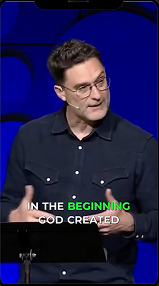
Clip Settings
Genesis
John 3:16
Psalm 23
Philippians 4:13
Proverbs 3:5
Romans 8:28
Matthew 5:16
Luke 6:31
Mark 12:30

 Click to upload
You can upgrade to a paid plan to set your clip settings

Cancellation
We’re sorry to see you end your subscription
Could you let us know why so that we can improve our ministry?
Create a new chatbot from a video of your church service

From Accurate to Adequate: Confessing Christ with Humility
by Crossland Community Church  on Jan 25, 2026
From Accurate to Adequate: Confessing Christ with Humility
Devotional
Day 1: Moving From an Accurate to an Adequate Confession
It is one thing to know the facts about Jesus, but it is another to let those facts transform your life. You may recognize that He is the Son of God, yet still hold onto your own agenda and desires. An accurate confession identifies who He is, but an adequate confession understands what His mission requires of you. When you move beyond just words, you begin to see how His sacrifice demands a response of total surrender. This shift is where true faith begins to take root in the heart. [37:35]
Once when Jesus was praying in private and his disciples were with him, he asked them, “Who do the crowds say I am?” They replied, “Some say John the Baptist; others say Elijah; and still others, that one of the prophets of long ago has come back to life.” “But what about you?” he asked. “Who do you say I am?” Peter answered, “God’s Messiah.” (Luke 9:18-20)
Reflection: When you consider your own confession of faith, what is one area where your head knows the truth about Jesus, but your heart is still struggling to let that truth change your daily actions?
Day 2: The Daily Call to Deny Self and Follow
Following Jesus is not a one-time decision but a daily commitment to set aside your own will. To take up your cross means to embrace a life where your personal ambitions are secondary to His kingdom. It is a call to die to your own way of doing things so that His life can shine through you. This path requires a constant yielding of your rights and a willingness to walk where He leads. By losing your life for His sake, you actually find the abundant life He promised. [45:20]
Then he said to them all: “Whoever wants to be my disciple must deny themselves and take up their cross daily and follow me. For whoever wants to save their life will lose it, but whoever loses their life for me will save it.” (Luke 9:23-24)
Reflection: What is one specific "right" or personal agenda you find yourself clinging to this week, and how might Jesus be inviting you to lay it down to follow Him more closely?
Day 3: Beholding the Glory and Listening to the Son
On the mountaintop, the true nature of Jesus was revealed in a flash of lightning and glorious splendor. This moment was not just for show; it was a divine confirmation that He is the fulfillment of all God’s promises. While it is tempting to want to stay in those high moments of spiritual clarity, the Father’s instruction is simple: listen to Him. Hearing His voice requires you to quiet the noise of your own opinions and expectations. When you truly listen, you gain the certainty needed to follow Him back down into the valley. [54:17]
While he was speaking, a cloud appeared and covered them, and they were afraid as they entered the cloud. A voice came from the cloud, saying, “This is my Son, whom I have chosen; listen to him.” (Luke 9:34-35)
Reflection: In the midst of your busy schedule, what is one practical way you can create a quiet space this week to truly listen to what Jesus is saying to you through His Word?
Day 4: Discovering True Greatness Through the Path of Humility
The world often measures greatness by status, power, and how many people serve us. However, Jesus flips this perspective by teaching that the least among us is actually the greatest. True greatness is found in the quiet acts of service and the willingness to be last so that others can be first. This radical humility is not a sign of weakness but a reflection of the heart of the Messiah. When you choose to serve without seeking recognition, you are modeling your life after the one who gave everything. [01:06:31]
An argument started among the disciples as to which of them would be the greatest. Jesus, knowing their thoughts, took a little child and had him stand beside him. Then he said to them, “Whoever welcomes this little child in my name welcomes me; and whoever welcomes me welcomes the one who sent me. For it is the one who is least among you all who is the greatest.” (Luke 9:46-48)
Reflection: Think of a relationship or environment where you usually feel the need to be "right" or "first." How could you intentionally choose to be "least" in that space this week?
Day 5: Adopting the Humble Mindset and Heart of Christ
Having an adequate confession of faith means allowing the very mindset of Jesus to take root in your relationships. He did not use His divine status for His own advantage but instead took on the nature of a servant. This journey of obedience led Him all the way to the cross for the sake of others. You are invited to walk this same path, putting aside pride to embrace a life of sacrificial love. As you clothe yourself in His humility, you experience the radical change that only He can produce. [01:08:55]
In your relationships with one another, have the same mindset as Christ Jesus: Who, being in very nature God, did not consider equality with God something to be used to his own advantage; rather, he made himself nothing by taking the very nature of a servant, being made in human likeness. And being found in appearance as a man, he humbled himself by becoming obedient to death—even death on a cross! (Philippians 2:5-8)
Reflection: As you look at the week ahead, who is one person in your life that you could "out-serve" or show radical humility toward, and what would that look like in practice?
Sermon Summary
Luke’s narrative is cast as a summons from evidence to response: the miracles, teaching, and power of Jesus are enough to establish who he is, but not always enough to change who his followers are. Using a citizenship analogy, the logic is that possession of a name or status (an accurate confession) can exist without participation in or obedience to the life that status requires (an adequate confession). Peter’s confession—“God’s Messiah”—is true, but incomplete until the disciples grasp the scandal of a suffering Messiah who will be killed and raised. Jesus reorients expectation by insisting that discipleship requires denying self and picking up a cross daily, a call to rearrange loyalties so that God’s agenda, not personal agenda, governs life.
The transfiguration functions as revelation and confirmation: Moses and Elijah appear and the Father’s voice validates Jesus as Son and authoritative interpreter of law and prophecy. That vision supplies the fuller data needed for an adequate confession. Yet the story quickly exposes a persistent weakness—disciples who, despite exposure to glory and power, fail to heal a possessed boy. The failure is theological: they focused on delegated power or personal competence instead of sustained dependence on Christ. Jesus rebukes the generation’s unbelief and presses that greatness in God’s kingdom is defined by humility and service, not status or dominance.
The cumulative point is pastoral and practical: true confession of Jesus secures eternal reality but must also produce radical, habitual transformation—humility, servanthood, and the willingness to be last. Philippians 2 is offered as the posture required: the incarnation, obedience to death, and servant-hearted humility become the pattern Christians must emulate. Certainty about Christ’s identity is not merely an intellectual assent; it is the ground for daily dying to self and living for others in the rhythm of gospel discipleship.
Key Takeaways
- 1. Confess Christ accurately and adequately An accurate confession names Jesus as Messiah; an adequate confession apprehends what that title demands. Adequacy attends to the suffering, the cross, and the call to follow—so belief moves from assent into reshaping commitments and choices. Without that enlarged understanding, confession remains informational, not transformational. [36:39]
- 2. Pick up the cross daily Taking up the cross is not a one-time badge but a daily reorientation of desires and plans toward God’s agenda. It means surrendering the script of self-preservation and embracing a cruciform life that values others above immediate comforts. The discipline is practical: decisions, priorities, and posture must reflect dying to self. [43:09]
- 3. Transfiguration confirms Jesus' identity The mountaintop vision with Moses and Elijah and the Father’s voice supplies indisputable testimony: Jesus fulfills law and prophets and stands at the center of God’s plan. This revelation deepens confession from title to encounter—seeing his glory roots faith in who he is, not merely what he does. It shapes courage to follow into the valley where suffering and service await. [49:37]
- 4. Humility defines true Christian greatness Greatness in the kingdom inverts worldly measures: the least who serves most is greatest. Humility here is theological action—modeling the Son who emptied himself—and it governs both public leadership and private relationships. Practically, it reshapes ambition, conflict, and community so that service, not status, orders life. [67:51]
Youtube Chapters
- [00:00] - Welcome
- [28:32] - Opening & Context
- [29:01] - Citizenship Analogy
- [36:39] - Examples vs. Adequate Confession
- [39:11] - Peter’s Confession: Messiah
- [43:09] - Take Up Your Cross Daily
- [49:37] - Transfiguration: Glory Revealed
- [56:36] - Healing the Boy / Disciples' Failure
- [67:51] - Humility as True Greatness
- [68:16] - Philippians & Closing Prayer
Bible Study Guide
Luke 9:18-48
Philippians 2:5-8
Observation questions
- In Luke 9:23, Jesus gives a specific command to anyone who wants to be his disciple. What are the three distinct actions he requires in this verse?
- The sermon uses an analogy about citizenship to explain our faith. What is the difference described between simply being a citizen of a country versus being an active, functional citizen, and how does this relate to our confession of Christ? [29:45]
- During the Transfiguration in Luke 9:35, a voice comes from the cloud speaking to Peter, James, and John. What specific instruction does the Father give the disciples regarding Jesus? [53:39]
- According to Philippians 2:5-8, what mindset or attitude should believers have in their relationships with one another?
Interpretation questions
- Peter correctly identifies Jesus as "God's Messiah," yet Jesus immediately warns them not to tell anyone and begins teaching about his suffering and death. Why was Peter’s accurate confession still considered "inadequate" or incomplete at that moment? [42:56]
- Jesus commands his followers to "take up their cross daily." The sermon clarifies that this is not just about dealing with a difficult relative or a hard situation. What does the cross actually represent in this context, and why is it significant that this must be a daily action? [44:22]
- The disciples failed to heal the possessed boy while Jesus was on the mountain. The sermon suggests this failure wasn't because they lacked authority, but because of where their focus was. What does this incident reveal about the difference between relying on personal competence versus sustained dependence on Christ? [57:25]
- In Luke 9:46-48, the disciples argue about who is the greatest immediately after Jesus predicts his betrayal. How does Jesus’ use of a child to define greatness completely invert the world's standard of power, status, and leadership? [01:04:23]
Application questions
- An accurate confession names Jesus as Lord, but an adequate confession results in radical life change. It is easy to have the right information without the right transformation. In what specific area of your life (finances, relationships, private habits) is your confession currently more "informational" than "transformational"? [46:15]
- Taking up the cross means surrendering the script of self-preservation and personal agenda to follow God's plan. What is one specific "personal agenda" or desire you find difficult to deny yourself of this week in order to follow Jesus more closely? [45:03]
- The mountaintop experience was meant to give the disciples certainty of Jesus' identity to carry them through the valley of ministry and suffering. When you face "valley moments" of doubt or difficulty, what past evidences of God’s power or goodness do you look back on to sustain your faith? [54:39]
- True greatness in the Kingdom is defined by humility and serving those who can offer nothing in return. Who is someone in your life right now that the world might consider "least," and how can you intentionally serve or welcome them this week? [01:06:31]
- We are called to have the same mindset as Christ, who did not consider his status something to be used for his own advantage. In your current relationships (marriage, work, friendships), are you using your position to get your way, or are you looking for ways to "make yourself nothing" to lift others up? [01:08:16]
Sermon Clips
And I think that we can agree that there is a difference between being a citizen of something or a member of something and an active citizen or an active member or a law abiding citizen of a community or of our country. Take United States, for example. You can live here. No doubt about it. You can live here and be a citizen and not obey the laws. You can totally do that. [00:29:31] (34 seconds)
And I think that we can agree that there is a difference between being a citizen of something or a member of something and an active citizen or an active member or a law abiding citizen of a community or of our country. Take United States, for example. You can live here. No doubt about it. You can live here and be a citizen and not obey the laws. You can totally do that. [00:29:31] (34 seconds) #LiveOutYourFaith
But you have to remember that in this time, the disciples had this preconceived idea of who the Messiah would be. The Messiah, for them, would be the one to come and release them from captivity of Rome. The Messiah would be someone who would come and release them, and then they would rise up and reign with the Messiah over everyone. They would be the elite group of people. [00:40:29] (28 seconds)
But you have to remember that in this time, the disciples had this preconceived idea of who the Messiah would be. The Messiah, for them, would be the one to come and release them from captivity of Rome. The Messiah would be someone who would come and release them, and then they would rise up and reign with the Messiah over everyone. They would be the elite group of people. [00:40:29] (28 seconds) #FocusOnJesusNotPower
Jesus speaking about this because there's a purpose to it. Hey, the Messiah is here. I am the Messiah. Good job, Peter. You you that's a great confession. But do you know what it really means? Here's what it means to be the Messiah. I'm the one who's come to suffer many things. I'm the one who's come to be rejected by the elders and the chief priests. I'm the one who has come to to die, to be killed. [00:42:08] (30 seconds) #MessiahWillSuffer
I think a lot of times we we've taken out of context what take up your cross actually means. I've heard it before that I've heard a wife say it before about a husband who loves football and hangs out in his garage all the time, and she says, oh, he's just my cross to bear. I'm pretty sure you've probably heard someone say that before, and if you're looking at each other right now at home, stop doing that. [00:43:19] (26 seconds)
I think a lot of times we we've taken out of context what take up your cross actually means. I've heard it before that I've heard a wife say it before about a husband who loves football and hangs out in his garage all the time, and she says, oh, he's just my cross to bear. I'm pretty sure you've probably heard someone say that before, and if you're looking at each other right now at home, stop doing that. [00:43:19] (26 seconds)
We have to realize what the cross really is. It's an execution device. It's a means of punishment and death. And what Jesus is saying here is if you want to be my disciple, number one, deny yourself. Deny yourself of your agenda, your wants, your desires, and pick up your cross daily. [00:44:02] (31 seconds)
We have to realize what the cross really is. It's an execution device. It's a means of punishment and death. And what Jesus is saying here is if you want to be my disciple, number one, deny yourself. Deny yourself of your agenda, your wants, your desires, and pick up your cross daily. [00:44:02] (31 seconds) #PickUpYourCrossDaily
The Romans would have prisoners. They'd have people that they're about to crucify carry their own cross. We know our savior did that and carried it all the way up to Golgotha. And what Jesus is saying is, pick up your cross and follow me to Golgotha and die with me. Not in the sense that you should be a martyr, but in a sense that your agenda and your wants and your desires will now be second to following Christ. [00:44:33] (32 seconds) #FollowingMeansSacrifice
Follow me. What's it mean to follow? It means to deny yourself. It means to take up the cross. It means to daily pick up this cross and follow him. For whoever wants to save their life will lose it, but whoever loses their life for me will save it. Our adequate confession that you and I are able to make now because because we have all the details. [00:45:06] (30 seconds) #ExpectationsOfTheMessiah
Follow me. What's it mean to follow? It means to deny yourself. It means to take up the cross. It means to daily pick up this cross and follow him. For whoever wants to save their life will lose it, but whoever loses their life for me will save it. Our adequate confession that you and I are able to make now because because we have all the details. [00:45:06] (30 seconds)
But our adequate confession should, will, absolutely must produce radical change in our life. And what does radical change look like? Well, it looks like living unlike the world. It looks like being in the world, but not of the world. Radical change means that you're second, and he's first. Radical change is in your marriage, you out serve one another. [00:46:41] (31 seconds) #RadicalLifeChange
But our adequate confession should, will, absolutely must produce radical change in our life. And what does radical change look like? Well, it looks like living unlike the world. It looks like being in the world, but not of the world. Radical change means that you're second, and he's first. Radical change is in your marriage, you out serve one another. [00:46:41] (31 seconds)
But it should also, must also, will also, you can believe it will as a guarantee that when you confess it and you believe it, you know, when we baptize someone, it's absolutely convinced. When you're convinced, it's not just I spoke it and okay, cool. I think it's real. No. It's you're absolutely convinced. That means every bit of your life now changes because of that revelation that you've had, and it has to lead to radical change in our life. [00:47:52] (31 seconds) #FulfillLawAndProphets
And what Jesus is is showing those three, Peter, James, and John in this moment, is that he is about to fulfill the law and the prophets. They spoke about his departure, which he was about to bring to fulfillment. Jesus is showing something to those three that is undeniable. Listen. You made a confession about me. Yes. You're accurate. But it needs to be an appropriate enough confession of who I am, an adequate confession, and you need to know what it really means that I am God's Messiah. [00:50:16] (47 seconds) #BindUpTheBrokenhearted
And what Jesus is is showing those three, Peter, James, and John in this moment, is that he is about to fulfill the law and the prophets. They spoke about his departure, which he was about to bring to fulfillment. Jesus is showing something to those three that is undeniable. Listen. You made a confession about me. Yes. You're accurate. But it needs to be an appropriate enough confession of who I am, an adequate confession, and you need to know what it really means that I am God's Messiah. [00:50:16] (47 seconds)
Our adequate confession of Christ is grounded in what we just saw right there. The certainty of who Jesus is. The certainty of who he is. He is the Christ. He is the Messiah, and we watch that scene play out as if and if we were there, I wonder what we would think. And I I know that now I can read that, and I can think, I would believe with every bit of who I am that he's not just God's messiah. He is God himself. [00:54:32] (38 seconds) #ChristIsLord
This isn't this isn't like like the world would say, if you're not first, you're last. Right? This is whoever is least among you, whoever serves the most, whoever gives the most, whoever whoever lifts up and exalts and encourages the most, that's the person who's gonna be greatest. We all know someone in our life that's just like that, that they just spend every moment of their life serving and serving and serving. And I would encourage you to model your life after that, that the least among you will be the greatest. [01:06:15] (34 seconds) #LeastBecomesGreatest
He tells us he came to give life and life more abundant, life to the most. What does life to the most, life more abundant look like? Deny yourself. Humble yourself. Clothe yourself in humility. Shoulder your cross daily and follow him and experience the life that Christ has for you, that radical experience of life. [01:09:29] (29 seconds) #LifeMoreAbundant
Well, welcome in, everyone. Welcome to Crossland Community Church. We're a community of refuge and hope for all people. If you're seeing this, we did, in fact, receive the snow that was promised to us, the snow and the ice, and we pray that you are safe in your homes. We pray that you have power. We pray that you are taken care of in this time. And we're so excited that you've tuned in today to this message. I'm so excited to give this to you. This is my name is Ross Anglin. I'm the campus pastor of our Glasgow campus, and welcome in. So glad that you're here.
As I was preparing for this message today, I had a I just wanted to come up with a great illustration for you of what truly the point was trying to come across or that Luke was trying to make in this set of passages. And I started thinking about what is happening currently in Minnesota and and with citizenship and and all of that. And we pray for the churches in Minnesota. We pray for the the church that had the people come into it. We we're praying for them, and we're I'm thankful for the pastor who stood up and said, this is this is for Jesus. We're here to worship Jesus, and that he is the cure for all of what is happening there.
But I started thinking about citizenship and and what that means. And I think that we can agree that there is a difference between being a citizen of something or a member of something and an active citizen or an active member or a law-abiding citizen of a community or of our country. Take the United States, for example. You can live here. No doubt about it. You can live here and be a citizen and not obey the laws. You can totally do that. It probably will not go well for you, but you can do that. Absolutely. But you're not a functional part of the community. You're not a functional part of the citizenship.
But you can also live here and understand that there are guidelines, there are regulations, there are laws in place to keep the community going, to keep the citizenship going and and functioning healthily. Some of those things, those laws, I got to thinking, you know, one of those is it's coming up very soon. We probably have it in the next month or so. You're probably already working on it right now. Taxes. Right? Everyone that is a citizen of the United States should and will pay taxes. You'll pay them on the state level, the the local level. You'll pay them on the national level, the federal level. Right? There's two constants in life that you you're gonna kick the bucket. Right? We'll die. We'll kick the bucket, and you're gonna pay taxes on the bucket. And that's the two constants in life. That's a joke I've heard for a long time, it's true.
As a functioning citizen, we should pay taxes. Right? We should obey traffic laws. It keeps civilization running correctly. We should, and this is something that I've I've experienced several times, we should, especially on a local level, serve jury duty. And I I I feel like I am the only person who lives in Barron County. I receive a letter pretty much every three months. They send a letter that I have jury duty, and somehow I've gotta fix that. But we should serve on some level of the judicial system. We serve that. That keeps civilization running correctly. It's the part of our great nation that we live in. Those are things that we have to do.
But there are also, from those regulations, there are there are great benefits to to living here in the United States. Wonderful benefits to living here. We're free. We have amendments that say there are amendments to our constitution that say that we have free speech, that we can say whatever we want to whoever we want whenever we want. That there's laws to that. Right? But we're free to do that. We're we're free to bear arms. We're free to we have so many freedoms here. A a huge freedom that we take for granted so many times is and, you know, I had a I have grandparents that never exercised their freedom of travel. I don't know if we actually realize how wonderful the freedom of travel is, that if you have a driver's license you can do it without one. You'll just have to be on a Greyhound bus with a bunch of stinky people. Not that Greyhound people are stinky, but you can do it with a driver's license. If you pass the test, right, if you put in the correct paperwork, then you can have a driver's license that today, right now, in your home, I wouldn't do it while it's snowing outside, but you could make the decision based on if you have the money and you have the time, I'm gonna get in my car, and I'm gonna make a trip from Kentucky to Los Angeles, California. You can do that if you want to. You have the freedom to do that. We can travel from sea to shining sea. Right? Atlantic to Pacific, from Maine to Key West, Florida. We can travel wherever we want, and no traffic laws, right, as long as you you yield for construction zones, no one can stop you. No one should stop you. That's your freedom. That's your right. You can do that. There's no other country in the world that has that, that you can travel across state lines and never be stopped. You have a right to do it because you live in the great nation of the United States.
And as I thought about today's message, I started realizing that there are certain regulations. There are certain things that we know about our faith and about our walk, about discipleship, but there are several things that we, as Christians, we don't exercise those rights. We don't fully understand what it means. We we make a confession, and then we try to figure it out as we go. But a lot of times, we leave stuff out. And today, in this group of of passages, Luke wants to bring this to the surface. We've been walking through the book of Luke that we're in the public ministry of Jesus. The message series is called Going Public, and it's all about the public ministry of Jesus. And what we've seen is he has he has declared himself. He's read from Isaiah 61, which you just heard just a moment ago, and I'm gonna I'm gonna allude to that in just a moment as well, that he was here to unbind the the captive, to heal the brokenhearted. He's performed miracles upon miracles. We see him healing people. We see him walking on the water. We see all of these wonderful miracles. And right before chapter nine, where we're gonna be primarily today, we see that Jesus feeds 5,000 people, massive miracle, huge miracle. And all of these miracles, they add up and add up, and Luke wants to bring it to a point right here because he's writing to Theophilus. He wants Theophilus to be certain in what in what he's hearing of the events that happened so that he is certain of who Jesus is, and then he brings us to the first passage.
Here's the big idea of today, the examples of Christ, what I just spoke about, the examples of Christ, all of the miracles, all of the things that he did and said, and people he healed, the examples of Christ, they they provide the examples he provided are enough. They're absolutely enough to produce an accurate confession. They will produce an accurate confession based on who he what he did, we can produce an accurate confession of Christ. But a lot of times, most times for believers, it's often an inadequate confession. It's accurate. It's affirmative. But is it adequate? We confess it, but do we really mean do we really know what it means? Just like the laws we were talking about. You're free. You're you can do whatever you want. You live in the nation. What does that mean? I need to know what that means to truly be free in this nation. Those examples provide a we can have an accurate confession of who Jesus is. But oftentimes, it is inaccurate. But that doesn't have to be that way for us, and we're gonna see that as we jump into scripture today.
So we're in Luke nine, and I'm gonna start, I believe, at verse 18, and it says this, "Once when Jesus was praying in private, his disciples were with him, and he asked them, 'Who do the crowds say that I am?'" Who does everybody out there, fellas, guys and gals, who does what do they who do they say that I am based on all that I've done, all the examples that I've given? And they replied, "Some say John the Baptist." This Herod thought this. Herod was confused. He thought, how did John the Baptist come back to life? Because I unalived him and served his head on a platter. Right? "Some say John the Baptist, that you came back to life and you're John the Baptist. Others say Elijah." We all know what Elijah did. Elijah, he didn't die. He went to heaven in a fiery chariot. Right? So he's returned, and still others that one of the prophets of long ago has come back to life.
And then Jesus asks probably the most important question, and really this is what Luke wanted us to see, that all of the examples of Christ leading up to this point, we can make some confession of who we think Christ is. And based on those examples, Peter makes a confession. "What about you? Who do you say that I am?" And Peter answered, "God's Messiah." Was it accurate? Absolutely. Hit hit the bull's eye with it. But did he know what it meant? Do we know what it meant? We have details now that Peter didn't have. So we can make an even more accurate and affirmative and adequate confession. And Peter says, "Based on everything I've seen and heard, you're God's Messiah, God's chosen one, God's anointed one. That's who you are."
And then Jesus strictly warned them, "Do not tell anyone." Why? Why did he say that? In the book of John, I believe, directly after he in one of the gospels, I think it's the it may be Matthew. Right after he feeds the 5,000, the people, he goes off because he he goes into hiding because he knows the people want to make him king. They wanna put a crown on his head and make him king. Now, will Jesus be the king? Yes. Absolutely. But you have to remember that in this time, the disciples had this preconceived idea of who the Messiah would be. The Messiah, for them, would be the one to come and release them from captivity of Rome. The Messiah would be someone who would come and release them, and then they would rise up and reign with the Messiah over everyone. They would be the elite group of people. That's what they thought.
And we see that in in this next group of scripture. We see that this is not what they expected. He said strictly, "Don't tell anybody about this." And he said, "The Son of Man must suffer many things and be rejected by the elders, the chief priests, and the teachers of the law. And he must be killed, and on the third day, be raised to life." Who wants to serve a dead leader? Who wants to crown a dead person king? And so we we find I believe this is actually in the book of John that he he actually tells this and says that Peter then rebukes Jesus and says, "No. That can't be. This isn't gonna happen." What does Jesus say? He says, "Get behind me, Satan. I'm on my way to the cross." And what we're gonna see after this chapter, truly, the rest of of Luke is is is clothed, covered in death. Jesus speaking about this because there's a purpose to it. Hey, the Messiah is here. I am the Messiah. Good job, Peter. You you that's a great confession. But do you know what it really means? Here's what it means to be the Messiah. I'm the one who's come to suffer many things. I'm the one who's come to be rejected by the elders and the chief priests. I'm the one who has come to to die, to be killed. And on the third day, I will come back to life. I will return on the third day. And that's what it means to be the Messiah. Peter didn't understand that. Remember, he made an accurate confession. Accurate. But was it enough? Was it enough? Was his confession enough? Was it adequate? No. No. He didn't have all the details.
So let's read on. "Then he said to them all, 'Whoever wants to be my disciple must deny themselves and take up their cross daily and follow me.'" I think a lot of times we we've taken out of context what "take up your cross" actually means. I've heard it before that I've heard a wife say it before about a husband who loves football and hangs out in his garage all the time, and she says, "Oh, he's just my cross to bear." I'm pretty sure you've probably heard someone say that before, and if you're looking at each other right now at home, stop doing that. Don't point fingers. But I've heard it said so many times and what a horrible representation that is. I've heard it said about mothers-in-law, not my mother-in-law. I'd never say that about my mother-in-law. "They're just my cross to bear." That's not at all what that means. We have to realize what the cross really is. It's an execution device. It's a means of punishment and death. And what Jesus is saying here is if you want to be my disciple, number one, deny yourself. Deny yourself of your agenda, your wants, your desires, and pick up your cross daily. The Romans would have prisoners. They'd have people that they're about to crucify carry their own cross. We know our Savior did that and carried it all the way up to Golgotha. And what Jesus is saying is, pick up your cross and follow me to Golgotha and die with me. Not in the sense that you should be a martyr, but in a sense that your agenda and your wants and your desires will now be second to following Christ. Follow me. What's it mean to follow? It means to deny yourself. It means to take up the cross. It means to daily pick up this cross and follow him.
"For whoever wants to save their life will lose it, but whoever loses their life for me will save it." Our adequate confession that you and I are able to make now because because we have all the details. Remember, up to this point, Peter was just going off of what he knew. I've seen it. I've heard it. I've I've seen enough evidence that I can draw a conclusion that you are God's Messiah, but you and I, from scripture, right, from the Bible, we're able to draw an even better conclusion. We have so much more evidence than Peter had, and so our confession should be adequate. It should be accurate. No doubt about it. He is God's Messiah, but it also should be adequate.
And here's what it comes from. Our adequate confession of Christ not only gives us certainty for eternity, 100% an accurate confession of Christ will give you certainty of eternity. An accurate one will. Yeah. He's the Son of God. I believe it in my heart, and I've spoke it with my mouth that Jesus Christ raised himself from the dead. That's Romans 10:9. 100% gives us certainty over eternity. But our adequate confession should, will, absolutely must produce radical change in our life. And what does radical change look like? Well, it looks like living unlike the world. It looks like being in the world, but not of the world. Radical change means that you're second, and he's first. Radical change is in your marriage, you out serve one another. Radical change is in in parenting your kids. You you some you you serve them. You humble yourself and and get below them, and you serve them through teaching them. Parents to children and children to parents. Radical change, honestly, means humility, which is a word that we don't practice much. But that's what it means, and our adequate confession will absolutely make us certain of what our eternity looks like, that we will be in heaven if we confess Christ. If we deny Christ, we know we will be in hell. Okay? But it should also, must also, will also, you can believe it will as a guarantee that when you confess it and you believe it, you know, when we baptize someone, it's absolutely convinced. When you're convinced, it's not just I spoke it and okay, cool. I think it's real. No. It's you're absolutely convinced. That means every bit of your life now changes because of that revelation that you've had, and it has to lead to radical change in our life. Peter didn't have those details, but we do have those details. And now we have the opportunity to make an adequate, not just accurate, adequate confession that ultimately leads to life change.
Soon after that, about eight days after, according to the book of Luke, about eight days after that happened, Jesus takes Peter, James, and John. He handpicks them and says, "Follow me," and they walk up a mountain. Just so you know, anywhere in scripture, when you see a mountain, something important is about to happen. Something big is about to go down, and you should pay attention. You should perk up and listen because something big is about to happen, and Jesus is about to reveal something to those three that they need to know so that they can make not just accurate, but an adequate confession of Jesus. And we get this detail. It's so wonderful. As he was praying, they get to the mountaintop. Jesus starts praying. The appearance of his face changed, and his clothes became as bright as a flash of lightning. Just imagine that. Two men, Moses and Elijah, appeared in glorious splendor talking with Jesus. Just consider what you're hearing for just a moment. They're on the mountaintop. Jesus starts praying. All of a sudden, he becomes like light. It's just a flash of light. It's huge. And two men appear. And these two men are not just two random men from scripture. Moses, who is he? He's the law bringer. Right? He brought the law. Elijah, one of the great prophets. And what Jesus is is showing those three, Peter, James, and John in this moment, is that he is about to fulfill the law and the prophets. They spoke about his departure, which he was about to bring to fulfillment. Jesus is showing something to those three that is undeniable. Listen. You made a confession about me. Yes. You're accurate. But it needs to be an appropriate enough confession of who I am, an adequate confession, and you need to know what it really means that I am God's Messiah. Spoke about his departure, about what he's about to bring to fulfillment at Jerusalem.
Peter and his companions were very sleepy. How could you sleep through this? Apparently, they were sleeping while Jesus prayed. Okay. I I'm just I'm just a poor old country boy, so I'm just putting two and two together here. Okay? They were sleeping while he prayed, but when they became fully awake, they saw his glory and the two men two men standing with him. So they wake up. Could you imagine them looking and what? What is happening right now? As the men were leaving, so they finished their conversation. As they were leaving Jesus, Peter said to him, "Master, it's good for us to be here. It's good for us to be here." This is his opinion. This is made a confession about you, and you know what? I'm here with you, and this is really good for us to be here. Let's put up three shelters. And this could have been during the Feast of Tabernacles, and all of the Jewish people would live in these tents, and it's just a a really neat thing. And so it could have been that he was thinking that. Put up three shelters, one for you, one for Moses, and one for Elijah. And I love this line. I love that Luke put this in here. He said, "He did not know what he was saying." You ever you ever said something before you thought about it? This is one of those moments where he just, whoa. This is amazing. Jesus, let me build a couple of shelters, and we can just be up here forever. I think I know this feeling. I know this feeling. Every vacation I've ever been on, there's at least been one moment where I sit back and I look around and I say, "What if I never went home?" Right? You've probably had it as well. What if I what would it look like to live here? This is really nice. Right? It's probably what he was thinking.
But what happens next is amazing. It not only it not only makes the confession that Peter had and made more accurate, but I believe it affirms it even more. While he was speaking, while Peter was speaking, a cloud appeared and covered them, and they were afraid as they entered the cloud, as we would be. A voice came from the cloud saying, and this is this sounds just like his baptism. A voice came from the cloud saying, "This is my Son whom I have chosen. Listen to him." When my grandpa, when he would say, "Listen, grandson," I would I would listen. Right? My dad said, "Listen." I would listen. This is Father God. This is the Almighty speaking directly to Peter, James, and John, and he says, "This is my Son. You need to open your ears, you knucklehead. Listen to him. Realize what you just saw. Realize what you just experienced. This not only will will will make an accurate confession for you, but it'll be adequate because you know who he is now."
Our adequate confession of Christ is grounded in what we just saw right there. The certainty of who Jesus is. The certainty of who he is. He is the Christ. He is the Messiah, and we watch that scene play out as if and if we were there, I wonder what we would think. And I I know that now I can read that, and I can think, I would believe with every bit of who I am that he's not just God's Messiah. He is God himself. This is God in the flesh that he had had conversations with our two greatest heroes, Moses and Elijah, and they were consulting him. They were talking to him, and he's shown in all of his glory, not them. This is our Messiah. He is above. He's more than we thought. Right? Our confession can now be in that because we have those details. Peter didn't have that detail. He just experienced it. Jesus is who he says he is. All right? So our our adequate confession, not just accurate, but adequate, it's enough. We know. We know that we know that we know, and it's enough to bring about radical life change in ourselves and that we can take up our cross and follow after him. Right? It's grounded in who Jesus Christ is.
They come down from the mountain. All right? And we're just kinda walking through this. I'm kinda skipping over some some narrative here. They come down the mountain, and and as they come down, they about a day later, it says in Luke, they they the crowd comes to them, the other disciples are there, and there's a father who has a child who is possessed, who's convulsing and foaming at the mouth. And here's what the father says. I'd love for you to read it. It's it's about halfway through chapter nine. He says, "I I would love for you to heal my son. I need you to heal my son. I asked your followers to do this, but they were unable to do it." And if you jump back about one chapter, you see that Jesus gave all authority and power to the disciples to go out and cast out demons, to go and heal the sick. He gave that to them, and now Jesus comes down from the mountain, and they can't do it. They've tried to do it, but they were incapable of doing it. What's missing? What's missing? They didn't rip they didn't focus on Jesus and who he is. They thought they had the power to do it, and Jesus gave them the power. They didn't recognize that he's the power. I need the power. I need Jesus. I need to keep my eyes focused on him, and then I can go about my business. They focused on their power, and they were incapable of healing this young man, and that's where we pick up.
Jesus hears this, and here's what he says, "You unbelieving and perverse generation." This word does not mean pervert. It means twisted. You've got it all wrong. You're not listening. The father just told you to listen. I'm God's Messiah, and I am not who you thought I was. You unbelieving, you you backwards, twisted generation. Jesus replied, "How long shall I stay with you and put up with you?" Gosh, I I I feel for Jesus right there. "Bring your son here," he says. "Even while the boy was coming, the demon threw him to the ground in a convulsion. But Jesus rebuked the impure spirit." He has the power. It's him. It's all about Jesus. It's not about us. It's about him. He rebuked the impure spirit, healed the boy. There's two miracles right here. This is beautiful. Don't miss this. He healed the boy. So it's one thing for the boy to be healed. He's no longer convulsing. He's no longer foaming at the mouth. And then he gave him back to his father. I don't know about you, but if you have kids, you know how important that would be for that father to have his son back. To be able to hold him in your arms and him not convulse and foam at the mouth. The relief that would come, the joy that would come to that father to be able to scoop his son back up and to and to love him and hold him again. He was so broken, and now the boy's healed. There's two miracles, the boy and the father. And they were all amazed at the greatness of God.
Now the three that were on the mountain, I'm sure that they saw this and I'm sure they were thinking, we just we just witnessed something amazing. We didn't just witness a miracle here, but we witnessed who he really is on the mountain. And you would think, you would think by experiencing those two things alone that Jesus in his transfiguration was shown as real, this is who he really is. And you would think as he came down the mountain, this mighty, righteous God who comes down the mountain and then in his not just in his greatness on the mountain, but in his goodness in the valley, heals this boy and gives him back to his father. You would think that at that moment they would go, "I think we're grabbing onto it. I think we're understanding. I think I think we're picking up what's gonna make this an adequate confession, not just accurate, adequate confession."
While everyone was marveling at Jesus, at all that Jesus did, he said to his disciples, "Listen carefully what I am about to tell you. Listen, son. Listen, grandson." I can just hear my grandpa. "Listen carefully what I am about to tell you. The Son of Man is going to be delivered into the hands of men." I just wanna I just wanna camp there for just one second how important it is to understand their preconceived ideas of who the Messiah was gonna be, that he would come and he would release them from the bondage and and oppression of Rome. Right? That's what they viewed it as. But but we read in Isaiah like we just heard just a moment ago. And I think I think what they were so excited about is he he sent me to bind up the brokenhearted. They would get behind it. Bind up the brokenhearted. Yes. I came I came to proclaim freedom for the captives. Yeah. We can get behind that freedom for the captives to release the prisoners from their darkness. Yeah. We we're all in Jesus. And then he says, "And to die." And they're all like, that that's not what we thought you were gonna do. It's like, you're not listening. You're not listening. It's always been this way. This was always God's plan. "The Son of Man is gonna be delivered into the hands of men." But they did not understand what this meant. Even after all of that, they did not understand what this meant. It was hidden from them so that they did they did not grasp it. I believe at some point in time, they did understand, and that's where we get most of the New Testament because it was a giant revelation for them. Wow. That's what he meant. So they did not grasp it, and they were afraid to ask him about it. They just okay. Well, I guess we should have. I should we should know, I guess. They didn't wanna ask him.
They made an accurate confession. Peter made, for example, made an accurate confession, but it was not adequate. They didn't quite understand what that meant. Luke goes on in the next couple stanzas of verses, and he gives some examples. Whether these happen directly after one another, I'm not sure. It could have been a day or so, but he he gives these little examples of the abrasion of the accurate versus the adequate confession, that they understood who he was, that there was power and authority there, but they didn't quite understand the Messiah was gonna go die. The Messiah was going to the cross. From this point on, Jesus' eyes were set on the cross, set on Jerusalem. He was going there, and there's this abrasion in these next couple verses. I would encourage you to go and read that, and even the first bit of chapter 10, an argument. I mean, we saw we have the examples. We saw what just happened. We saw the feeding of the 5,000. We saw the miracles. We saw his transfiguration, who he really is. We saw him heal the boy and give him back to his father. An argument started among the disciples as to which of them would be greatest. Jesus, knowing their thoughts, took a little child and had him stand beside him. In this in this time, just so you know, it was a waste of time to spend time with a little child. Time with a child was wasted time that you should have spent on learning about the Lord. And what Jesus does is he flips that completely as a complete radical teaching and he brings a little child to him and he says, "Whoever welcomes this little child in my name welcomes me. And not just me, whoever welcomes me welcomes the one who sent me, the one you heard his voice. For it's the one who is least among you, who is the greatest."
And if you read on, there's another set of scripture where James they were they're going to Jerusalem, and they they're about to go through Samaria, and Samaria doesn't want them there. They say, "No. No. No. You're not coming here." And James and and John look at Jesus, the sons of thunder, and say, "Should we call down thunder and lightning? Should we call down destruction upon them and destroy this village?" And Jesus rebukes them. He's you're not getting it. You're not understanding. You've made an accurate confession of my power and my authority, but an adequate confession of who I am, my humility, and the humility that now must clothe you. You and I now have the opportunity to make that confession. One that says, I know his power and authority, but I also know that Jesus calls me to deny myself, to pick up my cross, not just once in my life, but to daily shoulder my cross and follow him. What does that mean? Continually, I'm the last. I'll be last. You go first. I'll be last. I'll be last. First is last. Right? The last is first. This isn't this isn't like like the world would say, if you're not first, you're last. Right? This is whoever is least among you, whoever serves the most, whoever gives the most, whoever whoever lifts up and exalts and encourages the most, that's the person who's gonna be greatest. We all know someone in our life that's just like that, that they just spend every moment of their life serving and serving and serving. And I would encourage you to model your life after that, that the least among you will be the greatest.
Our adequate confession doesn't just come not just from who Jesus is, but our adequate confession of Christ is based on the certainty of what Jesus came to fulfill. Our adequate confession comes from us knowing who he is and what he did. Who he is and what he came to fulfill. Who he is and what he came to do. Our adequate confession comes from that. And that adequate confession ultimately, yes, it secures our eternity, that accurate confession. But the adequate confession radically changes our lives. What does that look like? You know, when I read that set of scriptures that we just read over, the word that comes to mind, and I said it just a moment ago, is no doubt humility, humility, humbleness. To put yourself last and others first, to seek first his kingdom and his righteousness.
So I wanna read a scripture. This is out of Philippians, and I'm gonna I'm gonna end with this, and then we'll pray. It says this in Philippians two, five. It says, "In your relationships with one another, it's the greatest definition of humility I could find. In your relationships with one another, have the same mindset or attitude as Christ Jesus." And here is what he came for us to learn and model our lives after. This is it. Right here. "But being in the very nature of God did not consider equality with God something to be used or something to be used to his own advantage. Rather, he made himself nothing. We need to take that on. By taking the very nature of a servant, being made in human likeness, and being found in appearance as a man, he humbled himself by becoming obedient to death, even death on the cross."
Brother and sister, we we must make an accurate confession of Jesus. But we must make sure that it's an adequate confession of Jesus. He calls us to so much more. He tells us he came to give life and life more abundant, life to the most. What does life to the most, life more abundant look like? Deny yourself. Humble yourself. Clothe yourself in humility. Shoulder your cross daily and follow him and experience the life that Christ has for you, that radical experience of life. Would you pray with me?
Father, we love you. We are so so grateful for this opportunity that we can read your word, we can listen to your word, we can learn from your word. Truly, you have set before us truth about who you are and truth about what you want from us. Who you are and what you came to do and what you came to fulfill. And today as we read these verses, it just rings true over and over again. The verse that's ringing in my head is to deny myself and to take up my cross and follow you. Put myself second and you first. First. Put myself second and serve those around me. Father, will you help us as we grow in discipleship and grow as your disciples? Help us to deny ourselves and to shoulder our cross. We want to follow you. Father, we pray for protection of all the people that are listening right now, and we thank you so much that you've cared for us and taken care of us. It's in your powerful, almighty name we pray. Amen.
May the God of heaven richly bless each and every one of you. Stay safe. Stay warm. God bless you. See you next Sunday.
Subject: From Accurate to Adequate: Confessing Christ with Humility
Dear Crossland Community Church,
I hope this finds you thinking about how the examples of Christ call us to move from an accurate confession to an adequate one—one that changes the way we live.
Last Sunday we walked through Luke 9 and wrestled with Peter’s honest confession, “You are God’s Messiah,” only to see Jesus show them what that really meant: suffering, rejection, and the cross. We stood on the mountaintop with him in the transfiguration—Moses and Elijah affirming who he is—and then watched him come down into the valley to heal a broken boy, reminding us that his power and his humility go together. The evidence of Christ gives us certainty for eternity, but an adequate confession must produce radical life change: deny yourself, pick up your cross daily, and clothe yourself in humility.
Here’s a plain, practical challenge: this week ask the Lord to show one place where you’re holding your own agenda and then deny it—put someone else first, serve without seeking credit, or swallow your pride and apologize. Practice shouldering your cross daily by choosing one small, tangible way to be “last” in your home or workplace and do it. If you’re wrestling with what it means to confess Christ adequately, reach out—I’d love to walk with you.
Blessings,
Crossland Community Church Team
Login
Check your email
You should receive an email in the next few seconds with a link to sign you in. Be sure to check your spam folder.
Embed link
Add this chatbot onto your site with the embed code below
<iframe frameborder="0" src="https://pastors.ai/sermonWidget/sermon/embracing-gods-call-a-journey-of-faith-and-obedience" width="100%" height="100%" style="height:100vh;"></iframe>Copy
© Pastor.ai