|
Current Plan
|
Pastor
$30per month
|
Team
$100per month
|
|
|---|---|---|---|
| Sermons per month | 4 | 5 | 20 |
| Clips per sermon | 2 | 8 | 20 |
| Admins that can edit sermon pages and sermon clips |  |
1 | 5 |
| Sermons automatically pulled from Youtube and emailed to you | |
by Mon morning | on Sundays |
| Sermon clips translated into any language (example) | |
|
 |
| AI Assistant's website training depth | NA | Crawls your homepage and all pages linked from it |
Crawls your homepage and pages up to two links deep |
| AI Assistant's youTube Sermon Training | NA | Sermons from the past 12 months | Sermons from the past 24 months |
| Max length of videos | 1.5 hours | 2.5 hours | 4 hours |
| Customer support | |
Chat + Zoom calls |
Caption Text

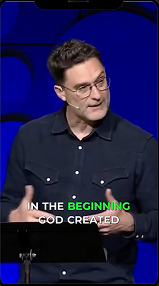
Clip Settings
Genesis
John 3:16
Psalm 23
Philippians 4:13
Proverbs 3:5
Romans 8:28
Matthew 5:16
Luke 6:31
Mark 12:30

 Click to upload
You can upgrade to a paid plan to set your clip settings

Cancellation
We’re sorry to see you end your subscription
Could you let us know why so that we can improve our ministry?
Create a new chatbot from a video of your church service

Expectations Dictate Experience: Faith Removes the Maybes
by Crossland Community Church  on Jan 11, 2026
Expectations Dictate Experience: Faith Removes the Maybes
Devotional
Day 1: Faith: Catalyst for Salvation and Life Transformation
Faith is the powerful catalyst that initiates salvation, drawing us into a relationship with God through grace alone, through faith alone, in Jesus Christ alone. It is not merely an intellectual assent but a confident assurance that unlocks a profound power, changing us not only for eternity but also in our daily lives here on earth. While water baptism does not save us, it serves as a visible declaration of this inner transformation, a powerful symbol of being buried with Christ and raised to walk in newness of life. Embracing faith means moving beyond "maybes" and stepping into the certainty of God's promises, allowing His power to change you while you live here on your way there. [15:37]
Ephesians 2:8-9 (ESV)
For by grace you have been saved through faith. And this is not your own doing; it is the gift of God, not a result of works, so that no one may boast.
Reflection: How does understanding faith as a catalyst for both salvation and daily transformation change your perspective on challenges you face?
Day 2: Aligning Expectations with God's Unchanging Nature
Our expectations of God profoundly shape our experience with Him. It is possible for us to feel disappointed in God when our expectations are inaccurate or not founded in truth. However, God Himself cannot disappoint us, for that would imply He changes, shifts, or is not dependable. His promises are steadfast, and His character is unwavering. When we align our expectations with His unchanging nature and truth, we begin to experience Him in ways that transcend our limited human understanding and preconceived notions. [36:05]
James 1:17 (ESV)
Every good gift and every perfect gift is from above, coming down from the Father of lights, with whom there is no variation or shadow due to change.
Reflection: Reflect on a time when your expectations of God were not met. How might understanding His unchanging character help you reframe that experience?
Day 3: Overcoming Doubt with Faith in Christ's Word
Often, what keeps us distant from God is not physical mileage but our "maybes"—the doubts and uncertainties that cloud our belief. The centurion, despite his position and the cultural distance, understood that Christ's powerful spoken word was all that was needed for healing. He didn't rely on his own worthiness or try to negotiate with God based on his good deeds. Instead, he expressed a profound faith that simply said, "Say the word, and my servant will be healed." This unwavering conviction, free from "maybes," is what moves the heart of God. [49:02]
Luke 7:6-9 (ESV)
And Jesus went with them. When he was not far from the house, the centurion sent friends, saying to him, “Lord, do not trouble yourself, for I am not worthy to have you come under my roof. Therefore I did not presume to come to you. But say the word, and let my servant be healed. For I too am a man set under authority, with soldiers under me: and I say to one, ‘Go,’ and he goes; and to another, ‘Come,’ and he comes; and to my servant, ‘Do this,’ and he does it.” When Jesus heard these things, he marveled at him, and turning to the crowd that followed him, said, “I tell you, not even in Israel have I found such faith.”
Reflection: Where in your life are "maybes" creating distance between you and God's power? What specific area could you surrender to His spoken word with unwavering certainty this week?
Day 4: God's Compassion for the Vulnerable and Exposed
In moments of deep vulnerability, when life's challenges leave us exposed and unable to meet our own needs, it is easy to question if God truly cares or can be bothered. Yet, the story of the widow of Nain reveals a profound truth: Jesus is deeply moved by our plight. He saw her, a woman who had lost her only son and faced a future without support, and His heart went out to her. He values us so much that He is willing to step into our most difficult situations, not just to fix a problem, but to remove our vulnerability and demonstrate His unwavering care. [01:01:37]
Luke 7:13-15 (ESV)
And when the Lord saw her, he had compassion on her and said to her, “Do not weep.” Then he came up and touched the bier, and the bearers stood still. And he said, “Young man, I say to you, arise.” And the dead man sat up and began to speak, and Jesus gave him back to his mother.
Reflection: In what area of your life do you feel most vulnerable or exposed right now? How might recognizing God's deep value for you encourage you to bring this need to Him?
Day 5: Forgiveness and Intimacy: God's Character Overcomes Conduct
The sinful woman who anointed Jesus' feet understood a profound truth that the self-righteous Pharisees missed: God's character is one of radical forgiveness and a desire for intimacy, regardless of our past conduct. Her deep repentance and extravagant expression of love stemmed from her recognition of how much she had been forgiven. She expected Jesus to receive her, to overcome her reputation and her sin with His grace. This expectation, rooted in faith in His character, allowed her to draw near and experience a closeness that those who believed themselves "good enough" never could. [01:11:15]
Luke 7:47-50 (ESV)
Therefore I tell you, her sins, which are many, are forgiven—for she loved much. But he who is forgiven little, loves little.” And he said to her, “Your sins are forgiven.” Then those who were at table with him began to say among themselves, “Who is this, who even forgives sins?” And he said to the woman, “Your faith has saved you; go in peace.”
Reflection: Considering the depth of God's forgiveness for you, what specific act of love or gratitude could you offer Him this week that reflects your understanding of His character?
Sermon Summary
The congregation witnessed baptism as the visible sign of inward faith—faith secures salvation, water marks transformation. The text of Luke 7 unfolds three tightly woven scenes that expose how misguided expectations keep people from experiencing Christ: a Roman centurion whose decisive faith summons healing at a distance; a widow at Nain whose vulnerability summons the Lord’s tender intervention; and a notorious sinful woman whose extravagant repentance exposes the Pharisees’ blind self-righteousness. Each vignette recalibrates what people should expect from God: not a transactional reward for merit, nor a God too distant to be interrupted, but a Savior who responds to confident trust, values the exposed and powerless, and receives those who draw near in humble affection.
The centurion models faith that trusts Christ’s word across space and status, showing that the potency of Jesus’ authoritative speech surpasses proximity or pedigree. The widow’s story reframes resurrection as mercy that removes vulnerability rather than merely reversing death for spectacle; Jesus notices the one left most exposed and acts to restore dignity. The woman who anoints Jesus with tears and costly perfume demonstrates that deep awareness of forgiveness produces audacious devotion; those convinced they need no forgiveness rarely approach, while those convinced of mercy come near. The recurring theological claim is precise and pastoral: salvation is by grace through faith alone, and rightly aligned expectations—trust in Christ’s character and word—reshape human experience of God’s power and presence. The closing invitation presses listeners to abandon “maybes” and live in the certainty that Christ responds to faith, values the vulnerable, and welcomes broken, repentant hearts.
Key Takeaways
- 1. Faith trusts Christ’s spoken word Faith is not an emotional inclination but a confident reliance on Christ’s authoritative declaration; believing his word produces immediate, sovereign effect even from a distance. This kind of conviction removes the hesitation of “maybe” and locates power in Christ’s character rather than in human bargaining. When faith speaks, it expects an outcome because it rests on who Jesus is, not on circumstances or merit. [49:02]
- 2. Expectations shape spiritual experience What people anticipate from God governs how they perceive and receive him; misguided expectations blind people to the very presence they seek. Shifting expectation from transactional reciprocity to trust in God’s character clears the path for real encounter and transformation. Expectation calibrated by Scripture produces more faithful, less defensive responses to God’s movement. [41:55]
- 3. God notices and aids the vulnerable Divine attention lands on those exposed by loss, marginalization, or need; vulnerability is not overlooked but becomes the occasion for mercy. Restoration in Scripture often aims at removing social and economic helplessness, not simply performing a miracle for spectacle. Trust that God values the vulnerable reframes suffering as addressable rather than meaningless. [56:21]
- 4. Forgiveness invites lavish devotion True understanding of pardon dismantles pride and releases worship that is costly, intimate, and public. Repentance that grasps the depth of grace generates actions that honor the giver—acts that scandalize judgmental observers but reveal the soul’s renewal. Where forgiveness is received, love follows in proportion. [67:15]
Youtube Chapters
- [00:00] - Welcome
- [14:44] - Baptism: Faith and Change
- [31:17] - Series Overview: Luke through 19
- [32:12] - Consumer Expectations Analogy
- [42:34] - Centurion: Faith From Distance
- [54:42] - Widow of Nain: Valuing Vulnerability
- [62:37] - The Sinful Woman: Forgiveness and Love
- [70:53] - Faith, Expectations, and Response
- [74:00] - Closing Prayer and Charge
Bible Study Guide
Sermon Clips
So let me ask you a question. When it comes to God, how are you doing with your expectations? Is he doing what you expected him to do? Or is he not doing what you expected him to do? Is let me ask it this way. Is it possible for us to be disappointed in God? Yes. The the book of Job, I think, lays that out very clearly. We can easily be disappointed in God. Is it possible for God though to disappoint us? No. Not at all. See, the first one, the problem is we just have inaccurate expectations. It's our expectations that aren't accurate. They're not founded in truth. [00:35:13] (60 seconds) #CheckYourExpectations
And today, you're gonna see scenes that are similar to that in that the expectations that you have are going to directly control the experience that you have. And you're gonna see these different scenes, three that he compiles into one chapter again, to confront what were three pretty well misguided expectations of that day. And those misguided expectations, you'll see play out throughout the rest of the gospel of Luke for the answer to why are people not experiencing Christ? It's because their expectations are misguided. They they expected the wrong thing from God. And because they expect the wrong thing, they're having the wrong experience. [00:37:07] (49 seconds) #ExpectationsDictateExperience
And today, you're gonna see scenes that are similar to that in that the expectations that you have are going to directly control the experience that you have. And you're gonna see these different scenes, three that he compiles into one chapter again, to confront what were three pretty well misguided expectations of that day. And those misguided expectations, you'll see play out throughout the rest of the gospel of Luke for the answer to why are people not experiencing Christ? It's because their expectations are misguided. They they expected the wrong thing from God. And because they expect the wrong thing, they're having the wrong experience. [00:37:07] (49 seconds) #ExperienceFollowsExpectation
And guess what happens to the Pharisees? They never experienced Christ because they have the wrong expectations. He's not they're not fitting their preconceived mold. And so in this chapter, what you're gonna see is this truth. What people expect of God deeply impacts what they experience from God. Expectations dictate experience. [00:41:35] (28 seconds) #PreconceptionsBlockGrace
And guess what happens to the Pharisees? They never experienced Christ because they have the wrong expectations. He's not they're not fitting their preconceived mold. And so in this chapter, what you're gonna see is this truth. What people expect of God deeply impacts what they experience from God. Expectations dictate experience. [00:41:35] (28 seconds) #WrongExpectationsMissChrist
And guess what happens to the Pharisees? They never experienced Christ because they have the wrong expectations. He's not they're not fitting their preconceived mold. And so in this chapter, what you're gonna see is this truth. What people expect of God deeply impacts what they experience from God. Expectations dictate experience. [00:41:35] (28 seconds) #ExpectationsShapeEncounter
In other words, a relationship with God is based upon give and take negotiations. I've done this. God, you should do that. I deserve this. I've done this. I deserve this. And you don't want that relationship with God because that if that works when you do good, okay. How does it work when you do bad? Like, when you sin, it's gotta be the same way. Right? If I do good, I get good. If I do bad, I get bad. Can you honestly say you want that from God? [00:44:49] (41 seconds) #StopNegotiatingWithGod
In other words, a relationship with God is based upon give and take negotiations. I've done this. God, you should do that. I deserve this. I've done this. I deserve this. And you don't want that relationship with God because that if that works when you do good, okay. How does it work when you do bad? Like, when you sin, it's gotta be the same way. Right? If I do good, I get good. If I do bad, I get bad. Can you honestly say you want that from God? [00:44:49] (41 seconds) #GraceNotTradeoffs
And that expectation is going to hinder your experience because that's the wrong expectation to get God to move on your behalf. Now Jesus certainly goes with them because he's gonna use this as an opportunity to teach us a lesson about what the true expectations should actually be for Christ. What should you expect would get Jesus to move on your behalf? What is it that will get God to do for you what you need him to do? What is it that will make the heart of God move on your behalf? Negotiations, I deserve it? You owe me? None of that. That's the wrong expectation. [00:45:57] (55 seconds) #DontBargainWithGod
And that expectation is going to hinder your experience because that's the wrong expectation to get God to move on your behalf. Now Jesus certainly goes with them because he's gonna use this as an opportunity to teach us a lesson about what the true expectations should actually be for Christ. What should you expect would get Jesus to move on your behalf? What is it that will get God to do for you what you need him to do? What is it that will make the heart of God move on your behalf? Negotiations, I deserve it? You owe me? None of that. That's the wrong expectation. [00:45:57] (55 seconds) #FaithNotEntitlement
But he doesn't allow that distance to keep Christ, if you will, at a distance. And the thing that we have to understand that it's rarely, it's never miles to keep us distance from God. It's maybes. Maybe God will. Maybe God won't. Maybe if I ask, maybe if he this, maybe if he that, maybe if I do more good, maybe if I stop doing bad, maybe if I give more money, maybe if I pray harder, maybe if I pray longer, maybe if I read my bible. What keeps us distant from God is not mileage, it's maybes. [00:48:03] (43 seconds) #MaybesNotMiles
What's keeping you from Jesus isn't the mileage, it's the maybe. Maybe he'll do that for me. You know, Jesus, if you say the word, maybe he'll be healed. Maybe if you say the word, maybe he'll be healed. Maybe he won't. I don't know, but let's give it a shot. No, that's not faith. Faith is if you say it, it will be done. And when you get rid of the maybe, the distant goes the distance goes away anyway. Right? [00:49:44] (32 seconds) #FaithSpeaksCertainty
And we have to live with the expectation that that word is powerful, that the presence of Christ is not required. But the powerful word of Christ can do it even if you will, when he's from a distance. His word is so powerful. The problem isn't distance. It's not mileage. It's maybes. And if we can swallow up and get rid of the maybes and live with a little more certainty, we change our expectations about the role of faith and the capacity of belief, then that will begin to change the experiences [00:51:08] (44 seconds) #HisWordReaches
You know more than enough about chairs to know what to do when you came in this room. You knew to put the cushion down. You didn't ask anybody where it was made, how it was made, how much it cost. It is actually better it is medical grade leather that you're sitting on, just so you know. You didn't ask. You didn't ask about the cup holders and all that other stuff and you didn't ask anything. You had enough previous content to demonstrate your conviction when you sat down in it. You every one of you right now have faith in the chair you're sitting in. And if you really wanna demonstrate faith, pick your feet up. Then there's nothing between you and the floor. [00:52:57] (42 seconds) #FaithInTheChair
That's that's the power of faith. You don't have to be in this room. The distance between you and God is really your maybes. Maybe he'll forgive me. No, he will forgive you. He'll say the word and you will be healed. But you gotta believe that. You don't have to negotiate. You don't have to be, you know, he deserves this. Jesus, look at all the good he did. He's the one that He built the church. He gave all the money. Doesn't matter. [00:53:39] (35 seconds) #FaithRemovesMaybes
It's removing vulnerabilities. And do you really believe that Jesus values you enough? What do you expect from God when it comes to being exposed in this world, unable to meet your own needs, unable to solve your own problems, unable to confront the day's challenges? What do you really expect God to do about it? Nothing? Do you really think he can be bothered with that which bothers you? You think he's too busy, too important to be interrupted while he's walking into town? That he won't just stop what he's doing and touch what you're riding on? Speak a word on your behalf? See, that's the expectation. [01:00:02] (50 seconds) #GodCaresAboutYou
What are your expectations for how close you think God wants you to get to him? How intimately close do you think God wants you to get to him? How desperately and interested do you think God is in your expressions of gratitude back to him? That when we recognize that we have been forgiven much, we give affection in great quantities back to him. We reflect the depth of our understanding that our expectation is that God wants us near him, [01:07:50] (43 seconds) #GratitudeReflectsForgiveness
It's all about your expectations. Like, think about it. I'm good enough I don't need to be saved. I'm so bad I could never be saved. Both wrong. Both wrong. Dead wrong. Because every one of us needs to be saved. It's you can never be good enough not to need him, and you can never be bad enough he doesn't want you. That's the right expectation. [01:12:09] (34 seconds) #EveryoneNeedsSaving
It's all about your expectations. Like, think about it. I'm good enough I don't need to be saved. I'm so bad I could never be saved. Both wrong. Both wrong. Dead wrong. Because every one of us needs to be saved. It's you can never be good enough not to need him, and you can never be bad enough he doesn't want you. That's the right expectation. [01:12:09] (34 seconds) #NoOneIsBeyondGrace
What are your expectations? See, for her, it's really when you expect his character to overcome your conduct, it will. It will. And here's good news. It'll overcome your good conduct too because that ain't getting you any closer to heaven than your bad conducts pushing you away from it. Neither one of them neither one of them work. What works is faith and faith alone. [01:13:49] (35 seconds) #FaithNotWorks
to Community Church. We are a community of refuge and hope for all people. So glad you're here this Sunday, the 2026, and we were off to the races when it comes to baptisms. We have three today, and I know that the Lord is going to bless us as he continues to change people's hearts and lives, not only for eternity, but also while they live here on this earth. And as I told the two women that are coming today, faith is the catalyst of salvation. It, it's how you're saved. You're saved by grace alone, through faith alone, and Jesus Christ alone, lest anyone should boast. We're not saved by water. We're saved by faith. But we're changed in this water. Baptism is the catalyst of transformation. Faith is the catalyst of salvation. Truly, this can't get you to heaven, but I tell you what, it's the power that you need to change you while you're on your way there. This is what changes your life. Faith is what changes your eternity. So if you haven't been baptized, please do it because it will unlock a power that you have not yet known that will change you while you live here on your way there.
Why don't you tell everybody who you are?
I'm Hayden Walty.
And let me ask you two of the most important questions, if not the two most important questions ever. Are you absolutely convinced you've accepted Christ as your Lord and Savior?
Yes.
And are you convinced that he's accepted you?
Yes.
Then what an honor and a privilege it is to baptize you, Hayden, as my sister. In the name of the Father and of the Son and the Holy Spirit, we're buried together with Christ through baptism and raised to walk in the newness of life. God bless you. Thank you for the privilege. God bless.
Come on in, nice lady. Got you. Doesn't feel too bad, does it?
No. It feels nice.
Tell everybody who you are.
I'm Allison Savage.
And let me ask you two questions. Are you absolutely convinced you've accepted Christ as your Lord and Savior?
I am.
And are you convinced that he's accepted you as well?
Yes.
What a beautiful, beautiful opportunity it is therefore to baptize you as my sister. In the name of the Father and of the Son and the Holy Spirit, we are buried together with Christ through baptism and raised to walk, baby. This is why. Congratulations. God bless you. God bless you so much.
Alright, folks. Let's go ahead and stand to our feet and continue to worship our God.
Good morning. It's so good to see you. We're in week two, but actually week seven of the gospel of Luke. And this series is, and I was wrong last week, it's not through chapter nine, it's through chapter 19. I was thinking of the break in Mark's gospel, not Luke's gospel. So read through to 19. Today, we're actually gonna be in seven. So if you have your Bible, you're gonna want to open it to Luke chapter seven. Five, six, and seven are a unit, and seven is like he did last week, is a beautiful compilation of everything he's covering, and that's where we'll be today. We'll do this for six more Sundays, counting this one, and then we'll do a seven-week series on into Easter from 19 to the end of his wonderful gospel.
There is some research that's out now. It's just coming out. It's maybe out a little bit earlier, but it's on consumer expectations. Now, I could easily have done American citizens' expectations for their government officials. I think we all know how well that would measure up. That was a no-brainer, so I left that one alone for the federal government. But I found the results to be quite interesting because what you're, what you're gonna hear is a stark difference between basically what the providers of services, recipients of them believe, and what the response of consumers is when their expectations are not met. And so, six, this one, 2024, this very recent data, 68% of consumers switched brands because their expectations weren't met. 68% of consumers in one calendar year switched brands because their expectations were not met. Now, that, I don't know if you sell anything, you're in the service business, but if you lose 68% of your business in one calendar year because you're not meeting the consumers' expectations, something is wrong. You are either, you have no idea what they expect, or you just do not care what they expect. It's really a, I found that to be a dramatically high number.
Nearly 40% of customers who have been an ongoing customer of a product stopped doing business with a company after just one bad interaction. So 40% of those 68, you got one shot. And that's it. They're done with you. It's over. And these expectations, I don't know, are they reasonable? I don't know. But does that matter? Right? Like, if you're going to stay in business, you're going to have to figure out a way to, that's why surveys are so important. And I don't know about you, but like, at the end of the phone call, are you willing to answer three questions? No. I don't even got time for that. You know what I mean? We're gonna send you an email. And every now and then, one more times than not, I do it, especially if the service was good. I don't spend a lot of time saying when the service is bad, but that is just dramatic numbers. And in this fluid and extremely fast-changing market, 30 years ago, in the, you know, the global marketplace, it was the big that ate the small. If you were big, you could buy them up, eat them up, stomp them to death. Now, it is the fast that eat the slow. The size of your organization is not nearly as important as how fast that organization can adjust and move. And those numbers bear that out.
So let me ask you a question. When it comes to God, how are you doing with your expectations? Is he doing what you expected him to do? Or is he not doing what you expected him to do? Is, let me ask it this way. Is it possible for us to be disappointed in God? Yes. The, the book of Job, I think, lays that out very clearly. We can easily be disappointed in God. Is it possible for God, though, to disappoint us? No. Not at all. See, the first one, the problem is we just have inaccurate expectations. It's our expectations that aren't accurate. They're not founded in truth. The other one, God disappointing us would mean that God changes, he shifts, that he's not dependable, that the promises that he makes are, you, you can't rely on them. That when you pray, he delivers something less than what you asked for, like ordering something from Amazon.
And so in John, in Luke chapter five, Christ is now in the public. Last week, we saw the question was, when he goes public, as when anything goes public, there's going to be a response. You're going to respond. It just matters what is your response. And we saw the unlikelihood of the responses, that it was the devil and his minions that recognized him immediately. And it was his hometown that tried to kick him off a cliff. It was kinda crazy. And today, you're gonna see scenes that are similar to that, in that the expectations that you have are going to directly control the experience that you have. And you're gonna see these different scenes, three that he compiles into one chapter again, to confront what were three pretty well misguided expectations of that day. And those misguided expectations, you'll see play out throughout the rest of the gospel of Luke for the answer to why are people not experiencing Christ? It's because their expectations are misguided. They, they expected the wrong thing from God. And because they expect the wrong thing, they're having the wrong experience.
In somewhat the center section, I can't call it the middle, but there's a little bit of a, you kind of a break from the three narrative stories, and it is to deal with John the Baptist, who's now in prison. And John is hearing in prison all of these things that Jesus is doing. And so he's kinda confused because he's living in a situation he did not expect. I'm supposed to be the Elijah. I'm the forerunner. I'm the guy who preaches who you are before you tell everyone and show everyone, and I'm in prison. And what I'm hearing is, you're giving sight to the blind, hearing to the deaf, you're cleansing lepers, you're casting out demons, and I'm sitting in prison. And this just kind of isn't meeting my expectations. So he gets some of his followers together and says this, sends to Jesus this message.
Are you actually the one who was to come, or should we be expecting someone else?
Great question. Basically, gives you the theme of the entire chapter. And Jesus sends them back with a message that says, tell John this, this, this, and this, what I just said about the healings, to confirm that he is the one. And then Jesus takes an opportunity with this crowd to teach a little bit. And he teaches about expectations. He really does. And he ends this little dissertation to the people in the crowd by saying this, John the Baptist came neither eating bread nor drinking wine, and you say he has a demon. In other words, to the Pharisees and the teachers of the law, you expected the Elijah who was to come before the Messiah to be very different than John was. And because he's a bit eccentric, he's out in the wilderness, he wears really weird clothes, he's all by himself, and his favorite dish is insects, you think he's demon-possessed. And because he's not operating the way you expected the Elijah to operate, you say he's a demon. And therefore, it says before, you didn't let him baptize you.
The Son of Man came eating and drinking, and you say, here is a glutton, a drunkard, a friend of tax collectors and sinners. So it's the complete opposite, Jesus is saying. One was an ascetic who lived a very non-hedonistic life, denying himself all the normative pleasures of life, out in the wilderness, literally subjecting himself to a very difficult way to live, but God called him to do that. Then Jesus comes, and what's interesting is Jesus is living a moral hedonistic life. In other words, hedonism is enjoying the things of creation. An immoral hedonistic life is unacceptable. But the Bible says that God has given us all things for our enjoyment. And Jesus is going to parties, he's hanging around with people that are drunkards, tax collectors, and gluttons. And so the Pharisees look at him and say, we didn't expect that either. So neither John the Baptist nor Jesus are fitting their expectations. And guess what happens to the Pharisees? They never experienced Christ because they have the wrong expectations. They're not fitting their preconceived mold.
And so in this chapter, what you're gonna see is this truth. What people expect of God deeply impacts what they experience from God. Expectations dictate experience. And he's got three different stories. Now, there's probably a host more of diff of wrong expectations, but these are three which would begin a normal conversation. Here's the first one that's very much like, in fact, builds off of what Savannah just read, okay, about Naaman and Elisha.
When Jesus had finished saying all this to the people who were listening, he entered Capernaum. There, a centurion's servant whom his master valued highly was sick and about to die. Okay? So the centurion is like the king, the servant would be Naaman. Okay? Because Naaman was a servant of the king. The guy who's sick here is a servant of the centurion. He's just a rung lower, but the centurion thinks highly of him. This is a Roman soldier who's in charge of at least a hundred soldiers, at least a hundred. So we've got this scene where we have a leader of the enemy of the people of Israel, and his servant is sick. Do you expect Jesus to go and heal him? Our expectation, because we're on this side of the cross, is yes. The Jewish expectation is no. Don't heal him. They're the enemy. Overthrow them. Okay? So you got to understand their mindset. Alright?
The centurion heard of Jesus and sent some elders of the Jews to him, asking him to come and heal his servant. So he was very friendly with some of the Jews. When they came to Jesus, they pleaded earnestly with him, this man deserves to have you do this. Why? Why does he deserve it? Because he loves our nation and he has built our synagogue. So Jesus went with them. So in this scene, we have two wrong expectations. Okay? Number one, most Jewish people would not have expected him to go and heal a Roman centurion's servant. But the biggest of the misguided expectations is, he deserves you to do this because of what he's done. He deserves you to do this because of what he's done. He's done so much good, the least you can do is do good for him. In other words, a relationship with God is based upon give and take negotiations. I've done this. God, you should do that. I deserve this. I've done this. I deserve this. And you don't want that relationship with God because that, if that works when you do good, okay. How does it work when you do bad? Like, when you sin, it's gotta be the same way. Right? If I do good, I get good. If I do bad, I get bad. Can you honestly say you want that from God? But how many people think that's the relationship, that's how you have a relationship with God? I gotta do just a little bit more good than I do bad and I'm gonna be alright. That when I pray to God, I promise him I'll do this or I'll do that. I, I go to God and I pray and say, you know, if you remember, I, I kinda, I did this for you. I really would like to think you would do that for me. And that expectation is going to hinder your experience because that's the wrong expectation to get God to move on your behalf.
Now, Jesus certainly goes with them because he's gonna use this as an opportunity to teach us a lesson about what the true expectations should actually be for Christ. What should you expect would get Jesus to move on your behalf? What is it that will get God to do for you what you need him to do? What is it that will make the heart of God move on your behalf? Negotiations, I deserve it? You owe me? None of that. That's the wrong expectation.
He, being Jesus, was not far from the house when the centurion sent friends to say to him, Lord, don't trouble yourself. I don't deserve to have you come under my roof. Like, don't misunderstand me. I'm not worthy of having you in my house. Right? How many homes did Jesus go into that was tax collectors and drunkards and sinners? You know, see, he doesn't understand yet the nature of Christ, but he does understand certain things. See, he, he's like, I, I don't, I don't deserve you to come to my house. That's why I didn't even consider myself worthy to come to you. But if you say the word, my servant will be healed.
Now, this guy has the right expectations. He understands there's a distance between him and Jesus. There, there's a distance, as I said, between Israel and Rome. He understands there's a distance between him as a centurion and Jesus as, as probably just in his mind, a healer and a prophet. But he doesn't allow that distance to keep Christ, if you will, at a distance. And the thing that we have to understand is, it's rarely, it's never miles to keep us distance from God. It's maybes. Maybe God will. Maybe God won't. Maybe if I ask, maybe if he this, maybe if he that, maybe if I do more good, maybe if I stop doing bad, maybe if I give more money, maybe if I pray harder, maybe if I pray longer, maybe if I read my Bible. What keeps us distant from God is not mileage, it's maybes. This guy has no maybes. Say the word, he will be healed. Say the word, he will be healed. Say the word, he will be healed. Not he might be, he will be. And this is the difference in the story that this man has what it takes to make Christ move on his behalf. It's called faith in the powerful spoken word of Christ. And what's so compelling in the story and that Luke picks up on is that spatial difference is significant because every one of his readers and everybody in this room is dealing with that today. We're no closer to Christ, if you think about it, than he was, having Christ in his house. What's keeping you from Jesus isn't the mileage, it's the maybe. Maybe he'll do that for me. You know, Jesus, if you say the word, maybe he'll be healed. Maybe if you say the word, maybe he'll be healed. Maybe he won't. I don't know, but let's give it a shot. No, that's not faith. Faith is if you say it, it will be done. And when you get rid of the maybe, the distant goes, the distance goes away anyway. Right?
For I myself am a man under authority, with soldiers under me. I tell this one, go, he goes. I tell that one, come, he comes. I say to my servant, do this, and he does it.
When Jesus heard this, he was amazed at him and turning to the crowd following him, he said, I tell you, I have not found such great faith in Israel.
Then the man who had been sent returned to the house and found the servant well. Just one spoken word. And in fact, we don't even see Christ speak a word. It was just faith in the authority of Christ and his word. Christ acknowledging his faith, and this man is made well. And we have to live with the expectation that that word is powerful, that the presence of Christ is not required. But the powerful word of Christ can do it even if you will, when he's from a distance. His word is so powerful. The problem isn't distance. It's not mileage. It's maybes. And if we can swallow up and get rid of the maybes and live with a little more certainty, we change our expectations about the role of faith and the capacity of belief, then that will begin to change the experiences that we have with God. So point number one is, when we expect Jesus to respond to faith, he will. And the most powerful response to faith is the salvation of your soul. Like it is faith that engages God to save you, not works. Lest any man should boast. Ephesians two, eight and nine, we are saved by grace alone, through faith alone, through Christ alone, lest any man should boast. Faith is that which unleashes it's the catalyst, as I said, in the baptistry of salvation. Faith is confident assurance. Faith is the combination of believing the content and relying on it. The same word, pistis, in the Greek, means the same thing. It's understanding the content, then fully relying on it. And my favorite example will always be what you're doing in that chair right now. You know more than enough about chairs to know what to do when you came in this room. You knew to put the cushion down. You didn't ask anybody where it was made, how it was made, how much it cost. It is actually better, it is medical grade leather that you're sitting on, just so you know. You didn't ask. You didn't ask about the cup holders and all that other stuff, and you didn't ask anything. You had enough previous content to demonstrate your conviction when you sat down in it. You, every one of you right now, have faith in the chair you're sitting in. And if you really want to demonstrate faith, pick your feet up. Then there's nothing between you and the floor. That's, that's the power of faith. You don't have to be in this room. The distance between you and God is really your maybes. Maybe he'll forgive me. No, he will forgive you. He'll say the word and you will be healed. But you gotta believe that. You don't have to negotiate. You don't have to be, you know, he deserves this. Jesus, look at all the good he did. He's the one that, he built the church. He gave all the money. Doesn't matter. Are you willing to understand the content and express your conviction?
Scene number two. Soon afterward, right after that, Jesus went to a town called Nain, and his disciples and a large crowd went along with him. As he approached the town gate, a dead person was being carried out. The only son of a mother, and she was a widow, and a large crowd from the town was with her. Now, Luke sees this story directly, and Christ is certainly doing it for this reason. The first one was a connection and fulfillment of Elisha. This is a connection and a fulfillment of Elijah. This comes from first Kings when Elijah had predicted the drought, when the, the creek that he had was living next to dried up, God told him to go to Zarephath. When he went to Zarephath, God brought a widow out into his pathway. He asked the widow to please make him something to eat, and she said, I have enough flour and oil to make a meal for me and my son, and then we both shall die. And Elijah said to the widow, if you will make me something first, then your flour shall never run out. And she thought, you've gotta be kidding me, and she did it, and their flour never ran out. Shortly after Elijah got there, her only son died. She freaked out at Elijah. Is this why you came here? Elijah said, where's the boy? And he went and picked the boy up, took him upstairs, laid on top of him, breathed on him, and he came back to life, carried him back downstairs and presented him to his mother.
Now, this scene is similar, but I'll show you there's profound differences as well. Okay. Once again, Luke seeing fulfillment. Soon afterward, Jesus went to a town. As he approached the town gate, a dead person was being carried out, the only son of a mother, she was a widow, a large crowd from the town was with her. You're beginning to see who the primary person of the story is, it's her. When the Lord saw her, her, her. In Elijah, the focus was all on the boy. Jesus is not moved in this story by the death of the boy, he is moved by the plight of the mom. He saw her. And most of us in this room, we're post-resurrection people. Soon as you hear death and somebody laying down, we're like, oh, he's gonna raise them from the dead. Yes, he is. That's not the point of the story. Jesus is moved by her plight far more than he is his plight.
When the Lord saw her, his heart went out to her and he said, don't cry. Then he went up and touched the bier. The bier is like a pallet that people would hold on their shoulders where the corpse would either be in a box, a coffin, or simply wrapped in grave cloths like Christ was. Christ just went up and put his hand on it as if to say, stop for a second. Okay? He touched the bier they were carrying him on, and the bearers stood still. He said, young man, I say to you, get up. But what's driving this story is the vulnerability of this woman who's already a widow. She has one male in her life, and now he's dead. Now, if you're a woman who's probably up in her age and have nobody to take care of you in this day and age, it's tough. In that day and age, it was terrible. She would be a pawn to everything that went on in her life. She has no power. She has no legal rights. She couldn't appear in court. She probably owned no property. How was she gonna feed herself? Christ is moved by her vulnerability in this world. What he's moved most about is how exposed she is. He values her so much that he's willing, willing to do whatever he has to do to do away with her vulnerability. That if you're not careful when you read this story, you think this is the most important thing. But Jesus is trying to demonstrate that I'm equally, in fact, even more interested right now in the one who's vulnerable, the one who's exposed, the one who has to go through this world without any help, probably without any hope. And so he goes to the bier, he touches it and he says, young man, I say to you, get up.
Now, Elijah, he had to scream at the boy, he had to cry out loud to the Lord in prayer. I mean, he's praying to the Lord. He's praying to the Lord. You notice Jesus doesn't have to pray to anybody because he is the Lord. He doesn't have to pray to himself. Doesn't throw himself on the body. He just says a word. The dead man sat up and began to talk, and Jesus gave him back to his mother. Now, if the boy was the focus, wouldn't it say Jesus gave him back his life? That's the power of this story. Resurrection from the dead. No, it's not actually. It's removing vulnerabilities. And do you really believe that Jesus values you enough? What do you expect from God when it comes to being exposed in this world, unable to meet your own needs, unable to solve your own problems, unable to confront the day's challenges? What do you really expect God to do about it? Nothing? Do you really think he can be bothered with that which bothers you? You think he's too busy, too important to be interrupted while he's walking into town? That he won't just stop what he's doing and touch what you're riding on? Speak a word on your behalf? See, that's the expectation. And we often walk around in vulnerable situations with nothing happening because the, the expectations are wrong. You don't understand how valued you actually are.
And they, they were all filled with awe and they praised God. They said, a great prophet, much like Elijah, has appeared among us. They said, God has come to help his people, and indeed he has. When we expect Jesus to value us and to be moved to help us, he will. He will. He is going to be moved by your plight, your problems, to step in and meet those.
Third scene. The biggest problem that all of us face. The most critical, crippling, paralyzing problem of all.
When one of the Pharisees invited Jesus to have dinner with him, he went to the Pharisee's house and reclined at the table. So reclining then was the table would be a large squarish area of big pillows. You would lean on your elbows and your legs and feet would go behind you. You might sit on your hip or something like that, but you didn't have your feet out in front of you, you had them out behind you, and everybody be leaning in kind of on your elbows and on your hip. A woman in that town who lived a sinful life learned that Jesus was eating at the Pharisee's house. So she came there with an alabaster jar of perfume. Most of you adults already know what that sinful life was. Okay? Yes, it is exactly what you think it is, it's prostitution. This is a prostitute who has done it, I don't know how long, but so publicly she's well known. And when she comes, listen, she's made enough money to own something that's extremely expensive. Okay? There is another scene that we see in the Gospels where one ripped the head off of them, and it was usually what was used for a dowry. You would have on your wedding night. She has it because she probably used it to drip on the bed, so it was a little more fragrant when they were in the midst of sinful behavior. This is what she brings. So you're having dinner at your house. You got Jesus there and several other Pharisees and a neighborhood prostitute walks in. Can you catch the scene? Okay? You gotta be offended by it. Because if you're sitting here all, yeah, oh, yeah, this is good, you, you must be offended because it is offensive when you think about it. Right?
As she stood behind him, get it because he's leaning forward, at his feet weeping. She began to wet his feet with her tears, then she wiped them with her hair that she had let down. It actually says in the text. Then she kissed them and poured that perfume on them. It was immoral to let your hair down, and that was often the sign walking the streets that you are a prostitute with your hair down. It was an indicator. And what she's doing at this moment in so many ways is revealing who she really is, and she's deeply broken by it. She's obviously repentant over the person she had become. And she's come to the one person that she expects can do something about it. But everybody else there cannot possibly expect that the Messiah would have anything to do with a woman like this.
When the Pharisee who had invited him saw this, he said, if you were a prophet, you'd know who's touching you. Man, there ain't no way, man. If you're, no way you'd let that woman touch you. You, you wait. There ain't no way. Ain't no way you'd let her even get near you, let alone touch you. What kind of woman she is and that she's a sinner? Like, if you knew who you are or who she were, you wouldn't let any of this happen. In fact, you wouldn't let her touch you because you know what kind of woman she is and that she's a sinner. What's the one thing we know Jesus knew? She's a sinner. Okay? What's the one thing the Pharisees didn't realize about themselves? They're sinners. They had no idea that they're in the same boat as she is. And so their, their expectations are completely jacked up because they can't believe that Jesus would let somebody get that close to him, would let her touch him, let her hair down, anoint his feet with oil.
Then he turned toward the woman and said to Simon, Simon, do you see this woman? I came into your house, you didn't give me any water for my feet, but she wet my feet with her tears and wiped them with her hair. Simon, you know, it's customary when a guest comes into your house that you wash their feet or you have someone do it because we've been walking in dirt all day. And it is an expression of kindness. But when I came into your house, you didn't even, you didn't even wipe my feet with tear, wash my feet. I'm sitting here eating dinner with filthy feet. My feet are probably in other people's faces. You didn't even do it. This lady, she comes in and she wet my feet with her tears and wiped them with her hair. You did not give me a kiss, but this woman from the time I entered has not stopped kissing my feet. You didn't put oil on my head, she's not stopped pouring oil on my feet. Therefore, I tell you, her many sins have been forgiven as her great love is shown. But whoever has been forgiven little, loves little.
What is he saying to the Pharisees? You hadn't even been forgiven yet. You don't have any expression of love and gratitude. When you're forgiven a lot, you express a lot, but you're not expressing anything. At least she washed my feet. At least she cried on my feet. At least she poured oil on my feet. You hadn't done squat, Bubba. And you're here sitting here busy judging this woman.
What are your expectations for how close you think God wants you to get to him? How intimately close do you think God wants you to get to him? How desperately interested do you think God is in your expressions of gratitude back to him? That when we recognize that we have been forgiven much, we give affection in great quantities back to him. We reflect the depth of our understanding that our expectation is that God wants us near him. And that the ones who are the do-gooders, the ones who are really good at being good, will never get as close to the ones that are really good at doing bad. Surely, doesn't mean go out and behave in a way and throw your life away because, sure, yeah, sin is sin, but on, on this side of heaven, the consequences are far graver. I mean, she paid an awful price. She lost a part of herself. She gave away her dignity and her purity. She, I'm sure she ruined a few marriages and wrecked a few homes and walked with a reputation that was deplorable, all caused by her choices. And surely, the Pharisees walked the streets with their long phylacteries, and everybody respected them. And they were in awe because of their education and their position in the temple. But who was closer to God? Who had the right expectations about what Christ wants with us? Not from us, with us. Who figured it out? The Pharisees or the prostitute? Right. The one who is so broken, she knew there was only one way she could be made whole. Not the ones who thought they were so whole. There was no way that they could ever have their heart broken.
See, Jesus said to the woman, your sins are forgiven. The other guests began to say among themselves, who is this who even forgives sins? Jesus said to the woman, your faith has saved you. Your faith has saved you. It ends where it began. It's about faith. And if our faith in him will move us in, in, in a direction towards him, you're not gonna be disappointed. If you expect him to receive you when you move towards him in faith, he will. If you expect that his character is so powerful, it can overcome your conduct, it will. If you expect that he is willing to receive expressions of love and gratitude and affection and intimacy from you, he will. Yeah. He will. Now, if you expect a standoffish, dry, academic relationship where it's about debates and dialogue and all kinds of questions and academia, and I'm right, you're wrong, man, you're never gonna find Jesus. You're never gonna experience him. See, relationship with Christ starts with understanding that he's your only hope and that all you need to do is have faith that he will save you. Then you get to go in peace. Go in peace to love and serve the Lord. It's all about your expectations. Like, think about it. I'm good enough, I don't need to be saved. I'm so bad, I could never be saved. Both wrong. Both wrong. Dead wrong. Because every one of us needs to be saved. It's, you can never be good enough not to need him, and you can never be bad enough he doesn't want you. That's the right expectation.
Can you have the kind of faith that the centurion had? That he can speak a word from heaven. If you'll get a right, get rid of your maybes here on earth, he'll speak a word from heaven and you'll be healed? Can you believe with the widow that even though things in your life have died, your dreams, your jobs, your health, and it's made you vulnerable, you're still very valuable, extremely valuable to the Lord, and he notices, and he cares. Can you believe that no matter how filthy you may have become in this world, that he still will absolutely let you get that close to him, expressing your love for him in a public way? What are your expectations? See, for her, it's really when you expect his character to overcome your conduct, it will. It will. And here's good news. It'll overcome your good conduct too, because that ain't getting you any closer to heaven than your bad conduct pushing you away from it. Neither one of them, neither one of them work. What works is faith, and faith alone.
Let's pray together. Father, you are unfathomable, which means we, we just, it's like trying to get to the bottom of the Atlantic Ocean on our own without an air tank, without anything. We can't, we can't get there. Our heads will explode. Our bodies will just completely explode. It's just not possible to get to the depths of who you are. But it doesn't mean we can't get our feet wet in it. And oftentimes, as human beings, we want to start at the greatest depth instead of just walking in from the beach, and letting our feet get wet, and then our knees, and then all of a sudden, we begin to understand what the water's like. And that's what you want from us. We've got to change our expectations of who, yes, you are unfathomable, but you're not unapproachable. It's not that you're not there and we can't step deeply into an experience with you. And the key, the key is faith. Faith, knowing that you respond to faith, belief, conviction. Father, for those who've never stepped into salvation with you, I hope today they heard something. That maybe they've had the wrong expectations. They were too bad or too good. Good enough to get into heaven. Not possible. Well, I've done a lot of good work. I built the synagogue. Great. Not getting you into heaven. I was so bad, I was a prostitute. Not bad enough to keep you out. If you'll have faith in Christ, everything will change. Father, we love you and thank you. In Jesus' name, we pray to you, and all of God's people said, amen.
Alright. God bless you. Go have a great Sunday afternoon. You are dismissed.
Subject: Expectations Dictate Experience: Faith Removes the Maybes
Dear Crossland Community Church,
I hope this finds you chewing on our message from Luke 7—that what we expect from God shapes what we experience, and that faith removes the maybes that keep Jesus at a distance.
Last Sunday we walked through three scenes in Luke 7 to show how misguided expectations keep people from experiencing Christ: the centurion whose simple, confident faith—“say the word”—unleashed Jesus’ authority without Jesus ever stepping into the house; the widow at Nain whose vulnerability moved Jesus to stop and touch the bier because he sees and values the exposed and powerless; and the sinful woman at Simon’s table whose great love showed she understood her need for forgiveness and drew her close to Jesus. Along the way we answered John the Baptist’s question and reminded one another that faith is the catalyst of salvation (and baptism the catalyst of transformation)—not bargains, not “I deserve it,” and not the maybes that keep us from asking.
So here’s my pastoral word: get rid of your maybes. If you’ve been saying “maybe God will” or “maybe He won’t,” trade that for the centurion’s confidence—believe that Christ’s spoken word is powerful and that He notices your need, even in the places where you feel exposed or ashamed. If you haven’t been baptized or if you’ve kept Jesus at arm’s length because you think you’re too bad or too good, come step closer—faith moves Him, and He will meet you there.
Blessings,
Crossland Community Church Team
Login
Check your email
You should receive an email in the next few seconds with a link to sign you in. Be sure to check your spam folder.
Embed link
Add this chatbot onto your site with the embed code below
<iframe frameborder="0" src="https://pastors.ai/sermonWidget/sermon/embracing-gods-call-a-journey-of-faith-and-obedience" width="100%" height="100%" style="height:100vh;"></iframe>Copy
© Pastor.ai