|
Current Plan
|
Pastor
$30per month
|
Team
$100per month
|
|
|---|---|---|---|
| Sermons per month | 4 | 5 | 20 |
| Clips per sermon | 2 | 8 | 20 |
| Admins that can edit sermon pages and sermon clips |  |
1 | 5 |
| Sermons automatically pulled from Youtube and emailed to you | |
by Mon morning | on Sundays |
| Sermon clips translated into any language (example) | |
|
 |
| AI Assistant's website training depth | NA | Crawls your homepage and all pages linked from it |
Crawls your homepage and pages up to two links deep |
| AI Assistant's youTube Sermon Training | NA | Sermons from the past 12 months | Sermons from the past 24 months |
| Max length of videos | 1.5 hours | 2.5 hours | 4 hours |
| Customer support | |
Chat + Zoom calls |
Caption Text

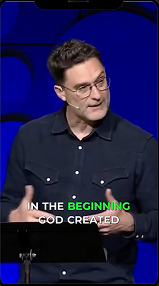
Clip Settings
Genesis
John 3:16
Psalm 23
Philippians 4:13
Proverbs 3:5
Romans 8:28
Matthew 5:16
Luke 6:31
Mark 12:30

 Click to upload
You can upgrade to a paid plan to set your clip settings

Cancellation
We’re sorry to see you end your subscription
Could you let us know why so that we can improve our ministry?
Create a new chatbot from a video of your church service

Hear What Luke Heard: Certainty of Christ
by Crossland Community Church  on Nov 30, 2025
Hear What Luke Heard: Certainty of Christ
Devotional
Day 1: Hearing the eyewitness account brings certainty.
Luke investigated and compiled the stories so that you can hear what the eyewitnesses heard and be given the same certainty they had; hearing is not second‑rate—Luke believes you can hear enough to know, believe, and live with confidence in the promises fulfilled in Christ. [43:20]
Luke 1:1–4 (ESV)
1 Since many have undertaken to compile a narrative of the things that have been accomplished among us, 2 just as those who from the beginning were eyewitnesses and ministers of the word have delivered them to us, 3 it seemed good to me also, having followed all things closely for some time past, to write an orderly account for you, most excellent Theophilus, 4 that you may have certainty concerning the things you have been taught.
Reflection: Choose one passage from the Gospels you’ve only heard about (for example, a resurrection appearance or a miracle); today read Luke 1–2 aloud, write one paragraph about how the eyewitness testimony increases your certainty, and tell one trusted believer what you discovered.
Day 2: Prophecy assures Christ's reign and eternal peace.
The prophetic voice of Isaiah shows that what happened in Bethlehem was not a one‑off surprise but the fulfillment of long‑held promises that bring a present peace and a hopeful expectation for the future reign of the Messiah. [33:23]
Isaiah 9:2–7 (ESV)
2 The people who walked in darkness have seen a great light; those who dwelt in a land of deep darkness, on them has light shone. 3 You have multiplied the nation; you have increased its joy; they rejoice before you as with joy at the harvest, as they are glad when they divide the spoil. 4 For the yoke of his burden, and the staff for his shoulder, the rod of his oppressor, you have broken as on the day of Midian. 5 For every boot of the tramping warrior in battle tumult and every garment rolled in blood will be burned as fuel for the fire. 6 For to us a child is born, to us a son is given; and the government shall be upon his shoulder, and his name shall be called Wonderful Counselor, Mighty God, Everlasting Father, Prince of Peace. 7 Of the increase of his government and of peace there will be no end, on the throne of David and over his kingdom, to establish it and to uphold it with justice and with righteousness from this time forth and forevermore. The zeal of the LORD of hosts will do this.
Reflection: Identify one present fear or burden you carry; pray Isaiah 9:2–7 over that circumstance today, naming how each title of Jesus (Wonderful Counselor, Mighty God, Everlasting Father, Prince of Peace) addresses that burden, and then take one concrete step this week (rest, forgive, reconcile, seek counsel) that aligns with that truth.
Day 3: God's promise of a Redeemer begins in Genesis.
From the very first promise after the Fall, God announced a coming Redeemer; that proto‑evangelium starts the line of fulfilled promises that Luke will point back to so believers can trust God’s unfolding plan. [49:47]
Genesis 3:15 (ESV)
15 I will put enmity between you and the woman, and between your offspring and her offspring; he shall bruise your head, and you shall bruise his heel.
Reflection: Where have you been trying to fix the effects of sin by your own effort? Today confess that to God, pray Genesis 3:15 as a reminder of God’s promised victory, and replace one self‑reliant habit with a gospel habit (daily confession, Scripture reading, or dependence in prayer) starting tomorrow.
Day 4: Christ's one sacrifice secures salvation once for all.
Because Christ died once for sins, believers are invited into a resting confidence—not repeating rituals to earn favor but receiving the sufficiency of his single, finished work for salvation and life. [41:42]
Hebrews 10:10 (ESV)
10 And by that will we have been sanctified through the offering of the body of Jesus Christ once for all.
Reflection: Is there an area where you keep trying to earn God’s approval through works or rituals? Tonight confess that to God, read Hebrews 10:10 aloud, and tomorrow replace one “work” habit with a Gospel practice (resting in grace, saying a short thanksgiving prayer, or receiving forgiveness) as a tangible step of trust.
Day 5: Eyewitness resurrection appearances validate the gospel truth.
The many who saw the risen Christ and suffered for that testimony turned movement into mission; the eyewitness accounts Luke gathered show people were compelled to move and act because the resurrection was real and transformational. [54:00]
1 Corinthians 15:6 (ESV)
6 then he was seen by more than five hundred brothers at one time, most of whom are still alive, though some have fallen asleep.
Reflection: Think of one person in your life who doubts the resurrection or the Christian claim; this week share with them the testimony of an eyewitness (begin by reading 1 Corinthians 15:3–8), invite them to a simple conversation about what you read, and schedule one specific time to have that conversation.
Sermon Summary
Isaiah’s promise of light breaking into deep darkness is not nostalgia—it’s orientation. I read Isaiah 9 because Advent is not just about looking back; it’s about learning how what God fulfilled in the first coming gives us confidence about what He will fulfill in the second. That’s precisely why Luke wrote. He wasn’t an eyewitness, and neither are we. Yet he insists we can hear enough to know enough to believe enough—to be saved, and to live saved. Luke’s prologue tells us what he’s giving us: a carefully investigated, orderly narrative that doesn’t merely report what happened; it shows what was fulfilled. He stacks eyewitness testimony and servant-witnesses who paid a price—“lower rowers” whose names we don’t know but whose rowing moved the gospel across an empire.
I pressed on the power of documents because even in a post-post-modern world, we live by texts we didn’t observe being written. We’ve never met the authors of the Constitution, yet it governs our lives. Luke is claiming something far more: a Spirit-breathed narrative that turns hearing into certainty. His word matters: fulfilled. The events of Jesus’ life were not historical accidents; they were promised, then performed. That pattern trains us to live between promise and fulfillment: the Father in the Old Testament, the Son in the Gospels, the Spirit in the church age—and now we await the Son’s return.
Luke writes to Theophilus—and to all “friends of God”—so we would have certainty about what we’ve been taught. Certainty is not bravado; it’s ballast. It frees us to live in a world that questions, to serve in the bottom of the boat without applause, to trust that the One who kept His word once will keep it again. I urged us to enter the story the way Luke invites us to: not as spectators of old miracles, but as participants in present obedience. People moved when they heard—the Emmaus disciples ran back at dusk; two young women were baptized today for the same reason. If you’ve heard what Luke heard, then do what they did: confess Christ as Lord and live in the peculiar steadiness of Advent people—those whose past is fulfilled and whose future is sure.
Key Takeaways
- 1. Hear enough to know enough Our age prizes seeing and measuring, but the kingdom honors trustworthy hearing. God anchors faith in credible testimony—Scripture, eyewitnesses, and a community that keeps telling the truth. As you practice listening with intent to obey, knowledge moves from abstraction to conviction. Hearing becomes knowing, and knowing becomes a life you can stake everything on. [41:42]
- 2. Fulfillment reframes how we read history Luke doesn’t just catalog events; he shows promises kept. That trains us to look for God’s patterns, not just proofs—how prophecy shapes reality and builds courage for what’s next. Advent becomes less about sentiment, more about sanctified memory that fuels expectation. We don’t worship a moment; we follow a storyline that’s still unfolding. [49:15]
- 3. Honor the “lower rowers” The gospel advanced because unnamed servants bore costly witness in obscurity. They rowed below deck—no spotlight, high price, unwavering rhythm. The health of your soul and church won’t be measured by platform moments, but by hidden faithfulness that refuses to quit. Choose the oar over the stage; God steers ships by those willing to sweat in the dark. [56:42]
- 4. Documents do shape lives—submit to Scripture We already live under the authority of texts we didn’t witness being written. The question isn’t whether documents govern us, but which ones we trust with our loves and loyalties. Scripture uniquely claims fulfilled promises that produce future certainty; it doesn’t just inform—it forms. Let it claim your calendar, conscience, and courage. [37:22]
- 5. Advent certainty for a waiting people History is promise-fulfillment, then promise—awaiting fulfillment. The first advent secures the second; the resurrection guarantees the return. Certainty doesn’t remove mystery, but it relocates our fear and emboldens our obedience. Live now as citizens of the coming kingdom—joyful, steady, and ready. [65:01]
Youtube Chapters
- [00:00] - Welcome
- [32:23] - Isaiah 9 proclaimed
- [34:46] - Enlightenment and the method
- [37:22] - Living under a document’s power
- [39:20] - Why Luke wrote for hearers
- [40:15] - Advent as forward-looking fulfillment
- [43:50] - Narrative genre invites participation
- [48:42] - “Fulfilled among us,” not just events
- [51:49] - History: promise, fulfillment, promise
- [54:27] - Eyewitness interviews and method
- [56:42] - Honoring the “lower rowers”
- [61:26] - A logical, theological account
- [64:38] - The goal: certainty
- [74:33] - Hear, believe, and live with certainty
Bible Study Guide
Luke 1:1–4
1 Inasmuch as many have undertaken to compile a narrative of the things that have been accomplished among us, 2 just as those who from the beginning were eyewitnesses and ministers of the word have delivered them to us, 3 it seemed good to me also, having followed all things closely for some time past, to write an orderly account for you, most excellent Theophilus, 4 that you may have certainty concerning the things you have been taught.
Observation questions (3–4)
- What words or phrases in Luke 1:1–4 describe Luke’s method and purpose (look for phrases like “carefully investigated,” “orderly account,” “eyewitnesses and servants”)? [42:35]
- Luke intentionally writes “fulfilled among us” rather than only “what happened.” What difference does that wording make when you read the gospel? [49:15]
- Who are the “eyewitnesses and servants of the word” Luke refers to, and what kind of evidence does Luke claim to have gathered from them? [54:27]
- Luke’s stated goal is that Theophilus “may know the certainty of the things that you have been taught.” What is Luke promising his readers about the effect of this narrative? [01:05:01]
Interpretation questions (3–4)
- How does Luke’s claim that he “carefully investigated everything” affect a reader’s reason to trust the gospel as more than mere hearsay? [41:42]
- If Luke frames Jesus’ life as fulfillment of prophecy, how should that shape a reader’s expectations about the way Scripture connects past promises to future hope? [49:15]
- What does Luke mean by honoring “servants of the word” (the “lower rowers”)? What does that reveal about how the gospel advanced in the early church and how it should be valued now? [56:42]
- Luke promises certainty, not bravado. In what practical ways does the certainty Luke offers free a Christian to live differently (in mission, obedience, and waiting)? [01:05:23]
Application questions (5–7)
- The sermon argued that “hearing with intent to obey” turns knowledge into conviction. Recall a time you heard Scripture but didn’t act—what kept you from obeying, and what one small, concrete step will you take this week to obey what you heard? [41:42]
- Identify one “lower rower” in your church (someone who serves without applause). How can you honor or support that person this month—practically and specifically (a note, a meal, helping their ministry for an hour)? [56:42]
- The pastor said we already live under powerful documents we didn’t witness (example: the Constitution). What written commitments (Scripture habits, church membership, spiritual disciplines) do you need to submit to Scripture’s authority this season? Choose one and name the first action you’ll take. [37:22]
- Advent is forward-looking because past fulfillment fuels future certainty. When have you struggled to trust God’s promises about Christ’s return? Name one spiritual practice (regular prayer, reading Luke, serving a neighbor) you will adopt for the next four weeks to cultivate “Advent steadiness.” [49:47]
- Luke wrote so people who weren’t eyewitnesses could “hear enough to believe enough.” Who in your life hasn’t yet heard enough of the gospel? Which short story or passage from Luke (for example, Luke 24:13–35, the Emmaus road) could you share with them this week, and how will you start that conversation? [01:03:26]
- The sermon asked, “Did you hear what he heard?” Are there particular doubts or questions that keep you from the certainty Luke promises? Name one step you’ll take this week to address that doubt (read Luke 1–2, ask a mature believer to meet with you, join a study group). [01:06:10]
- The sermon honored hidden faithfulness over platform. What is one “dark, costly” ministry task you’ve avoided because it has no applause? Will you commit to doing it for the next month? If yes, what is it and when will you do it? [56:42]
Sermon Clips
``He believed that you can know enough through hearing enough to believe enough to be saved. He believed that you literally could hear enough to know enough to not only be saved, but to live saved. That the transformative power of the events that were in this document is just as equally powerful, having not been there, as it is for those who actually were there. And the Bible actually sets itself apart as an extraordinarily unique document, because it doesn't just record what happened. It actually uses the record of what happened to produce confidence and certainty about what's going to happen. [00:39:28] (47 seconds) #HearToBelieve
And today's big idea as we launch into a Christmas series is, if we hear what he heard, we can live as they lived. I mean, it's pretty simple. And you get to do it with certainty. And this will be the primary emphasis of this entire book. And if you want a little secret, don't tell anybody I told you. But we're actually going to study Luke's gospel from today until Easter Sunday. And so we're going to be in this great epic work for the next several months. [00:42:02] (27 seconds) #LiveWhatYouHear
But the most important, powerful reality of Luke's gospel for us today is he wasn't an eyewitness and neither were we. So the only experience he had is what he heard. But he heard enough to believe enough to be saved. And because he had that experience, he believed that experience was possible for a guy by the name of Theophilus. And to think his intent to write this entire gospel, as you'll see in a second, to one dude, Theophilus, and that name means friend of God. [00:46:24] (34 seconds) #SavedByHearing
Because what he sees after all of his observations, after all of his eyewitness interviews and testimony, is the most important thing we need to know is not what happened, but what was fulfilled. And this is the power of Advent. What Luke learned was this wasn't just a one-off that happened in human history. That this was actually prophetically predicted by God for thousands of years. That what we see in Luke's gospel, and it's not just like an Old Testament prophecy. The whole thing is fulfilled in Christ. [00:49:01] (35 seconds) #FulfilledInChrist
So the people he spoke to, the people who saw it that he spoke to, paid a really high price for what they saw. And paid a real high price for the truth that they were willing to tell people what they saw. And you can imagine Luke saying, if you heard what I heard, you'd believe what I believe. Because these people, they didn't have it convenient. They weren't living high on the hog. They were the lower rowers, baby. They were the low rung on society then. Bottom of the boat. Never got out. Just rowing all along. [00:57:43] (29 seconds) #CourageousWitness
He did the hard work of investigating and talking to the people that were the first eyewitnesses of these events. And I carefully investigated everything from the beginning of his life. And I, too, decided then, therefore, I'm going to write an orderly account for you, most excellent Theophilus. And so, what he put together for you and me to celebrate this Christmas and on into Easter. This word orderly means logical. He put a logical account together. Not necessarily chronological, although his is pretty chronological. It's a theological account. [01:01:00] (39 seconds) #OrderlyGospel
There are two young women who just proved that to you. That they were impacted by what they will now tell you is undeniable. That he lived perfectly, died painfully, rose triumphantly, and he's coming again to judge the living and the dead. And that's why they got in that water. Because they weren't there. They didn't see it. They didn't interview any eyewitnesses. But they have heard enough to believe enough to know enough to be saved. And that's the power of Luke's gospel. It has present impact. [01:03:47] (34 seconds) #HeardAndTransformed
And I write to you, Theophilus, so that you may know the certainty of the things you've been taught. Not the certainty of the things that have happened. The things that you've been taught. And what he's been taught isn't just about the first coming. It's also about the second coming. And this incredible four verses, believe it or not, is one sentence made up of 76 words. I mean, it's all, it's just all. And the last word, the last word is certainty. And that's a powerful word. Because this is what his gospel can produce in people. [01:04:25] (41 seconds) #GospelCertainty
Because if you hear what he heard, you can experience what they experienced. But the question would be, did you hear what he heard? Because it's available to you. And it's an irrefutable document. Written by Luke. Not just recording the events that happened. But the predictive reality of how they fulfilled promises. To give you and I the confidence to wait until God fulfills the promises that are recorded in here. He writes much of the second coming. Much about the second coming. He writes much about the Holy Spirit. [01:05:09] (37 seconds) #LukePromises
Because if we hear what he heard, we rest in certainty of the things promised and the future fulfillment coming. And this is the power of his gospel. Have you heard what he heard? Have you heard about this homeless, itinerant, uneducated, penniless Jewish carpenter? Who died such a shameful death that he would be no one's hero. Except for the fact that he raised himself from the dead. That Luke will give extensive post-resurrection experiences to prove and to reveal to you that it wasn't a myth. [01:05:58] (38 seconds) #ResurrectionProof
Well, good morning.
A reading from the prophetic work of Isaiah, and I'm going to be reading from chapter 9. Isaiah writes,
The people walking in darkness have seen a great light. On those living in the land of deep darkness, a light has dawned. You have enlarged the nation and increased their joy. They rejoice before you as people rejoice at the harvest, as warriors rejoice when dividing the plunder. For as in the day of Midian's defeat, you have shattered the yoke that burdens them, the bar across their shoulders, the rod of their oppressors. Every warrior's boot used in battle and every garment rolled in blood shall be destined for burning and will be fuel for the fire. For unto us a child is born, a son is given, and the government shall be on his shoulders, and he will be called God, Wonderful Counselor, Mighty God, Everlasting Father, Prince of Peace. Of the greatness of his government and peace thou shalt be known, and he will reign on David's throne and over his kingdom, establishing and upholding it with justice and righteousness from that time on and forever. And the zeal of the Lord Almighty will accomplish this.
Let's pray together.
Father, what a prophetic, predictive look. And surely there was a partial fulfillment with the rise of King Hezekiah probably and other moments when you raised up deliverers. But never has there been one for unto us something very, very powerful about your documents, your writings. And if we shall hear today what they heard then, we can experience what they experienced. We love you and thank you in Jesus' name. Amen.
In this post-post-modern world, and I'm not so sure what that's called other than the post-post, there was the time when it was really pretty much old world, maybe dark ages kind of thinking, and then we moved into the modern era. And the modern era is also defined as the enlightenment era. And it radically altered the world. It was when human beings began to realize that there were many things in this planet, in this world, in all of creation that could rationally be explained, that you could literally measure certain things and through those measurements predict, if you will, like gravity. Gravity was measurable. And it was in that era that the scientific method was given birth. And it was that which is observable, measurable, and repeatable is that which can be guaranteed. If you didn't observe it, there's really not a lot to it. If you can't measure it, and it's not repeatable, the rational thinkers thought that scientifically, you really don't have a way to prove it.
Problem is, in the post-modern era, as man moved into this evolutionary stage, not creature-wise, time-wise, they began to apply that to written documents. And all of a sudden, this post-modern world, where rationally thinking, you should be very glad, as am I. That's where medicine came from. That's where electricity came from. Many of the things that affect your life came out of the rationalistic movement and the scientific methodologies. But then they began to apply that to documents. And if it wasn't observed, you can't measure it, and it can't be repeated, then it is improvable. In other words, if you weren't there, how do you know it really happened? And since you weren't there and I wasn't there, why do I got to allow the document to affect me the way you say it's supposed to affect me? And so, all of a sudden, this documentary hypothesis that existed for thousands of years was being attacked. And to this day, it's attacked. And wrongly so in so many ways.
But think of the Bible, right? There's so many who say, well, it's just a book written by people. And you can't prove it you weren't there, which is true. And because you can't measure it, we didn't observe it. And certainly, basically, none of the events are repeatable. Then how could it be provable?
Well, the truth of the matter is, they're in a person in this room who isn't living under the reality of a written document that you weren't there when it was written. You never met the people that signed it. And in 2026, we're going to be celebrating the 250th year of that document dictating the actions and the attitudes of everybody. Basically, that's a citizen. It's called the Constitution of the United States of America. You're in this room today because of that document. You came in here without the single worry whatsoever that the government would enter into this room and arrest you for being in this room because you know you have a First Amendment right. That the Bill of Rights guarantees that you can, the establishment of religion is forbidden by the government, but also the free exercise of religion is guaranteed to every one of its citizens. You're in here with peace in mind because of a document most of you never read. You have no idea who signed it. If I asked a lot of you, you may not even know where it was written. Philadelphia. You know what I mean? So it's false. Even people who are post-post-modernists, if push came to shove, they would want that document to defend them. They would want that document to declare what the government could and could not do. People don't know the document, and yet they live under the power and the authority of it every day of their lives. And there's so many other written documents that have that effect.
So when you really come down to it, documents actually have, in my opinion, more power than just hearsay. And we think this is what happened because this is observable, and it is measurable in its effect. Does it have any lasting effect in those things? Well, certainly when God would lead a man by the name of Luke to write, in that day, written documents were extraordinary and very powerful because they were at times quite unique. And this document, the Gospel of Luke, that we shall look at here through Christmas, is one of those. And he wrote with a powerful belief that even though you weren't there, you could experience the same power of what happened. You can have the same identical experience that the people had that were actually eyewitnesses to the moment. He believed that you can hear enough through hearing enough to believe enough to be saved. He believed that you literally could hear enough to know enough to not only be saved, but to live saved. That the transformative power of the events that were in this document is just as equally powerful, having not been there, as it is for those who actually were there.
And the Bible actually sets itself apart as an extraordinarily unique document, because it doesn't just record what happened. It actually uses the record of what happened to produce confidence and certainty about what's going to happen. And that, my dear friends, is Advent. Advent is not a reflection, so to speak, on what happened, but it's a reflection on what happened in order to give us confidence and certainty about what's going to happen. That Advent is mostly a look forward. And we look forward with a celebratory, confident, undeniable reality, because we know what's already happened. And that is, in fact, why Luke wrote. Because Luke didn't experience it. Luke didn't see any of it. And that's why I think God would use him instead of Matthew and Mark, a person who was not an eyewitness to the miracles of Christ, was not an eyewitness to the teachings of Christ. Didn't walk where, didn't get involved until somewhere along the road when he met Paul in the book of Acts and would join the journey. And then begin this incredible process of being led by God to write two documents, Luke and Acts.
And Luke is powerful because this is what he's saying. And this is why it applies so much to us today. We weren't there. We didn't observe it. It's not going to be repeated. Christ is not going to die ever again. He's died once to sins, the book of Hebrews says. It is measurable, but we couldn't observe it. But he wrote because he knew. You can hear enough. You really can. To know enough, to believe enough, to be saved. And you can hear enough, to know enough, to believe enough, to live saved. That's what he believes. And that's what this entire gospel is about. And so he's going to, the did you hear what I heard? That's his gospel. And today's big idea as we launch into a Christmas series is, if we hear what he heard, we can live as they lived. I mean, it's pretty simple. And you get to do it with certainty.
And this will be the primary emphasis of this entire book. And if you want a little secret, don't tell anybody I told you. But we're actually going to study Luke's gospel from today until Easter Sunday. And so we're going to be in this great epic work for the next several months. So just get your Bible out and start reading Luke. I'll break it up into three really good, maybe four categories for you. But the prologue of this book sets the foundation for everything we're going to look at till Easter. And that's why we start here today. Let's look at the text, the four verses, and then we'll pull it apart.
Okay, we're going to do all four.
Many have undertaken to draw up an account of the things that have been fulfilled among us, just as they were handed down to us by those who from the first were eyewitnesses and servants of the word. Therefore, since I myself have carefully investigated everything from the beginning, it seemed good to me also to write an orderly account for you, most excellent Theophilus, so that you may know the certainty of the things that you have been taught.
But four verses that lays out the entire, if you will, the purposes for which he wrote and the hope of what this document can do for those, not necessarily read it, but those who will hear it. So he starts with a very powerful word. Let's go back.
That's not a long term. Many, many have already undertaken to do this. He's not the first person to approach this subject matter to create a historical biography. The gospel literature, Matthew, Mark, and Luke, John stands alone in style and purpose, but they are a unique type of literature. There wasn't a lot of historical biographies like this one. Most historical biographies of that moment, you did everything you could to make your hero the hero. And you certainly wouldn't have a Jewish, uneducated, homeless, penniless carpenter who dies by crucifixion as the hero of your story. Now, you wouldn't do that. You would have Caesar as the guy who's got all the money and all the strength. You want the hero to be something everybody can rally around. So historical biographies before this weren't necessarily truthful as much as they were fanciful. Okay?
But Luke is writing what was probably the third of the three. It's hard to say, but Mark was certainly first. And he already acknowledges that many people have already done this. They've already undertaken. In fact, there is a lot of evidence to believe that it isn't just Matthew and Mark that already existed. There is also a written source. It's referred to as Q, which stands for quell. And quell in the Greek means source. And there was some form of written source. And what it probably was, was as Christ was in this three years of ministry, people, because they wrote a lot, were writing down what he was saying, were recording what he did with no intent of it being a gospel, just trying to get a written record. And they probably compiled some of these things together like, hey man, do you remember the day he said, love your neighbor as yourself? Yeah, write that down. They didn't write it down thinking it was a part of anything other than, you don't want to forget that. And I'm pretty sure somebody noted the date when they watched him walk on water. You know what I mean? Write that down.
And so there were these things called sources that the gospel writers didn't completely depend upon because Matthew and Mark were eyewitnesses. Well, Mark most likely is the amanuensis, the writer for Peter. So he's getting it from somebody who was actually there. But why Luke speaks to us is because, number one, he's writing to Gentiles, not Jews. It doesn't have a lot of Jewish influence in it. And a lot of people say, well, he's just an anti-Semitic. No, he knew his audience. He doesn't talk about the temple. He doesn't talk about Jewish feasts because, you know, it's like, it doesn't mean anything to them. They don't get it, okay? What he does write to them, they will get it, okay? But the most important, powerful reality of Luke's gospel for us today is he wasn't an eyewitness and neither were we. So the only experience he had is what he heard. But he heard enough to believe enough to be saved. And because he had that experience, he believed that experience was possible for a guy by the name of Theophilus.
And to think his intent to write this entire gospel, as you'll see in a second, to one dude, Theophilus, and that name means friend of God. He's a literal person. I think that's his literal name. Some believe that it was a pseudonym, a fake name used for a man who was in Roman authority in a high position and just didn't want Caesar to know that he was a follower of Christ. I don't buy that. I think it's just a literal dude. He's a Theophilus, friend of God. He didn't write to the skeptic. He wasn't writing to atheists. He wasn't writing an argument. He wasn't writing to try and convince unsaved people to be saved. You'll see why he wrote, okay? And he's writing to a Christian, Gentile, saved man and all saved people after that.
So many have undertaken to draw up, this is the word narrative, and that matters, okay? So who cares? Because he's telling you what he's written. And when he tells you what he's written, that gives you a key as to how you're supposed to read it, how you're supposed to understand it. He didn't write a love letter. He didn't write a birthday card. He didn't write an epistle. It's very different than 1 Peter. 1 Peter is very didactic. It's epistolary. It's like, do this, do this, do this, do this. Don't do this, this, this, this. That's an epistle. This is not. It's a narrative. It's story. And so you don't want to, it's not so much about, although we will have a lot of application, it's about hearing the voice of the text and putting yourself in the story and letting the story enter you, as you'll see today.
So we got to know what he wrote. He wrote a narrative. It's story. Doesn't mean it's not true, but it's a form of writing. An account of the things that have been, I love this, fulfilled among us. He did not say an account of the things that have happened among us, okay? Because that would just be purely historical. We have nothing wrong with that. You know, Tacitus writes an historical account that includes the life and death of Jesus Christ from a Roman authority position. It's what we're doing. And Matthew and Mark give us accounts of what actually happened among them. And this is a very different perspective. That's why I read Isaiah 9. Because what he sees after all of his observations, after all of his eyewitness interviews and testimony, is the most important thing we need to know is not what happened, but what was fulfilled. And this is the power of Advent.
What Luke learned was this wasn't just a one-off that happened in human history. This was actually prophetically predicted by God for thousands of years. That what we see in Luke's gospel, and it's not just like an Old Testament prophecy. The whole thing is fulfilled in Christ. From Genesis 3.15, where the prophecy is given by God directly to Satan, that I will put enmity between my offspring and her offspring. That the seed of the woman will produce something that will now stand between you and man and God. And that is what's called the Proto-Evangelium, the first proclamation of good news. We see the fulfillment of the promise, say to Moses, that a greater prophet than Moses is coming. And the New Testament recognizes that. We see the fulfillment of Isaiah chapter 40, Isaiah chapter 53, Isaiah chapter 61, Isaiah chapter 9, Isaiah chapter 7. Nobody quotes Isaiah more than Luke does. Because he wants the readers to know that this fulfilled the promises of God exactly. That what was fulfilled is so profound.
And why would he want us to know that? Human history is broken pretty much biblical history. But in biblical history is a smaller category called human history. Because human history is not as long as biblical history. Okay? Because in the beginning God created the heavens and the earth. The earth was formless and void and darkness was over the surface of the deep. And the spirit of God was hovering. That's the beginning of biblical history. Humans don't exist yet. We don't know how long it took from Genesis 1, 2 to Genesis 3 to begin. When God said, let there be light. Could it have been millions of years? Well, I don't know how you would have measured it because there's not time. But in essence, yes, it could have been. But once God began to move on this planet, you're looking at about 6,500 to 7,000 years, so to speak, of human history.
And what Luke sees is a fulfillment of those things. That those things that were predicted and prophetically predicted throughout Scripture have been fulfilled among us in human history. And the good news is, is that which has already been fulfilled exactly the way it was predicted and prophetically predicted should give us what? Confidence and certainty about that which is coming. Because when you break that human history down, you can break it into four categories one of two ways. Promise, fulfillment. Promise, we await fulfillment. The promise of one who would come was fulfilled. The one who'd come made promises about what? The one who will come. So it's promise, fulfillment, promise. And now we live in a period where we're waiting for fulfillment.
I tend to break it down into four epics based upon a member of the Trinity. Okay? So the Old Testament, you have God the Father, who's the primary agent of the Trinity, interacting with humanity. So you get to the Gospels. And then you have Jesus Christ, the Son of God, as the primary agent interacting with humanity. Then on Pentecost, after the ascension of Christ, you have the Holy Spirit, who's the primary agent interacting with humanity. And what are we waiting for? What's the final fulfillment? Christ promised that he would return. He's coming again to judge the living and the dead. So we're in this epic era of waiting for the Son of God to come back again. Well, what gives you confidence he's going to do that? He came the first time, right? And he raised himself from the dead.
So Luke is using a very unique word. Fulfilled. Okay? And I have literally, I know other people have done it, but I've done a different one. So he wrote to create a high level, a high level of assurance. And you could put advent, is that's what this is all about, in the future promises based on the present performances that he was finding out about. There's no other document. I don't know of one other than other false religious documents. Like, no other document really looks at its own history, records it accurately, and then makes prophetic promises about a future based upon that moment. I don't know of any.
Just as they were handed down to us, so what he was given, what he's given was given to them. Handed down to us by those who, from the first, were eyewitnesses and servants of the word. So there were many eyewitnesses still alive. We know that from Paul's writing. You can see that in Corinthians. He talks about the fact that there were over 500 people who saw Christ at one moment in his resurrected state. Not to mention all the interactions with the 12, the 120, and others. And so there's still a really good number of people that are alive. Luke is traveling with Paul, who is a witness of the resurrected Christ because he saw him on the road to Damascus. But he was also obviously a witness of things that Jesus was doing. That's why he was so bloodthirsty mad trying to kill Christians. So even Paul was a great eyewitness to these things that happened.
So he literally did the hard work of a historian to go around and interview people that he was told were eyewitnesses of the events that happened. Now, going around and interviewing people that you know are pushing forth a lie would be a waste of time. You know what I mean? You're not going to waste all that time and effort to do it. He probably spent a lot of time in Jerusalem. And somebody probably said, well, you know what? Jairus' daughter was raised from the dead by Jesus. Jairus lives right there. So what's he doing? He goes over and says, Jairus, you got time for a cup of coffee? Tell me what happened. And he wrote it down. Woman with the issue of blood went over it. Really? You just touched it? Write that down. Luke's writing it down. Luke's a doctor. You can imagine how interested he was in those two. He raised somebody from the dead? I want to hear about that. Right? And so he's just writing it. He's compiling it.
But he has a purpose. Not just to record that these events had happened. But to show how these events fulfilled what was predicted and prophetically promised about Christ. And so these people were first the eyewitnesses from the very beginning and servants of the word. People who were used of God to advance the word of God. To advance the mission of God. He spoke to people who took what happened with Christ to see more than a moment. They were able to see it as a movement. Okay? And this movement was gaining steam in the Roman Empire. And he went and interviewed some of those who were servants of the word.
Now this word is so interesting. In the New Testament, we have two words that is used most often for a servant. Doulos, which is the word for slave. And that defines us. We are the slaves of God. And he is our master. But he's a great master. It doesn't mean he's, you know, mean and evil like slave lords were. He's a good master. He's a good lord. Lord, diakonos, and if you're a good old Southern Baptist, you can hear the word deacon in there. And that is another word for servant. But this one is used occasionally. And certainly here by Luke, this means lower rower. Lower rower.
Now I know it's going to take a second. But think about how were the warships powered in that day? By lower rowers. They were on the bottom of the boat. They were in the bottom of the hull. And they sat there and rowed. Literally, one guy beat a drum. Boom, boom. And they just rowed and rowed and rowed. They never saw the light of day. They weren't up in the glory position. They weren't up on the top level of the boat looking out at all the other. None of that. They're in the basin hull of this ship just doing the dirty work, the lonely work. The work nobody ever would know that they were doing. Probably nobody ever knew their name. He doesn't record their names because I think he's trying to honor the fact that that's the role they were playing and the role they wanted to play. They were willing to do the dark work, the dirty work, the hard work of rowing this boat called the kingdom of God with everything they've got.
So the people he spoke to, the people who saw it that he spoke to, paid a really high price for what they saw. And paid a real high price for the truth that they were willing to tell people what they saw. And you can imagine Luke saying, if you heard what I heard, you'd believe what I believe. Because these people, they didn't have it convenient. They weren't living high on the hog. They were the lower rowers, baby. They were the low rung on society then. Bottom of the boat. Never got out. Just rowing all along. To what? Proffer a lie? To further what they knew to be a lie. Impossible. And Luke says, if you heard what I heard, did you hear what I heard? Well, then you'll experience what they experienced. And that is the power of this gospel, this entire gospel.
It's because the people, the first-hand eyewitnesses paid a high price to say they saw it. They paid a high price to declare that, no, I was there when he walked on water. No, I was there when he fed 5,000 people. Can you imagine talking to that little boy? That was my lunch. That was my lunch. How much more evidence would you need, right? That little kid. That kid don't need another story. He said, nope, that was mine. That was my lunch. I don't know why these grown men took it from me. Bullies. And then they fed 5,000 people. And being a little boy, I was the last guy on the rung. You'd think I'd get the first bite. I didn't even get the first bite.
So, you've got to put yourself in the story. That's why this is story. And really begin to comprehend that as he's interviewing these eyewitnesses who are laboring for the Lord, the impact that story had on Luke was so profound. About the events that actually happened, but never forget, he didn't write for that purpose. He wrote because he knew those actions were fulfilling something that could create something in Theophilus that Theophilus obviously needed. Because he had the facts of what had happened. With this in mind, Luke says, since I myself carefully investigated everything, there you go. He's laying it out there. He's done his homework. He did the hard work. He didn't, well, yes, much of Mark's gospel is included in Luke's gospel. Doesn't necessarily mean he interviewed every single solitary person who had any event in there. But he may very well have met with Mark and said, Mark, I want to talk to you about your gospel. Tell me, because Mark was an eyewitness. So, he could have knocked out a lot of stories with Mark.
Matthew and Luke have a lot of similarities. He could easily, he could have easily went to Matthew and said, Bubby, you're going to have to talk to me about some of the things you saw and what did you experience. And so, he doesn't mean he interviewed every person in there, but he did carefully investigate everything. He didn't just take it as word of mouth, in other words. He did the hard work of investigating and talking to the people that were the first eyewitnesses of these events. And I carefully investigated everything from the beginning of his life. And I, too, decided then, therefore, I'm going to write an orderly account for you, most excellent Theophilus. And so, what he put together for you and me to celebrate this Christmas and on into Easter.
This word orderly means logical. He put a logical account together. Not necessarily chronological, although his is pretty chronological. It's a theological account. The way he puts it together is different than the way that Matthew and Mark do. And he's not too concerned about when an event happened based upon the timing of the life of Christ. He has no problem, as John doesn't either, taking an event from the third year and putting it early in the gospel. Because he's not trying to give chronological history. He's trying to give a logical account, a theological perspective. Because he's not trying to give us just an event-for-event historical account, remember? He's trying to show us about that which was fulfilled. And so, he's trying to give us pictures and images that we can look at and see into. Just like he was able to look in and see into. And this is a very legitimate way to write history.
You can write American history with a lot of different starting points. You don't have to start with the pilgrims. I believe, one of the best. I'm waiting for it. And maybe it's out there. Maybe I'm supposed to write it. I don't know. But I think a great history of America would start with Martin Luther King. Because it's such a critical moment in our history. And it defines so much that happened before it. And it defines so much that happens after it. That it could be a great entry into American history. And then you could tell the story after that. How did we get to him? And where are we from him? Right? I mean, you don't have to do chronological for it to be impactful. And that's Luke.
And so, what he wants us to do in these images that he's going to gather together is something very, very powerful. Okay? What he heard is enough to create the same experience he heard they had. In other words, you and I did not have to see him or even hear him teach the Lord's Prayer. As he's going to give his version of the teaching slightly different than what Matthew records. In order for the Lord's Prayer to be impactful for you and me. It will do exactly the same thing for you and I as he thought and taught it would do for them. You did not have to see Christ in his resurrected state in order to be impacted by his resurrection.
There are two young women who just proved that to you. That they were impacted by what they will now tell you is undeniable. That he lived perfectly, died painfully, rose triumphantly, and he's coming again to judge the living and the dead. And that's why they got in that water. Because they weren't there. They didn't see it. They didn't interview any eyewitnesses. But they have heard enough to believe enough to know enough to be saved. And that's the power of Luke's gospel. It has present impact.
But one last thing that it has as well. And I write to you, Theophilus, so that you may know the certainty of the things you've been taught. Not the certainty of the things that have happened. The things that you've been taught. And what he's been taught isn't just about the first coming. It's also about the second coming. And this incredible four verses, believe it or not, is one sentence made up of 76 words. I mean, it's all, it's just all. And the last word, the last word is certainty. And that's a powerful word. Because this is what his gospel can produce in people. Who will hear what he heard. Because if you hear what he heard, you can experience what they experienced. But the question would be, did you hear what he heard? Because it's available to you. And it's an irrefutable document. Written by Luke. Not just recording the events that happened. But the predictive reality of how they fulfilled promises. To give you and I the confidence to wait until God fulfills the promises that are recorded in here.
He writes much of the second coming. Much about the second coming. He writes much about the Holy Spirit. And who he is all through the book of Acts. To help us live in the confidence that we're not alone. But the entire journey has to start with, did you hear what he heard? Because if we hear what he heard, we rest in certainty of the things promised and the future fulfillment coming. And this is the power of his gospel. Have you heard what he heard? Have you heard what he heard? Because if you did hear what he heard, why are you not doing what they did? And what they did was confess Christ as Lord. And the power of that was, they got to spend in all the insanity of the early Roman Empire. They got to live in certainty.
This certainty so profound and impactful that by 324, Christmas was already being celebrated. The very first Christmas celebration was under the mandate of Emperor Constantine. And the reason he chose December 25th is one of two or maybe both of these reasons. One, because there was a massive festival celebrated around December 21st, which is still the winter solstice. And in many countries in northern Europe, they still celebrate the solstice because it's so dark and it's just, and then they do the summer and it's so much daylight. But it was a pagan festival and it got a little wild, as you can imagine. And he got this idea, why don't we take advantage of that? Why don't we have a celebration of that which should be worshipped? We don't want to worship that which has been created. We don't want to worship the one who created it.
But there was also a belief that it existed for probably a hundred years, give or take. Not provable, just a folklore. Don't get mad about it. But that the Immaculate Conception happened on March 25th. And there's some background to all that. But for the most part, that Mary's visitation with the Holy Spirit was on March 25th. And nine months later, we put you right on December 25th. But regardless, whether we celebrate December 25th or not, we do know one thing, right? And this sounds like real corny, but you realize he was born on a day. Like, no kidding. No, you don't understand. There's a lot of people who don't believe he was born on a day. Like, you tell them the Savior of the world was born on that day. Like, I'm like, really?
1,800 years ago, they started moving. 1,700 years ago, they were already celebrating his birth. 1,700 years ago. Our nation is going to celebrate its 250th history. And you're still moved by a document. You never met any of those men. And I could go, like, the Declaration of Independence. You so sure that's John Carroll of Carrollton who signed that? Because that's what he signed. Well, who the heck's John Carroll of Carrollton? I have absolutely no idea. None. You ever met Ben Franklin? He signed it. No? Do you know any of the other 56 signatures? And you're like, no? Right. And are you really just going to sit there and be like, oh, man. It's like, that was like 17. No, wait a minute.
But Roman history states that Constantine declared in 324, 1,700 years ago, declared, we will start celebrating the birth of Jesus Christ on that day. So, like, all I can say is pump your brakes. Come up with another argument. Because the only other argument you have is that I'm just not going to believe it. Okay, that's your choice. That's the choice. I'll give you that. To deny it, to discredit it, is historical ignorance. Because you don't do that to anything. Like, I know some of you Kentucky football fans want to deny what happened yesterday. Listen, that happened. That happened. Okay? And, yes, I want to deny what happened to the Eagles. But it happened. We were up 21-0 and lost to the Cowboys. It happened. Every now and then, the devil wins. But it's just every now and then. Every now and then. Because if you don't let the devil win, how do we appreciate when Christ is victorious through the Eagles? That's exactly right. Because I can tell you, there's not a single cowboy mentioned in that book. But there sure are Eagles. And we fly on the wings of Eagles, is what I'm told in the Bible. So, you just hold on. In the end, Eagles soar. You know what I mean?
It's like ignorance to be like, nah, it didn't happen. Like, okay. Thanks, bub. Like, ignorant people who say the Holocaust didn't happen. Like, all you got to do, go with me to Poland. I'll take you. Like, you get just outside the ghetto, when you come down to the beautiful river in Warsaw. Where when Germany knew they were going to be invaded and they only had so much ammunition left. Where they dug these massive holes at the river. They weren't shooting the Jews anymore. They were beating them to death with the butts of their rifles. Because they didn't think the Jews were worthy of a bullet. And they refused to touch these mass graves. And I'm telling you, not in a Ouija board way. But when you stand on top of that, you'll feel it. Don't tell me it didn't happen.
Is it just with the account of the Lord Jesus Christ? Because it demands allegiance. It demands allegiance. It demands it. So, did you hear what he heard? Did you hear what he heard? Because if you did hear what he heard, then you can experience what they experienced.
Father, we love you and thank you. You have specific intent. Did Luke know this going in? Who knows? Did he do all that investigation for Theophilus? Probably not. Probably did it for himself. And then you said, okay, I'm going to use you to write this. I don't know. Maybe he did do it all for Theophilus. I do know Theophilus benefited from it, as do we. But I do know ultimately what your intent is. To let us know that we can hear enough, to know enough, to believe enough, to be saved. And then if we allow this, the voice of this text to speak, we can hear enough, to know enough, to believe enough, to live that way. With certainty and confidence that the one who fulfilled all the previous promises will do the same thing with the existing promises. Powerfully and wonderfully in the same exact way, through the coming of your Son.
So for those who haven't yet believed enough, I just hope and pray they realize they have heard enough. They do know enough. Now they just got to believe. Father, we love you and thank you. In Jesus' name we pray. Amen.
Give God a hand, clap of praise in this house for a powerful word. All right. May God richly bless each and every one of you. Go have a great day.
Today, I haven't been with her, but let's just say, I'm going to text her right now. She doesn't like it when people get into baptistry and say what organization they're with. She's like, that girl does not need to say FCA or Young Life. This is Crossland. They don't need to be mentioned in these other ministries. Of course, she's known, Josie, her whole stinking life, but Tammy is so funny. Just get in there and do your deal. Don't talk about it. Good care, Les. She's just extraordinarily protective.
Yeah, it is. Celebrating a lot of the wrong things.
Yeah. Like the first time they had sex or something.
Well, that's all good.
Yeah, I mean, you know what I mean?
Oh, yeah. Yeah, it's real.
Subject: Hear What Luke Heard: Certainty of Christ
Dear Crossland Community Church,
I hope this finds you chewing on one simple truth from Sunday: if we hear what Luke heard, we can live as they lived—with confidence in the promises God has already fulfilled and the promises yet to come.
Luke’s prologue reminds us he wasn’t an eyewitness; he did the hard work of investigating eyewitnesses so that Theophilus—and you and I—might know the certainty of what we’ve been taught. He deliberately frames Jesus’ life as fulfillment of God’s promises so that Advent isn’t merely a look back, but a forward-facing confidence: because God kept His word before, we can trust He’ll finish what He’s promised. We’re going to live in this book together from now through Easter, putting ourselves into the story so the story can get into us.
This week I want to push you to do two plain things: read Luke 1–2 and ask, “Did I hear what he heard?” If you have, show it—get in the boat and row: serve where it’s messy, tell someone why you believe, come to the Luke series and bring a friend who needs to hear enough to believe enough. If you haven’t heard it yet, hear it now—this gospel was written so that hearing would produce saving, life-changing certainty.
Blessings,
Crossland Community Church Team
Login
Check your email
You should receive an email in the next few seconds with a link to sign you in. Be sure to check your spam folder.
Embed link
Add this chatbot onto your site with the embed code below
<iframe frameborder="0" src="https://pastors.ai/sermonWidget/sermon/embracing-gods-call-a-journey-of-faith-and-obedience" width="100%" height="100%" style="height:100vh;"></iframe>Copy
© Pastor.ai