|
Current Plan
|
Pastor
$30per month
|
Team
$100per month
|
|
|---|---|---|---|
| Sermons per month | 4 | 5 | 20 |
| Clips per sermon | 2 | 8 | 20 |
| Admins that can edit sermon pages and sermon clips |  |
1 | 5 |
| Sermons automatically pulled from Youtube and emailed to you | |
by Mon morning | on Sundays |
| Sermon clips translated into any language (example) | |
|
 |
| AI Assistant's website training depth | NA | Crawls your homepage and all pages linked from it |
Crawls your homepage and pages up to two links deep |
| AI Assistant's youTube Sermon Training | NA | Sermons from the past 12 months | Sermons from the past 24 months |
| Max length of videos | 1.5 hours | 2.5 hours | 4 hours |
| Customer support | |
Chat + Zoom calls |
Caption Text

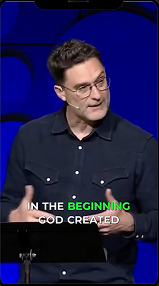
Clip Settings
Genesis
John 3:16
Psalm 23
Philippians 4:13
Proverbs 3:5
Romans 8:28
Matthew 5:16
Luke 6:31
Mark 12:30

 Click to upload
You can upgrade to a paid plan to set your clip settings

Cancellation
We’re sorry to see you end your subscription
Could you let us know why so that we can improve our ministry?
Create a new chatbot from a video of your church service

A Thankful Heart Speaks Volumes
by Memorial Baptist Church Media  on Nov 18, 2025
A Thankful Heart Speaks Volumes
Devotional
Day 1: True Thanksgiving Flows from Knowing God and His Salvation
Thankfulness is not just a polite gesture or a seasonal habit, but a deep, overflowing response to who God is and what He has done for us—especially in delivering us from darkness into His marvelous light. When we truly grasp that we have been rescued from the domain of darkness and transferred into the kingdom of Jesus, our hearts cannot help but respond with genuine gratitude. This kind of thanksgiving is rooted in relationship, not just awareness; it is a recognition that God’s greatest gift is Himself, and that our redemption and forgiveness are reasons enough to praise Him wholeheartedly, regardless of our circumstances. [13:53]
Colossians 1:9-14 (ESV)
"And so, from the day we heard, we have not ceased to pray for you, asking that you may be filled with the knowledge of his will in all spiritual wisdom and understanding, so as to walk in a manner worthy of the Lord, fully pleasing to him, bearing fruit in every good work and increasing in the knowledge of God. Being strengthened with all power, according to his glorious might, for all endurance and patience with joy; giving thanks to the Father, who has qualified you to share in the inheritance of the saints in light. He has delivered us from the domain of darkness and transferred us to the kingdom of his beloved Son, in whom we have redemption, the forgiveness of sins."
Reflection:
What is one specific way you can express gratitude to God today for rescuing you from darkness and bringing you into His light?
Day 2: Thanksgiving Is God’s Will—Give Thanks in All Circumstances
Being thankful is not optional for the follower of Christ; it is God’s clear will for us, regardless of our circumstances. True thankfulness is not dependent on everything going our way, but is a deliberate choice to trust God’s sovereignty and goodness, even when life is hard. When we give thanks in all situations, we are aligning ourselves with God’s purposes, acknowledging that He is in control of every detail, and that nothing in our lives is outside of His loving care. This kind of gratitude is a mark of obedience and faith, and it transforms our perspective on every trial and blessing. [22:39]
1 Thessalonians 5:18 (ESV)
"Give thanks in all circumstances; for this is the will of God in Christ Jesus for you."
Reflection:
Think of a difficult circumstance you are facing right now. How can you intentionally thank God in the midst of it, trusting that He is using it for your good and His glory?
Day 3: A Thankful Heart Honors God and Reflects Christ
Thankfulness is more than good manners; it is a way to honor the Giver and reflect the heart of Jesus. When we give thanks with our whole heart, we are acknowledging the value and worth of the One who gives every good gift. Jesus Himself modeled this by giving thanks to the Father, even in moments that foreshadowed suffering. Our gratitude, then, is not just for what we receive, but for who God is—His faithfulness, mercy, and love. A truly thankful heart is a Christlike heart, one that sees beyond the immediate and rests in God’s salvation and promises. [25:09]
Philippians 4:11-13 (ESV)
"Not that I am speaking of being in need, for I have learned in whatever situation I am to be content. I know how to be brought low, and I know how to abound. In any and every circumstance, I have learned the secret of facing plenty and hunger, abundance and need. I can do all things through him who strengthens me."
Reflection:
In what area of your life do you find it hardest to be thankful? How might choosing gratitude in that area honor God and help you become more like Christ?
Day 4: God’s Works and Character Inspire Overflowing Thanksgiving
The wonders of creation, God’s faithfulness, His compassion, and His promises are all reasons for us to overflow with thanksgiving. When we pause to study and reflect on the works of the Lord—both in the world around us and in our own lives—we are moved to awe and gratitude. God’s character is the foundation of our thankfulness: He is righteous, gracious, merciful, and always keeps His promises. Even when we do not understand our circumstances, we can trust that God is good and His gifts are beyond anything we could imagine or deserve. [31:47]
Psalm 111:1-5 (ESV)
"Praise the Lord! I will give thanks to the Lord with my whole heart, in the company of the upright, in the congregation. Great are the works of the Lord, studied by all who delight in them. Full of splendor and majesty is his work, and his righteousness endures forever. He has caused his wondrous works to be remembered; the Lord is gracious and merciful. He provides food for those who fear him; he remembers his covenant forever."
Reflection:
Take a moment to notice something in creation or in your life that displays God’s goodness. How can you let that observation lead you to praise and thank Him today?
Day 5: A Thankful Heart Reveals Trust, Generosity, and Witness
A truly thankful heart proclaims trust in God’s sovereignty, values His character above all else, and overflows in generosity and witness to others. Thankfulness is not just an internal feeling; it shapes our actions, our worship, and our relationships. When we are thankful, we are less anxious, more generous, and more willing to share what God has given us. Our gratitude becomes a testimony to the world of God’s goodness and faithfulness, and it reveals a heart that is aligned with His purposes—a heart that proclaims His excellencies and invites others into His marvelous light. [41:14]
2 Corinthians 9:11 (ESV)
"You will be enriched in every way to be generous in every way, which through us will produce thanksgiving to God."
Reflection:
Who is someone you can bless today out of the abundance God has given you, so that your thankfulness might point them to God’s goodness?
Sermon Summary
Understanding the heart of thanksgiving goes far beyond a polite “thank you” or a seasonal celebration. True thanksgiving is a deep, spiritual posture that recognizes the value and worth of the Giver—God Himself. When we express gratitude, we are not merely being courteous; we are acknowledging the profound reality that every good gift, every act of creativity, every blessing—whether seen or unseen—flows from the hand of our Creator. This recognition leads us to honor not just the gift, but the Giver, and to see the interconnectedness of God’s work in and through the people around us.
Gratitude is not a personality trait, but a spiritual practice that transforms us. Even secular studies recognize the benefits of gratitude, noting its positive effects on our minds and bodies. But for those who have been delivered from darkness into light, as Paul writes in Colossians, gratitude takes on an even deeper meaning. We have been rescued, redeemed, and transferred into the kingdom of God’s beloved Son. If we had nothing else, this alone would be reason enough for unending praise.
Thankfulness is both personal and communal. The psalmist models this by giving thanks with his whole heart, both privately and in the gathered congregation. Thanksgiving is more than good manners; it is a deliberate, wholehearted response to God’s character, His works, and His promises. It is a way of honoring God, reflecting a heart that truly knows Him. The absence of thankfulness, on the other hand, reveals a lack of honor and a darkened heart, as Paul warns in Romans 1.
Being thankful is God’s will for us in every circumstance, not just when life is easy. It is a choice to trust God’s sovereignty, to see beyond our immediate circumstances, and to rest in His salvation. Even when the harvest fails and the pantry is empty, as Habakkuk declares, we can rejoice in the Lord and take joy in the God of our salvation. Jesus Himself modeled thankfulness, even as He faced the cross, giving thanks for the bread and the cup that symbolized His sacrifice.
A thankful heart proclaims our confidence in God, our appreciation for who He is, and our trust in His provision. It shapes our worship, reveals what we truly value, and transforms our character. Thankful people are generous, content, and marked by the fruit of the Spirit. Ultimately, thanksgiving is how we proclaim the excellencies of Him who called us out of darkness into His marvelous light.
Key Takeaways
- 1. Thanksgiving Honors the Giver, Not Just the Gift True gratitude is not simply about acknowledging what we have received, but about recognizing the value and worth of the One who gives. When we thank God, we are expressing honor and respect for His character, His faithfulness, and His love. This kind of thanksgiving deepens our relationship with Him and shapes our view of others, seeing them as valuable instruments of His grace. [04:18]
- 2. Thankfulness Is a Deliberate Spiritual Practice Gratitude is not automatic; it is a conscious choice to see beyond our circumstances and rest in God’s salvation. Even in hardship, we can choose to rejoice in the Lord, trusting that He is sovereign and good. This practice of thankfulness transforms our hearts, aligns us with God’s will, and brings peace even when life is difficult. [25:09]
- 3. A Thankful Heart Reveals Our View of God Our level of thankfulness is a direct reflection of how we see God—His sovereignty, goodness, and fatherly care. When we are thankful, we declare that God is trustworthy, gracious, and sufficient for all our needs. Conversely, a lack of gratitude often signals a diminished view of God and leads to anxiety, discontent, and spiritual darkness. [37:44]
- 4. Thanksgiving Is Central to Christian Community and Worship The psalmist’s example shows that thanksgiving is both personal and communal. Giving thanks together in the congregation strengthens our faith, encourages others, and magnifies God’s glory. Our public gratitude becomes a testimony to the world of God’s worth and the reality of His work among His people. [16:55]
- 5. Generosity Flows from a Thankful Heart Those who are truly grateful for what God has given are moved to share with others. Thankfulness breaks the grip of selfishness and opens our hands to bless those around us, reflecting the generosity of our Heavenly Father. This generosity is a natural outflow of recognizing that all we have is a gift to be stewarded for God’s glory. [41:14]
Youtube Chapters
- [00:00] - Welcome
- [04:18] - Thanksgiving Honors the Giver
- [07:40] - The Science and Benefits of Gratitude
- [10:26] - Gratitude from Darkness to Light
- [13:53] - The Main Idea: Considering God and Ourselves
- [16:55] - Thanksgiving: More Than Good Manners
- [20:06] - The Danger of an Unthankful Heart
- [22:39] - Thankfulness in All Circumstances
- [25:09] - Choosing Gratitude Amid Hardship
- [28:21] - Why the Psalmist Is Thankful
- [31:47] - God’s Gifts: Creation, Compassion, and Promises
- [34:29] - Marks of the Thankful and Unthankful
- [37:44] - What a Thankful Heart Speaks
- [39:52] - Thankfulness and the Fruit of the Spirit
- [41:14] - Generosity and Faith from Gratitude
- [44:20] - Proclaiming God’s Excellencies Through Thanksgiving
Bible Study Guide
---
### Bible Reading
**Psalm 111 (ESV)**
> 1 Praise the Lord! I will give thanks to the Lord with my whole heart, in the company of the upright, in the congregation.
> 2 Great are the works of the Lord, studied by all who delight in them.
> 3 Full of splendor and majesty is his work, and his righteousness endures forever.
> 4 He has caused his wondrous works to be remembered; the Lord is gracious and merciful.
> 5 He provides food for those who fear him; he remembers his covenant forever.
> 6 He has shown his people the power of his works, in giving them the inheritance of the nations.
> 7 The works of his hands are faithful and just; all his precepts are trustworthy;
> 8 they are established forever and ever, to be performed with faithfulness and uprightness.
> 9 He sent redemption to his people; he has commanded his covenant forever. Holy and awesome is his name!
> 10 The fear of the Lord is the beginning of wisdom; all those who practice it have a good understanding. His praise endures forever!
**Colossians 1:12-14 (ESV)**
> 12 giving thanks to the Father, who has qualified you to share in the inheritance of the saints in light.
> 13 He has delivered us from the domain of darkness and transferred us to the kingdom of his beloved Son,
> 14 in whom we have redemption, the forgiveness of sins.
**1 Thessalonians 5:18 (ESV)**
> 18 give thanks in all circumstances; for this is the will of God in Christ Jesus for you.
---
### Observation Questions
- In Psalm 111, what are some specific reasons the psalmist gives for giving thanks to God? (see verses 2-9)
- According to Colossians 1:12-14, what has God done for believers that is a reason for deep gratitude? [10:26]
- What does 1 Thessalonians 5:18 say about when and why we should give thanks?
- In the sermon, what is the difference between being thankful and just being polite or having good manners? [16:55]
---
### Interpretation Questions
- The psalmist says he gives thanks “with my whole heart, in the company of the upright, in the congregation.” What does this reveal about the personal and communal aspects of thanksgiving? [16:55]
- The sermon mentions that gratitude is not a personality trait but a spiritual practice. Why is this distinction important for Christians? [07:40]
- According to the sermon, how does a lack of thankfulness reveal a person’s view of God? [20:06]
- The sermon references Habakkuk’s choice to rejoice even when the harvest fails (Habakkuk 3). What does this teach about the relationship between circumstances and gratitude? [25:09]
---
### Application Questions
- The sermon says, “Thankfulness is a deliberate choice to see beyond the immediate physical situation and rest in God’s salvation.” Think of a recent difficult situation. How could you have responded with gratitude in that moment? [25:09]
- The psalmist gives thanks both privately and publicly. How can you practice gratitude more intentionally in your personal life and in your church community? [16:55]
- The sermon warns that “the absence of thankfulness... reveals a lack of honor and a darkened heart.” Are there areas in your life where you struggle to be thankful? What might this reveal about your view of God? [20:06]
- Jesus gave thanks even as He faced the cross. Is there a hard circumstance you are facing where you need to follow Jesus’ example of thankfulness? What would that look like for you? [25:09]
- The sermon says, “Thankful people are generous, content, and marked by the fruit of the Spirit.” In what ways could you let gratitude shape your generosity or contentment this week? [39:52]
- The sermon challenges us: “Are you a grumbler and complainer? Then you’re probably not a thankful person.” What is one practical step you can take to replace complaining with gratitude in your daily routine? [41:14]
- The psalmist’s thanksgiving is rooted in remembering God’s character and promises. What is one promise of God you want to focus on and give thanks for this week? [31:47]
---
Sermon Clips
God’s gifts are amazing. All of creation is an incredible gift. His compassion, grace, and mercy are gifts we don’t deserve. He cares about our physical needs and provides for us. His promises are beyond what we could ever imagine or hope for. He rescues those who have no hope and offers redemption and salvation. For all these reasons, God is good, and we should be thankful.
We should consider who God is, what He has done, what He has given, and what He has promised. Then we must consider who we are, what we have done, and what we have received. The very fact that it mentions redemption indicates that we’re sinners and we need redemption. When we understand who God is and who we are, we will be thankful people.
You are a chosen race, a royal priesthood, a holy nation, a people for His own possession, that you may proclaim the excellencies of Him who called you out of darkness into His marvelous light. Part of the way we proclaim His excellencies is to do what the psalmist did: “I will give thanks to the Lord with my whole heart.” That’s how we proclaim how excellent He is—by saying thank you from our whole heart.
Are you a grumbler and complainer? Then you’re probably not a thankful person. Are you a worrier, always asking, “What’s going to happen?” Maybe you’re not a thankful person. If you’re not thankful, perhaps your view of God is too small. Thankfulness is connected to how highly we view God and our willingness to trust Him with our needs and concerns.
A thankful heart reveals whether or not you have faith. Paul says, “Do not be anxious about anything, but in every situation, by prayer and petition, with thanksgiving, make your requests known to God.” It’s good to ask the Father for things, but maybe we should preemptively say, “Thank you for answering my prayer,” trusting that whatever answer He gives is good.
Thankful people tend to be generous people. Those who are genuinely thankful for what they’ve received from God, recognizing that it’s not theirs but from a wise and loving Father, want to share with others. Thankful people are sharing people. If you’re not a sharing person, ask yourself if you are genuinely thankful for what God has entrusted to you.
A thankful person’s view of God proclaims that God is good, that God is sovereign even if it doesn’t align with our preferences, that God is a loving Father who cares for us, that God is full of grace and truth, and that God is provider, meeting all our needs according to His riches in Christ Jesus.
A thankful heart speaks of the value of God—His character, goodness, promises, faithfulness, and righteousness. It proclaims to both believers and the world around us that God is of great worth. The world may not value God, but our thankfulness is a testimony to His greatness and our relationship with Him.
The thankful heart speaks appreciation for who God is and what He has done. It says, “I understand who God is and what He’s done, and that is worthy of true, from-the-heart thankfulness.” What you think of God, even in difficult times, is revealed in your worship, respect, obedience, and submission to the circumstances He has given you.
A thankful heart underscores your confidence and trust in God. If you are thankful, you are saying, “I don’t understand why my situation is difficult, but God, you know, you have a purpose, and you are in charge. I’m going to trust you.” Thankfulness is an expression of confidence in God’s sovereignty and goodness, even when life doesn’t make sense.
True thankfulness is showing honor to the one who has done great things, given great things, and promised great things. Thanking and honoring are interwoven; you can’t separate those two. The unthankful person does not thank God, does not honor God, and their thinking becomes futile and their hearts foolish. In contrast, the thankful person fears the Lord, gains wisdom, and understands their role in God’s kingdom.
Gratitude doesn’t just change how you feel; it changes how your body functions. It lowers your blood pressure, reduces inflammation, improves sleep quality, and strengthens your immune response. Even the unbelieving world sees value in being grateful and thankful. If for no other reason than just your own personal well-being, be thankful. But as Christians, we know that’s not the best reason. Our gratitude is rooted in something much deeper—our relationship with God and what He has done for us.
We should be thankful for the Lord’s works, for His character, and for the gifts He has given us. God’s works proclaim His excellencies. His character—His righteousness, graciousness, mercy, faithfulness, and justice—are woven throughout Scripture. If God were not who He is, we would have no reason for true thanksgiving. But because He is loving, merciful, and just, we can come to Him boldly and give thanks.
Thankfulness is also a reflection of Jesus’ relationship with the Father. Does it not strike you as strange that Jesus, who was very much God, said thank you to the Father? We have examples of Jesus giving thanks for food and for the bread and cup at the Last Supper. If we want to be like Jesus, then we’ll be thankful, even when facing difficulty or sacrifice, because that’s the example He set for us.
Thanksgiving is a deliberate choice. It’s a deliberate choice to see beyond the immediate physical situation and rest in God’s salvation. Even when the harvest fails, the pantry is empty, and everything you depend on is gone, you can say, “Yet I will rejoice in the Lord, I will take joy in the God of my salvation.” It’s about perspective—choosing to focus on what’s really important: God’s presence, salvation, and strength.
Anything under God’s control is never out of control. Is God in control of your health, your hardships, the weather, your boss, or even the president? Yes, God is in charge of all these things. Everything is under God’s control. Therefore, my situation is under His control, and I can give thanks in all circumstances because my God is in control.
Thankfulness is more about being than doing. It is a whole heart exercise of being, not just an action. If you’re ever wondering what God’s will is for your life, one of the things God wants you to be and do is to be thankful. If you’re not thankful, then you’re disobeying God. Being unthankful is being sinful. It’s as simple as that. God’s will for us is to give thanks in all circumstances, trusting that He is working for our good and His glory.
Thanksgiving is a way to honor the one who gives. True thankfulness is not just about saying “thank you” for the sake of politeness; it’s about honoring the giver. The problem with many is that they don’t honor God because they’re not thankful. Thankfulness and covetousness are worlds apart. Thankfulness honors God, while dissatisfaction with what God has given or not given is sin. The Bible makes it clear that these two attitudes cannot coexist.
Thanksgiving is more than just good manners. It’s having a disposition toward being grateful and living that way. It’s expressing appreciation from the heart. That’s why the psalmist says, “I’m doing this with my whole heart.” This isn’t half-hearted thanksgiving; this is wholehearted thanksgiving. It sees and appreciates the value of something that’s promised, even if it’s not yet seen, because it trusts the character and promises of God.
Notice four things about thanksgiving from the psalmist: it is personal, it is public, it is gathered, and it is wholehearted. He says, “I will give thanks to the Lord with my whole heart in the company of the upright, in the congregation.” This isn’t dependent on what others say or do. It’s a personal, wholehearted act, but it’s also meant to be shared publicly with others who know the Lord, gathered together in worship.
We should consider who God is and what He has done and what He has given and what He has promised. Then we must consider, in contrast, who we are, what we have done, and what we’ve received. The result is a true overflowing of thanksgiving. When we see ourselves rightly before God and recognize His gifts, our hearts can’t help but respond with gratitude and praise.
Do you really appreciate the fact that if you’re a follower of Jesus, you are no longer in the kingdom of darkness but you are in the kingdom of light? If there was nothing else that you had, that gift is worthy of the praise that we sang this morning to the Father. He’s worthy of all praise. The very fact that we have been delivered from darkness and transferred to the kingdom of His beloved Son is a reason for overflowing thanksgiving.
Understanding His praise endures forever. Ah, there we go.
This morning we are looking at a psalm where the psalmist is giving thanks to the Lord. Now, when we think about thanksgiving, oftentimes we think about a Thanksgiving meal, we think about this time of year, we even have some decorations that remind us of Thanksgiving.
And I think sometimes, myself included, we don't really appreciate what Thanksgiving is, what Thanksgiving should be, and what Thanksgiving can be. So I want to dive in a little more deeply into this idea of thanksgiving. The psalmist has masterfully given us many reasons to be thankful. In fact, truth be told, there are at least 10 sermons in this psalm—there's probably 30—but you know, there are 10 verses in our copy and we could cover all of those.
I want to start, before I dive into the message, by acknowledging and by giving thanks. And there's a reason I'm doing this. One of the things that we have is a Sunday morning service plan, and if you've never seen it, just know there are lots of different roles that are happening this morning as we sit here. There are individuals that are listed on here who are doing something actively right now, or did something to make this possible, or are going to do something that has not yet been done.
So we have a lot of different people engaged. Now, I don't know if you've got a handout—there's a little color image in the corner of the handout on the front cover and it looks like that: "A thankful heart speaks volumes." And the question is, what does it say? Psalm 111 tells us what it says.
But so that I can practice what I'm going to preach, I'm going to say thank you to the person that created that slide. In fact, all of the slides, all of the backgrounds on all of the slides, are the result of one person's work. And when I say thank you to Nikki for creating the slides, what I'm really doing—I'm not just being polite. I mean, I want to be polite, I want to be nice to Nikki, okay, and say nice things to Nikki, but what I'm really saying, if I'm truly thankful, is I'm saying Nikki is a valuable person who has blessed me and she's worthy of respect and honor and thanks.
And in fact, because she has parents who have been her parents for, well, a while—we don't want to betray Nikki's age, but I know when she was born because I was here the year she was born—we should give thanks to Rob and Wendy for raising and training their daughter. And that expresses the value and the honor that is due Rob and Wendy for being good parents with no guarantee on how their children might turn out.
And then if I'm going to acknowledge Rob and Wendy, I need to look back a little further and see Bob and Levon, because Bob and Levon were faithful and are faithful in raising Wendy. And when I say thank you to Bob and Levon, what I'm saying is you are valuable, you are worthy of honor, you are more than just nice and courteous—you are that—but there's value in you. That's what thanksgiving communicates.
We're going to dive into that a little more deeply, but before we do, I'd like to pray.
Father, we thank You for Your Word. We thank You for these songs that we've sung. We thank You for those that You've inspired to write these songs. Thank You for those that created the musical instruments that were used this morning. We recognize all of that creativity comes from a creative God who enables people to have the skills to not only make a violin but then for somebody to play it; not only to make the cajon but to have somebody to play it; not only make the piano but to have somebody that plays it. All of those good gifts are from Your hand.
And all the different people that are in the order of service who have worked or are working together to bring glory to You, we thank You because You’re the one that provides all that and You deserve the honor, You deserve the glory.
So Father, as we consider this song, I pray, Father, that You would stir in our hearts a deeper appreciation for what it means to say thank you.
And I thank You in Jesus’ name, Amen.
By the way, I want to thank the people in the sound booth. I don't know who's in charge of flipping the slides. I've got the flipper thing here; I'm not going to use it. I'm hoping somebody back there will do it.
Alright, the main idea is: a thankful heart speaks volumes. And I guess the question might be, what does it say?
Before we go any further, I want to share some things. I did a little, you know, online research on that source that everybody goes to that has all of the wisdom of the ages—the internet. And there are multiple places that talk about the benefits of gratitude. In fact, even those that won’t acknowledge God will say there are benefits to being grateful.
So there was an article written in June of this year in Science News, and it’s called "The Science of Gratitude." I didn’t know there was a science of gratitude, but apparently there is.
And this author says gratitude is not a personality trait; it’s a practice. And in fact, it might be the most powerful tool for transformation that you’ve never learned to use.
He goes on to talk about the effect that gratitude has on your brain. They’ve done measurements to look at the various parts of the brain to see how the brain responds when a person is grateful and thankful. It touches the part of the brain that is responsible for decision making and emotional regulation. It touches the part of the brain that’s part of moral judgment and empathy.
Now, I don’t think this person’s a Christian, okay, that wrote this article. It touches the part of the brain that’s associated with reward and motivation. It also touches the part of the brain that reduces or regulates stress. These areas of the brain light up when a person is thankful.
And studies have shown that when a person is grateful, their well-being increases and their stress decreases. So it’s healthy, not only that, but it’s also healthy for the body in general.
Another article that I looked at—and again, these are not Christians trying to convince you to be grateful because it’s good for you; they’re just studying what the body does, the way God designed it—gratitude doesn’t just change how you feel, it changes how your body functions.
According to this article, it lowers your blood pressure, it reduces inflammation. Now, does it always, across the board, for all persons? No, I understand that, but in general, they’ve studied this. You get better sleep quality, you get a strengthened immune response, you have other things that are happening in your body.
And so if for no other reason than just your own personal well-being, be thankful. But that’s not really the best reason, alright? That’s just helping you see that even the unbelieving world sees value in being grateful, in being thankful.
As I was looking at some of these articles, I came upon a man whom I’d never heard of before. He was a Jewish prisoner in a concentration camp, and I may not say his name perfectly, but I’m pretty sure it’s Elie Wiesel. His last name is the same as the little creature we call the weasel, okay? And his first name is derived from the Hebrew name Eliyahu, meaning "My God is Yahweh." So when he was named, his parents probably were thinking about the God Jehovah, the God Yahweh.
Here’s what he said. This is very, very helpful, and he wasn’t a believer, okay, as far as I know. He said this:
“No one is as capable of gratitude as the one who has emerged from the kingdom of night.”
He spoke from experience. He said you can’t be more grateful than the person who has come out of darkness.
This morning we sang "All I Have Is Christ." I once was lost in darkest night, but praise God that’s no longer the case. I’m in the light now.
In fact, Colossians 1:9-14 says this:
“And so from the day we heard, we have not ceased to pray for you, asking that you may be filled with the knowledge of His will in all spiritual wisdom and understanding, so as to walk in a manner worthy of the Lord, fully pleasing to Him, bearing fruit in every good work and increasing in the knowledge of God, being strengthened with all power according to His glorious might, for all endurance and patience with joy.
Now here it is: giving thanks to the Father who has qualified you to share in the inheritance of the saints in light. He has delivered us from the domain of darkness and transferred us to the kingdom of His beloved Son, in whom we have redemption, the forgiveness of sins.”
So do you really appreciate the fact that if you’re a follower of Jesus, if you’re a believer of Jesus, you are no longer in the kingdom of darkness but you are in the kingdom of light? If there was nothing else that you had, that gift is worthy of the praise that we sang this morning to the Father. He’s worthy of all praise.
So the main idea is kind of a little bit long this morning, my apologies. We’re going to tackle the first half of the main idea at the beginning and then we’re going to wrap it up with the second half of the sermon.
The main idea is this:
We should consider who God is and what He has done and what He has given and what He has promised. Then we must consider, in contrast, who we are, what we have done, and what we’ve received. The result is true and overflowing—a true overflowing of thanksgiving.
So there are three questions that I want to address this morning from the psalm. The psalmist provides the background or the basis for these questions:
1. What is thankfulness?
2. Why is the psalmist thankful?
3. From an application perspective, what does your thankful heart speak?
It does proclaim some things. It proclaims your view of God, and it reveals your character, and it is to be more like Christ.
Psalm 111:1 says this:
“Praise the Lord! I will give thanks to the Lord with my whole heart, in the company of the upright, in the congregation.”
So notice four things here:
This is personal. This is public. This is gathered.
First of all, notice he starts by saying, “Praise the Lord,” and he starts that way because he knows the Lord. He starts that way because he has a relationship with the Lord, and so he can say right out of the gate, “Praise the Lord.” You don’t need to know anything else. “I know the Lord; let’s praise the Lord.”
Secondly, notice this is personal. He says, “I will give thanks,” and notice it’s with my whole heart. This is not dependent on what others say or do, what others’ reactions to circumstances are. This is what I’m going to do. I’m going to give thanks to the Lord, and it’s going to be wholehearted thanksgiving.
Notice this: it is public. He says, “In the company of those of similar standing.” What he says is “in the company of the upright.” He says, “Everybody else that has that same relationship and understanding of who the Lord is, praise the Lord together with me.”
And it doesn’t end there. He says, to emphasize that, “In the congregation.” We need to be in the congregation that is gathered to worship and give thanksgiving. That’s part of the reason that we’re here this morning. In fact, this table is a table of thanksgiving—thanksgiving.
So let’s talk about what is thanksgiving. It’s more than just good manners. Now, it is good manners. My mother taught me a couple of things, and one is if somebody gives you something or is nice to you, you say thank you. And even better—and this was drilled into us—it was like, you do this. There’s no question about whether or not you’re going to do it. You’re going to do this.
Okay, if somebody gives you a gift, you write a thank you note. No exceptions. Doesn’t matter what it is, you write a note, you say thanks. That’s the rule. That’s being courteous.
Now sometimes maybe I didn’t even like the gift. Didn’t matter. You’re going to say thanks. Be courteous. Be nice.
Now Mom was digging deeper than that. She was setting a principle that I think is very valuable. It’s having a disposition towards being grateful and living that way. It’s expressing appreciation from the heart. That’s why he says, “I’m doing this with my whole heart.” This isn’t half-hearted thanksgiving. This is wholehearted thanksgiving.
And it sees and appreciates the value of something that’s promised even if it’s not yet seen. We see this in Hebrews chapter 11 where Moses considered the approach of Christ of greater wealth than the treasures of Egypt. And so Moses understood and could be grateful because he understood this: God he served kept His promises.
In fact, in Exodus 15, Moses wrote a song. He wrote a song and it says:
“Then Moses and the people of Israel sang this song to the Lord, saying, ‘I will sing to the Lord, for He has triumphed gloriously; the horse and his rider He has thrown into the sea.’”
He’s talking about the Red Sea crossing and the Egyptian army is annihilated.
“The Lord is my strength and my song, and He has become my salvation. This is my God, and I will praise Him; my father’s God, and I will exalt Him.”
Notice that the object of all of his praise and his thanksgiving is God. He’s saying, “I see all these good things that happen to me and I appreciate those, but look at my God. Look at my God and what He has done, what He has accomplished.”
So thanksgiving is a way to honor the one who gives. Okay, so that’s why I was picking on Nikki earlier. I wanted to reveal that it’s not just “Thank you, Nikki,” it’s “Thank you, Nikki, for the work that you do—faithful work, good work.” It honors the one who gives.
See, actually the problem with many is that they don’t honor God. And they don’t honor God because they’re not thankful.
How do I know that? Romans 1:21 says this:
“For although they knew God, they did not honor Him as God or give thanks to Him, but they became futile in their thinking, and their foolish hearts were darkened.”
The Bible makes it very clear that thankfulness and covetousness are worlds apart. Thankfulness and dissatisfaction—dissatisfaction with what God has given you or not given you—is sin. It’s the exact opposite of thankfulness.
And both the Old and New Testaments make that very, very clear. In fact, it’s one of the Ten Commandments not to covet.
In Philippians 4:11-13, the apostle Paul says this. He’s not asking them for gifts, but he says this:
“Not that I am speaking of being in need, for I have learned in whatever situation I am to be content. I know how to be brought low, and I know how to abound. In any and every circumstance, I have learned the secret of facing plenty and hunger, abundance and need. I can do all things through Him who strengthens me.”
So this is more about being than doing. Thankfulness is more of a whole heart exercise of being, not just a doing.
Secondly, what is thankfulness? It is God’s will. So if you’re ever wondering what God’s will is for your life, one of the things God wants you to be and do is to be thankful. If you’re not thankful, then you’re disobeying God. I don’t know how to say it any more clearly than that. Being unthankful is being sinful. In fact, it’s actually aligning with God’s will.
In 1 Thessalonians 5:18 it says:
“Give thanks in all circumstances.”
Now, I know the circumstances of some of you this week, they weren’t really the best. And God says, “Give Me thanks.” That’s because God loves you and God doesn’t allow anything in your life that isn’t for your good and for His glory. That’s as simple as that.
And so we can give thanks in all circumstances.
And then He finishes that off by saying, in case you’re wondering who’s telling you to do this, “For this is the will of God in Christ Jesus for you.”
When my skin was a disaster, it was a train wreck. I was thankful for that—not ecstatically thankful, but I was thankful. Now I’m thankful that my skin isn’t a total wreck.
We need to learn to be thankful in all circumstances of life, regardless of what they are.
Here are perhaps three good reminders about what “all circumstances” looks like:
Number one: Anything under God’s control is never out of control.
Is God in control of your health? If you’re a believer, yes.
Is God in control of hardships? Is God in control of the deer that jumps out in front of your vehicle on the highway? Yeah, it is. And that happened to somebody this week.
Is God in charge of the weather? If the weather’s bad on the day you want it to be good, is God in charge of the weather? Yes, God is in charge.
Is God in charge of the president of the United States, Republican or Democrat? Yes.
Is God in charge of your boss? Yes, God is in charge.
Anything that’s under God’s control is never out of control.
Number two: Everything is under God’s control.
So it’s kind of like, okay, anything that is under His control is never out of control, and everything is under His control.
Therefore—and this is the important therefore—my situation is under His control.
Therefore, I can give thanks. Thanks in all circumstances because my God is in control.
Secondly or thirdly—I don’t know which one we’re on right now—thanksgiving is a deliberate choice. It’s a deliberate choice to see beyond the immediate physical situation and rest in God’s salvation.
That’s what the psalmist is doing here. He talks about God’s salvation, His redemption, His promises. He’s resting in that. He’s trusting in God.
I like what Habakkuk says in chapter 3. He says this:
“Though the fig tree should not blossom, nor fruit be on the vines; the produce of the olive fail, and the fields yield no food; in other words, he’s saying the harvest failed, the pantries empty, the grocery stores have nothing—that’s what he’s saying.
And then he says, ‘The flock will be cut off from the fold, and there shall be no herd in the stalls.’ Okay, so though those might be true—there’s no protein, there’s no meat, everything that you depend on for sustenance is gone, it’s been destroyed—here’s what Habakkuk says:
‘Yet I will rejoice in the Lord; I will take joy in the God of my salvation.’”
He’s looking at what’s really important. His perspective is on what’s really important.
He says, “God the Lord is my strength; He makes my feet like the deer’s; He makes me tread on my high places.”
So notice: no food, but I have the Lord. No food, but I have salvation. No food, but I have the strength that God gives me to do what God wants me to do.
He’s thankful. It’s a deliberate choice.
Though he could look at the situation and say, “This is unacceptable. I don’t know what God’s doing, but I don’t like it and I don’t want it. I want my way.”
Thankfulness is a deliberate choice.
Thankfulness is also a reflection. It reflects Jesus’ relationship with the Father.
Does it not strike you as strange that Jesus, who was very much God, said thank you to the Father? And we have examples of that in the Scriptures.
In John chapter 6, when the five loaves and two fish are provided, Jesus doesn’t just start doing the distribution; He gives thanks for the food. He thanks the Father for that.
And when it came to the table—the table that we’re going to celebrate in just a few moments here—He gave thanks for those things. He took bread, and when He had given thanks, He broke it and gave it to them, saying, “This is my body, which is given for you. Do this in remembrance of Me.”
So we have the example of Jesus that we are to follow. If we want to be like Jesus, then we’ll be thankful.
And by the way, He’s being thankful for something that’s foreshadowing His death. The communion table is really talking about the fact that He’s going to give His life as a ransom for sinners.
Point number two: Why is the psalmist thankful?
A couple of things about that.
First of all, he acknowledges the Lord’s works. He says in verse 2:
“Great are the works of the Lord, studied by all who delight in them.”
I’m amazed at atheists and evolutionists who conjure up all kinds of goofy stories to make creation, to make this world make sense.
And God says, “I’m the Creator God.” That’s revealed in Genesis chapter 1. That’s revealed in Job chapters 38 and 39. That’s revealed in Psalm 8. It’s throughout Scripture.
God is the Creator God.
And so His works proclaim His excellencies. There’s no question about the fact that He is worthy of our praise and our thanks because of His works.
It’s also because of His character.
Notice interspersed throughout the whole psalm what the psalmist is focused on is not just the good stuff God made, but God’s character.
He says in verse 3, His righteousness.
He says in verse 4, He remembered.
The Lord is gracious and merciful.
In verse 5, He remembers His covenant forever.
In other words, His character is that He keeps His promises.
He says in verse 7, “The works of His hands are faithful and just.”
Interspersed through the whole thing, the tapestry of this psalm is not just, “Here’s what He does that’s amazing that we should be thankful for.” We should be thankful for who He is. We should be thankful about how great He is, how holy He is, how just He is, how loving He is, how merciful He is, how forgiving He is.
He’s lifting up in his thanksgiving to God because of God’s amazing gifts.
God’s character is amazing.
If God were not who God is and He was like the vengeful gods of the nations, did the Greeks offer thanks, true thanks, to their gods? No. Most of the time they were just out of fear, offering offerings. There was no real thankfulness in their heart of hearts. They were just scared to death.
We should have a holy fear of God, but we also can come to Him boldly because He is a loving Father, not a vengeful God.
Why should we be thankful? Well, He describes the gifts. They’re amazing.
We’re not going to go through all of them again, but He lists them all.
And in fact, I just want to highlight a couple of them.
Here’s how great His gifts are: creation. His works are a gift to us. All of creation is an amazing gift.
And He even alludes to the fact if you study them, you’ll just be amazed every time.
I learn something new about the human body or about an insect or about a flower, I’m just amazed.
I read something about DNA and I just thought, “Well, who designed that?” I know who designed that—the Creator God of the universe.
These things we can’t even see are amazing.
Notice also the Lord’s gifts include His compassion. He’s gracious, He’s merciful. He doesn’t have to show grace and mercy. He gives what we don’t deserve—grace—and withholds what we do deserve by giving us mercy.
Notice He also cares about our physical needs. In verse 5 He acknowledges that. He says He provides food for those who fear Him.
So He’s concerned about the physical needs as well, not just long-term eternal needs.
He’s a loving Father who knows how to give good gifts to His children.
And He promises. His promises are amazing gifts.
If you look at God’s promises, you think, “Whoa, these are too big for me to even imagine, to conjure up.”
If I were dreaming of the best gifts I could receive, God’s gifts and His promises of future gifts are just amazing.
We looked at that last week in Revelation chapter 21.
And notice also that He rescues those that have no hope.
The psalmist talks about that, and we’re just skimming the surface here.
In verse 9 He says, “He sent redemption to His people. He has commanded His covenant forever.”
So God’s—we should be thankful for the Lord’s works.
We should be thankful for the Lord’s character and who He is.
We should be thankful for the gifts that He has given us.
God is good.
Let’s pause for a moment and consider the marks of the unthankful person.
We touched on that in Romans chapter 1 verse 21.
Notice that they knew God.
So it says, “For although they knew God,” so they knew God, but they didn’t know Him relationally.
There was no true heart of thanksgiving because there was no true heart of relationship.
They just had awareness, but they didn’t acknowledge Him as God.
They did not honor Him.
The text says that.
And connected with that, they did not thank Him.
So thanking and honoring are interwoven. They’re connected.
You can’t separate those two.
True thankfulness is showing honor to the one who has done great things and given great things and promised great things.
Notice too that they’re futile. They have foolish hearts and it leads deeper into darkness.
I find it interesting that the psalmist ends Psalm 111 this way:
“The fear of the Lord is the beginning of wisdom; all those who practice it have a good understanding. His praise endures forevermore.”
What we should see there are the marks of the thankful person in contrast to the unthankful person.
The unthankful person does not thank God, does not honor God, and they’re futile in their thinking. They have foolish hearts.
But the psalmist says those who are truly thankful from the heart, they have observed what God has created.
So they looked around, they’ve studied it, and they’ve read His Word, and they see that the only proper response is to fear the Lord, to respect Him, to honor Him.
And then that fear fosters a wise heart, which is in contrast to the unthankful, dishonoring hearts.
And finally, that promotes good understanding.
A thankful person understands their Lord and understands their role in God’s kingdom, and that causes praise.
Notice he starts by saying, “Praise the Lord” in verse 1, and he concludes by saying, “His praise endures forever.”
The bookends, if you will, are praise to God, praise to God, praise to God.
And why? Look at what’s in between. Examine what’s in between.
There’s no other right response but to praise Him, to thank Him, to honor Him.
So what does the thankful heart speak? This is point number three.
What does the thankful heart speak?
I think it says a lot of different things, but it says these for certain:
It underscores your confidence and trust in God.
If you are thankful, then you are saying, “I don’t understand why my skin is all messed up, God, but You know and You’ve got a purpose and You’re in charge of my health, and so I’m going to trust You. I have confidence in You though my flesh fails. I’m going to have confidence in You.”
The second thing that the heart speaks, the thankful heart speaks, is appreciation for who God is and what He has done.
The thankful heart says, “I understand who God is and I understand what He’s done that is worthy of true, from-the-heart thankfulness.”
It also says something about our worship.
What you think of God, even in difficult times, is revealed in your worship and respect and obedience and submission to the circumstances that He has given you today or this week or this year.
We are presenting our bodies as a living sacrifice. That’s a way to say thank you for the sacrifice that was made on our behalf.
It also speaks about what you value. What is of great worth?
Notice in this song the thing that he’s really highlighting that’s of great worth is God and God’s character and God’s goodness and God’s promises and God’s faithfulness and God’s righteousness.
So a thankful heart speaks of the value of God, both to those that are believers as we are doing here this morning, but also to the world around us, which does not generally speaking value God.
And it also reveals your character in more ways than one.
A thankful person understands—well, a thankful person’s view of God proclaims the following things:
If you’re thankful, God is good.
If you’re thankful, you understand God is sovereign, even if it doesn’t align with your agenda and your preferences.
If you’re thankful, you reveal that you view God as Father, that you understand that He loves you, that He cares for you.
If you’re thankful, you’re saying you understand that God is full of grace and truth, and I don’t deserve grace and He still gives it.
And a thankful person understands that God is provider, that God provides for all of my needs according to His riches in Christ Jesus.
So there are a number of Scripture passages that I was thinking about as I was reflecting on what the thankful heart acknowledges, what the thankful heart believes about God.
And the ones that came to mind are the fruit of the Spirit in Galatians chapter 5 verses 22 to 23.
If you have those fruit, you won’t be an unthankful person. It’s impossible.
Because the fruit of the Spirit—all of those things are beneficial internally and relationally: love, joy, peace, patience, kindness, goodness, faithfulness, gentleness, self-control.
All of those gifts are gifts from the Spirit changing who we are so that will inform our character.
It also informs us when it comes to humility, and we touched on that.
It informs the fact that we can be content in all circumstances like Paul was because he was thankful to God.
He could be content. He knew what it was to have a lot and to have a little, and his view was, “I’m thankful here, I’m thankful down here, I’m thankful anywhere in between for whatever God provides and gives me.”
Another interesting thing is that thankful people tend to be generous people.
Thankful people tend to be generous people.
In fact, the benediction talks a little bit about that, and I’m not going to read that right now, but those people who are genuinely thankful from what they’ve received from God, recognizing that it’s not theirs, that it’s from a wise and loving Father, want to share that with other people.
Thankful people are sharing people.
And so I would ask you, if you’re not a sharing person, are you genuinely thankful? Are you thankful for what God has given you and entrusted into you in your hands for a steward?
And a thankful heart reveals whether or not you have faith.
Because Paul says, “Do not be anxious about anything. Don’t worry about anything, but in every situation”—okay, not just most situations, in every situation—“by prayer and petition with thanksgiving make your requests known to God.”
So it’s good to ask the Father for things, but then maybe we should just preemptively say, “And by the way, thank You for answering my prayer,” because if the answer is no, that’s a good answer. And if the answer is wait, that’s a good answer. And if the answer is yes, that’s a good answer.
So that’s why he can say, “Do not be anxious about anything, but in every situation, by prayer and petition with thanksgiving present your requests to God.”
So let me be a little bit—I don’t know what the right word is here—I won’t use it.
Are you a grumbler and complainer? Then you’re probably not a thankful person.
Are you a worrier? “Oh, woe is me, what’s going to happen?” Maybe you’re not a thankful person.
Maybe part of your problem is that you’re not thankful.
Maybe you don’t have the right view of God.
If you’re not a thankful person, perhaps your view of God is somewhere down here when it should be way up here.
If you’re not a thankful person, do you see the obstacles in the trials but neglect to present your request to God with thanksgiving?
Well, that could be a problem.
God says, “Come to Me, ask and you will receive, seek and you will find.”
God wants to give good gifts to us.
So the application is this:
You are a royal priesthood. You are a chosen race, a royal priesthood, a holy nation, a people for His own possession, that you may proclaim the excellencies of Him who called you out of darkness into His marvelous light.
And part of the way we proclaim His excellencies is to do what the psalmist did:
“I will give thanks to the Lord with my whole heart. I will give thanks to the Lord with my whole heart.”
That’s how we proclaim how excellent He is—by saying, “Thank You, God, from my whole heart. You are worthy. You are an amazing God. I love You and I want to serve You.”
So the main idea was:
We should consider who God is, what He has done, what He has given, and what He has promised—that’s all in this song, all of that.
And then we must consider who we are and what we have done and what we have received.
And the very fact that it mentions redemption indicates that we’re sinners and we need redemption.
And the fact that He mentions salvation means we need salvation.
Something’s terribly wrong that we need to be saved from.
We need to be saved from our sins.
And then as a result, when those things are in proper alignment, when we understand who God is and when we understand who we are, when those are in alignment, we are going to be thankful people.
There is a harvest, by the way, from your thanksgiving, and we’ll talk about that after the Lord’s table.
You.
Subject: A Thankful Heart Speaks Volumes
Dear Memorial Baptist Church Media,
I hope you have been reflecting on the powerful truth that a thankful heart speaks volumes about who God is and who we are in Him.
Last Sunday, we explored Psalm 111 and learned that true thanksgiving is more than just good manners—it is a wholehearted, deliberate choice to honor God for His character, His works, and His promises. We saw that thankfulness is both personal and public, rooted in a deep relationship with the Lord, and that it reflects our trust in His sovereignty even in difficult circumstances. The psalmist reminds us that when we truly understand who God is and who we are, our hearts overflow with genuine gratitude that honors Him and shapes our character.
As you go through this week, I want to challenge you to examine your own heart: Are you thankful in all circumstances, even when life is hard or confusing? Remember, thankfulness is not just about feeling grateful but about choosing to trust God’s control and goodness, acknowledging His gifts, and reflecting His grace in your life. Let your thanksgiving be a clear witness of your faith and a testimony to the world of the hope we have in Christ.
Blessings,
Memorial Baptist Church Media Team
Login
Check your email
You should receive an email in the next few seconds with a link to sign you in. Be sure to check your spam folder.
Embed link
Add this chatbot onto your site with the embed code below
<iframe frameborder="0" src="https://pastors.ai/sermonWidget/sermon/embracing-gods-call-a-journey-of-faith-and-obedience" width="100%" height="100%" style="height:100vh;"></iframe>Copy
© Pastor.ai