|
Current Plan
|
Pastor
$30per month
|
Team
$100per month
|
|
|---|---|---|---|
| Sermons per month | 4 | 5 | 20 |
| Clips per sermon | 2 | 8 | 20 |
| Admins that can edit sermon pages and sermon clips |  |
1 | 5 |
| Sermons automatically pulled from Youtube and emailed to you | |
by Mon morning | on Sundays |
| Sermon clips translated into any language (example) | |
|
 |
| AI Assistant's website training depth | NA | Crawls your homepage and all pages linked from it |
Crawls your homepage and pages up to two links deep |
| AI Assistant's youTube Sermon Training | NA | Sermons from the past 12 months | Sermons from the past 24 months |
| Max length of videos | 1.5 hours | 2.5 hours | 4 hours |
| Customer support | |
Chat + Zoom calls |
Caption Text

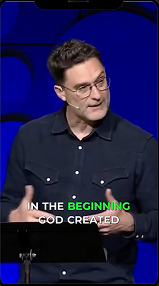
Clip Settings
Genesis
John 3:16
Psalm 23
Philippians 4:13
Proverbs 3:5
Romans 8:28
Matthew 5:16
Luke 6:31
Mark 12:30

 Click to upload
You can upgrade to a paid plan to set your clip settings

Cancellation
We’re sorry to see you end your subscription
Could you let us know why so that we can improve our ministry?
Create a new chatbot from a video of your church service

Embracing Equality: Women’s Role in Ministry
by Church of the Harvest  on Mar 16, 2025
Embracing Equality: Women’s Role in Ministry
Devotional
Day 1: Worship as a Daily Lifestyle
Worship is not confined to Sunday services; it is a daily lifestyle that encompasses every action, word, and attitude, reflecting our daily walk with God. Worship involves giving God our first and best, acknowledging His worthiness in every aspect of our lives. This understanding challenges us to live in a way that honors God continuously, not just during designated times of worship. By integrating worship into our daily routines, we align our lives with God's purposes and invite His presence into every moment. [00:00]
"Through him then let us continually offer up a sacrifice of praise to God, that is, the fruit of lips that acknowledge his name." (Hebrews 13:15, ESV)
Reflection: How can you incorporate worship into your daily routine beyond traditional settings, and what specific actions can you take today to honor God in your everyday life?
Day 2: Equality in Creation
The creation narrative reveals that men and women were created in God's image to rule together, without hierarchy. The fall introduced division, but Jesus came to restore what was broken, including the relationship and roles of men and women. This restoration calls us to recognize and embrace the equality and partnership intended by God from the beginning. By understanding this, we can work towards healing and unity in our relationships, reflecting God's original design for humanity. [56:31]
"So God created man in his own image, in the image of God he created him; male and female he created them." (Genesis 1:27, ESV)
Reflection: In what ways can you actively promote equality and partnership in your relationships, reflecting the unity and purpose God intended in creation?
Day 3: Contextual Understanding of Scripture
Scriptures often used to restrict women in ministry, such as 1 Corinthians 14 and 1 Timothy 2, must be understood in their cultural and historical context. These passages addressed specific issues in specific churches, not universal rules. By examining these scriptures with a fresh perspective, we can discern God's true intentions and avoid misinterpretations that lead to division. This approach encourages us to seek deeper understanding and apply biblical teachings appropriately in our lives today. [01:02:20]
"Do your best to present yourself to God as one approved, a worker who has no need to be ashamed, rightly handling the word of truth." (2 Timothy 2:15, ESV)
Reflection: How can you approach challenging scriptures with an open mind and seek to understand their context and application in today's world?
Day 4: Women Leaders in the Early Church
The early church had numerous examples of women in leadership roles, such as Priscilla, Phoebe, and Junia, who were recognized as leaders and teachers. The Holy Spirit empowers both men and women to prophesy and lead, without gender-based limitations. This understanding invites us to celebrate and support the diverse gifts and callings within the body of Christ, recognizing that God's kingdom is advanced through the contributions of all believers. [01:19:13]
"There is neither Jew nor Greek, there is neither slave nor free, there is no male and female, for you are all one in Christ Jesus." (Galatians 3:28, ESV)
Reflection: Who are the women in your community or church that you can encourage and support in their leadership and ministry roles today?
Day 5: Embracing a Kingdom Without Limits
The kingdom of God does not limit callings based on gender. We are called to embrace a kingdom without limits, releasing every gift and calling without restriction. As the kingdom of God advances, we are invited to be part of this movement, allowing God to use whoever He wills for His purposes. This perspective challenges us to remove barriers and support one another in fulfilling our God-given callings, contributing to the growth and impact of God's kingdom on earth. [01:26:32]
"And in the last days it shall be, God declares, that I will pour out my Spirit on all flesh, and your sons and your daughters shall prophesy, and your young men shall see visions, and your old men shall dream dreams." (Acts 2:17, ESV)
Reflection: What steps can you take to support and release the gifts and callings of those around you, regardless of gender, to further God's kingdom?
Sermon Summary
In today's gathering, we explored the often-debated topic of the role of women in ministry, emphasizing the importance of understanding scripture in its full context. Worship is not just a Sunday activity but a daily lifestyle, and this principle extends to how we interpret and live out the teachings of the Bible. We acknowledged the controversy surrounding women's roles in the church, a debate that has persisted throughout church history. Many churches face division over this issue, often due to differing interpretations of scripture. Our focus was on examining these scriptures with a fresh perspective, using context, biblical doctrine, and a messianic viewpoint to guide us.
We revisited the creation narrative, highlighting that men and women were created in God's image to rule together, without hierarchy. The fall introduced division, but this was not God's original plan. Jesus came to restore what was broken, including the relationship and roles of men and women. We delved into specific scriptures, such as 1 Corinthians 14 and 1 Timothy 2, which have been used to restrict women in ministry. By examining the cultural and historical context, we found that these passages were addressing specific issues in specific churches, rather than establishing universal rules.
The early church had numerous examples of women in leadership roles, such as Priscilla, Phoebe, and Junia, who were recognized as leaders and teachers. The Holy Spirit is poured out on both men and women, empowering all to prophesy and lead. The kingdom of God does not limit callings based on gender, and we are called to embrace a kingdom without limits, where every gift and calling is released without restriction.
As we move forward, we are challenged to align with scripture, take the limits off, and release every person to fulfill their God-given calling. The kingdom of God is advancing, and we are invited to be part of this movement, allowing God to use whoever He wills for His purposes.
Key Takeaways
- 1. Worship is a lifestyle, not confined to Sunday services. It encompasses every action, word, and attitude, reflecting our daily walk with God. Worship is about giving God our first and best, acknowledging His worthiness in every aspect of our lives. [00:00]
- 2. The creation narrative reveals that men and women were created in God's image to rule together, without hierarchy. The fall introduced division, but Jesus came to restore what was broken, including the relationship and roles of men and women. [56:31]
- 3. Scriptures often used to restrict women in ministry, such as 1 Corinthians 14 and 1 Timothy 2, must be understood in their cultural and historical context. These passages addressed specific issues in specific churches, not universal rules. [62:20]
- 4. The early church had numerous examples of women in leadership roles, such as Priscilla, Phoebe, and Junia, who were recognized as leaders and teachers. The Holy Spirit empowers both men and women to prophesy and lead, without gender-based limitations. [79:13]
- 5. The kingdom of God does not limit callings based on gender. We are called to embrace a kingdom without limits, releasing every gift and calling without restriction. The kingdom of God is advancing, and we are invited to be part of this movement. [01:26:32]
** [86:32]
Youtube Chapters
- [00:00] - Welcome
- [02:00] - Worship as a Lifestyle
- [05:00] - Celebration of Life for Susan Bennett
- [08:00] - Connection Form and Prayer Needs
- [12:00] - Announcements and Mission Trip
- [15:00] - Introduction to the Topic
- [20:00] - The Role of Women in Ministry
- [25:00] - Contextual Understanding of Scripture
- [30:00] - Creation Narrative and Equality
- [35:00] - Misinterpreted Scriptures
- [40:00] - Women Leaders in the Early Church
- [45:00] - The Kingdom Without Limits
- [50:00] - Call to Action and Prayer
- [55:00] - Invitation to Surrender to Jesus
- [60:00] - Closing and Worship
Bible Study Guide
**Bible Reading:**
- Genesis 1:27-28
- 1 Corinthians 14:34-35
- 1 Timothy 2:11-12
---
**Observation Questions:**
- According to the sermon, how does the creation narrative in Genesis 1:27-28 describe the roles of men and women before the fall? [56:31]
- What specific issues in the Corinthian church does the sermon suggest Paul was addressing in 1 Corinthians 14:34-35? [01:05:43]
- How does the sermon explain the cultural context of 1 Timothy 2:11-12, particularly regarding the influence of the cult of Artemis in Ephesus? [01:22:32]
- What examples of women in leadership roles in the early church were highlighted in the sermon? [01:19:13]
---
**Interpretation Questions:**
- How does the sermon interpret the phrase "created in God's image to rule together" in Genesis 1:27-28, and what implications does this have for understanding gender roles in the church? [56:31]
- In what ways does the sermon suggest that the passages in 1 Corinthians 14 and 1 Timothy 2 have been misinterpreted or taken out of context historically? [01:02:20]
- How does the sermon propose that Jesus' mission included restoring the relationship and roles of men and women? [56:31]
- What does the sermon suggest about the role of the Holy Spirit in empowering both men and women for ministry, and how does this relate to the concept of a "kingdom without limits"? [01:26:32]
---
**Application Questions:**
- Reflect on your understanding of worship as a lifestyle. How can you incorporate worship into your daily actions, words, and attitudes beyond Sunday services? [00:00]
- Consider the creation narrative's depiction of men and women ruling together. How does this perspective challenge or affirm your views on gender roles in your church community? [56:31]
- The sermon emphasizes the importance of understanding scripture in its cultural and historical context. How can you apply this approach to other controversial topics within your faith community? [01:02:20]
- Think about the examples of women leaders in the early church mentioned in the sermon. How can these examples inspire you or others in your community to embrace their God-given callings? [01:19:13]
- The sermon challenges us to align with scripture and release every person to fulfill their calling. What steps can you take to support and encourage others in your church, regardless of gender, to pursue their ministry callings? [01:26:32]
- Reflect on any preconceived notions you may have had about women's roles in the church. How has this sermon influenced your perspective, and what changes might you consider making in your attitudes or actions? [01:29:58]
- The sermon invites us to be part of a "kingdom without limits." What specific actions can you take this week to contribute to a church environment that empowers all individuals to serve and lead? [01:33:30]
Sermon Clips
"The first point, remember, we really just covered Genesis 1, 2, and 3. We were talking about identity, who God created us to be. And so first thing we talked about was men and women were created in God's image to rule together. And so from the very beginning, from the garden, God gave the same blessing, the same command, the same authority to both man and woman." [01:00:00] (19 seconds) Edit Clip
"Jesus restores equality in the kingdom. And so we talked about how when Jesus showed up, he didn't just come to save souls. He came to restore what had been broken. It's a lot more than just the curse of sin. There was a lot more that came with that. Jesus came to restore what was broken. And part of that, part of what sin broke was the relationship of men and women, the roles of men and women, which how many of you know impacts humanity as a whole?" [01:01:16] (26 seconds) Edit Clip
"We're calling it a kingdom without limits. We're going to take the limits off. And guys, a kingdom without limits does not twist scripture to fit tradition. It doesn't twist scripture to make us feel better and feel more comfortable. It follows scripture wherever it leads, even if it makes us feel uncomfortable, even if it challenges things that we thought that we knew." [01:04:47] (23 seconds) Edit Clip
"Women wanted the control and dominance in ancient Ephesus. Guys, Paul was addressing false teaching about what was happening in the church in Ephesus, where women from the cult of Artemis were coming in and trying to take over and hijack what God was doing. It was an extreme feminist movement that wanted to dominate men. That's why the word authentian is used. Look it up. You'll find it." [01:22:32] (30 seconds) Edit Clip
"So if Paul meant that women were to never teach and remain silent, why would he work alongside and commission so many women in ministry? And the last thing I thought about in this is if we are going to use one verse to ban all women from teaching and leading, why don't we use the many verses where we see women who are teaching and leading?" [01:26:28] (29 seconds) Edit Clip
"As we look at scripture, we don't see hierarchy in calling. We see, actually what we see is the Holy Spirit poured out on both men and women equally. And we actually see that in Acts chapter 2. It says, in the last days, you guys know this, it shall be, God declares, that I will pour out my spirit on all flesh. There it is. On your sons and on your who? Your daughters. They shall prophesy." [01:27:18] (24 seconds) Edit Clip
"Will we stay caught and stuck in the same rut that we've been stuck in for centuries? Or will we align with scripture and take the limits off and release every person and every gift and every calling without restriction? Guys, the kingdom of God does not shrink back. The kingdom of God is pressing forward. Amen?" [01:30:13] (31 seconds) Edit Clip
"Man, and have you know that worship is the life that we live every day, right? It's not just, as we always say, it's not two fast songs or two slow songs on Sunday morning. Worship is every day. It's every step that we take, every word that comes forth from our mouth, every attitude of our heart, right? Everything. It's all a worship." [00:49:03] (18 seconds)
Edit Clip
"The first point, remember, we really just covered Genesis 1, 2, and 3. We were talking about identity, who God created us to be. And so first thing we talked about was men and women were created in God's image to rule together. And so from the very beginning, from the garden, God gave the same blessing, the same command, the same authority to both man and woman." [01:00:00] (19 seconds)
Edit Clip
"Jesus restores equality in the kingdom. And so we talked about how when Jesus showed up, he didn't just come to save souls. He came to restore what had been broken. It's a lot more than just the curse of sin. There was a lot more that came with that. Jesus came to restore what was broken. And part of that, part of what sin broke was the relationship of men and women, the roles of men and women, which how many of you know impacts humanity as a whole?" [01:01:16] (26 seconds)
Edit Clip
"We're calling it a kingdom without limits. We're going to take the limits off. And guys, a kingdom without limits does not twist scripture to fit tradition. It doesn't twist scripture to make us feel better and feel more comfortable. It follows scripture wherever it leads, even if it makes us feel uncomfortable, even if it challenges things that we thought that we knew." [01:04:47] (23 seconds)
Edit Clip
"Women wanted the control and dominance in ancient Ephesus. Guys, Paul was addressing false teaching about what was happening in the church in Ephesus, where women from the cult of Artemis were coming in and trying to take over and hijack what God was doing. It was an extreme feminist movement that wanted to dominate men. That's why the word authentian is used. Look it up. You'll find it." [01:22:32] (30 seconds)
Edit Clip
"So if Paul meant that women were to never teach and remain silent, why would he work alongside and commission so many women in ministry? And the last thing I thought about in this is if we are going to use one verse to ban all women from teaching and leading, why don't we use the many verses where we see women who are teaching and leading?" [01:26:28] (29 seconds)
Edit Clip
"As we look at scripture, we don't see hierarchy in calling. We see, actually what we see is the Holy Spirit poured out on both men and women equally. And we actually see that in Acts chapter 2. It says, in the last days, you guys know this, it shall be, God declares, that I will pour out my spirit on all flesh. There it is. On your sons and on your who? Your daughters. They shall prophesy." [01:27:18] (24 seconds)
Edit Clip
"Will we stay caught and stuck in the same rut that we've been stuck in for centuries? Or will we align with scripture and take the limits off and release every person and every gift and every calling without restriction? Guys, the kingdom of God does not shrink back. The kingdom of God is pressing forward. Amen?" [01:30:13] (31 seconds)
Edit Clip
Y'all, welcome! Good morning, everybody. Y'all give the worship team a hand. Guys, love. How many of you love worshiping the Lord? Man, and how many of you know that worship is the life that we live every day, right? It's not just, as we always say, it's not two fast songs or two slow songs on Sunday morning. Worship is every day. It's every step that we take, every word that comes forth from our mouth, every attitude of our heart, right? Everything. It's all a worship.
Guys, so thank you so much for being here. Man, thank you to those who, man, I don't know how many of you were here yesterday, but we had a great celebration of life for Susan Bennett. Man, what a powerful time together. Thankful to have Rick with us this morning, joining us for service. And speaking of worship, that's the man who taught me how to worship. I learned how to worship sitting under Rick and Susan. Absolutely. That's when I developed a love for worship. But we're so glad to have him with us this morning.
Guys, welcome. Thank you so much for being here at Harvest. It's a privilege. Guys, thank you so much for taking the first of your week. How many of you know we serve a God who deserves our first and our best? He's worthy. And so thank you for giving the first of your week and coming and worshiping him here together with us. I know we've got a crew online. Y'all give our online folks a hand. Thank you for joining us. I know we've still got folks out of town for spring break and different things like that and people joining us from different places. And so we are certainly thankful.
Every week we ask everybody to fill out our connection form. And if you're part of the Harvest family, you're very familiar with this. Yes, you can see the link on the screen or you should on one of the chairs in front of you. There should be a QR code you can scan as well. And it will take you to that connection form. If you would take a second to fill that out, we would certainly appreciate it. If you're part of the Harvest family, it allows us to know that you are here and to make sure that your information is up to date. But if you're a guest with us, it allows us to also get some information from you and reach out to you and let you know how much we appreciate your visit and answer any questions you may have.
There's also a place at the bottom of that form to fill out your prayer needs. Whatever it is you believe in God for, we serve a God who answers prayer. And we believe in the power of agreement. And so we have a prayer team in place that is committed to every day this week, they're going to be praying over your prayer needs. And so take a second, fill out your connection form, put your prayer needs down at the bottom and submit that. And we're just believing for breakthrough in your life this week in Jesus' name. Amen.
If you are a guest with us and you haven't yet done so, if you would on your way out, stop at the connection desk. There's somebody there that would love to meet you. And they'd just like to communicate how much they appreciate you visiting with us and they have a gift for you.
A couple quick announcements and then we'll get on with it. Any shouts over that one? Okay. Absolutely. All right. Y'all give Pastor Sean a hand.
So, guys, excited? We've got some great things coming up. Yeah, the mission trip interest meeting after church, after this service. Yeah, y'all. How many of you have been out to the Apache, have been out to the reservations? Got quite a few in the room. Yeah, guys, be a part of that. At least come to the interest meeting and check that out. That's going to be awesome.
Hey, and also with that in mind, I know Andrew is headed to AMT in May. When is it? When are you leaving? May 7th. Headed off for advanced missions training. I know that he's, yeah, I'm excited for him. I know that he has raised about half of his funds, and he's hitting up that deadline. So, you guys, let us know. Actually, you can give online. It's when you give online to the church. There's a place, a drop-down box, I believe. It says Missions Andrew Branch. And you can give that way, or obviously you can give by check or cash. Just put his name down there, Andrew Branch.
But anyway, we welcome you again to Harvest. Guys, we're family Christ followers. We love God. We love people. We serve the world at the hands and feet of Jesus. Are you part of the Harvest family? What's our vision? It's getting a little better. Man, I don't know if we can clap on beat, but we'll see if we can.
We do all this through what? Community, discipleship, and outreach. All right. Well, guys, we are continuing today on a subject. What is the subject? Kingdom without limits. It's the role of women in ministry. Whoa. That sounded like ladies.
Hey, guys, as Pastor Shauna said, we do have a lot of new folks in the church. And we recognize that a lot of people come in and have been taught a lot of different things and have a lot of different mindsets. And you don't have to be part of Harvest Long to see our culture and know what we're about and where we stand on this matter.
But it leaves questions to be answered is what I've found. And this is something the Lord had really placed in my heart over the last year to discuss and finally found the perfect time to do it. So recognizing kind of as I started talking about last week, I know this is a controversial subject today. But it's been a controversial subject since the beginning.
It's, you know, as we look back through more modern-day church history, I mean, the last, you know, over the last century, this is a controversial subject. We know that there are many churches right now. And they're primarily denominational churches that are shifting because of this subject, that are leaving their denominations or getting kicked out over their views on this matter.
And the funny thing is most of these churches, they're not even trying to appoint women as lead pastors or anything like that. They just want to give women the opportunity to simply be able to teach and to lead and to be able to shepherd a people.
And so the question, you know, that we're looking at here is, are these folks, are these churches, are they simply worldly compromisers, which we've been called? Every time we put up a picture on social media that shows a woman just standing on the stage, we get hate mail and scriptures quoted at us and everything else. It's like, my goodness, wow. Are we just worldly compromisers or does the word of God say something different than what many of us have been taught?
And so it's something that we need to talk about. So we're going to use scripture and we're going to look at some specific scriptures in context today that have been debated for centuries.
Now, as I mentioned last week, some of y'all remember last year I did a series called Does the Bible Really Say That? And I think we just spent three or four weeks. And I broke down some different statements that we're hearing commonly in the church today that sound good and sound like something that may be biblical.
But when we really break it down, and I gave you guys three tools we used to break things down in scripture, we found that those things probably are not accurate. No, that statement is not actually in the word of God. And so those three tools that we talked about are the same tools we're using to break down this topic.
What's the first one, y'all remember? Context. Context. The story behind the passage. The example I keep using is if I were to hand you a history book and you were to read two or three or four sentences out of that history book, do you know history? No. You know maybe a little something that probably makes no sense because you don't have any context to it, right? And so we have to look at things in context.
The next thing we talked about was biblical doctrine. Basically looking at the heart and the character of the word of God as a whole. How many of you know it's important that we look at the word of God as a whole? And so we read some obscure text, some obscure passage, and we find ourselves confused about it. But what we need to do is look at the word of God in its totality. What we're really doing is looking at the heart of God from Genesis to Revelation.
And then finally, the last thing I told you guys that we've used is the messianic perspective. How many of you know that it's important that we don't look at the Bible as simply just like a history book? The Bible is the inspired word of God, and we look at it through the lens of the life, death, burial, and resurrection of Jesus Christ. Because you may not recognize this, but everything in the word of God points to Jesus. From Genesis to Revelation, everything points to Jesus.
And so we look at it through the messianic perspective. What does Jesus say about this? What part does Jesus play in this? So again, I encourage you guys to be very open. I gave you three things last week, three points we made as we started this.
The first point, remember, we really just covered Genesis 1, 2, and 3. We were talking about identity, who God created us to be. And so the first thing we talked about was men and women were created in God's image to rule together. And so from the very beginning, from the garden, God gave the same blessing, the same command, the same authority to both man and woman.
As a matter of fact, we talked about before the fall, we don't see any hierarchy of any kind in Scripture. The second thing I mentioned was the fall introduced division, but that was not God's original plan. So as a result of sin, division comes. And this is where God says to Eve, he says, "You will desire to control your husband, but what's he going to do? He's going to rule over you," right?
And so the first time in regards to humanity, we see domination. We see control. It enters the picture. And so this beautiful partnership that God created between man and woman is suddenly disrupted. And not because it was God's design, but because sin distorted it. How many of you know sin distorts and perverts?
And the last thing we mentioned was Jesus restores equality in the kingdom. And so we talked about how when Jesus showed up, he didn't just come to save souls. He came to restore what had been broken. It's a lot more than just the curse of sin. There was a lot more that came with that. Jesus came to restore what was broken. And part of that, part of what sin broke was the relationship of men and women, the roles of men and women, which how many of you know impacts humanity as a whole?
And so anyway, we're going to move on. If you've got your Bible, you can follow along with us. I'm really going to be jumping into it. We're going to be primarily in 1 Corinthians, at least to start anyway. If you have your Bible, if you have the YouVersion Bible app, you can hit more down at the menu that says more, and you can hit events, and our notes will pop up on your screen for you there on your mobile device.
And so I was just thinking about this as we're talking about this subject, and I was wondering how many of you can remember something that maybe you heard at one point in your life, and you heard it so many times that you believed it to be true? We can hear something over and over and over again, and we get to this place where we begin to believe that it's true, not because we studied it, not because we researched it, not because we tested it, but because we were simply told it over and over again, and we became convinced that this was truth in our life, and we didn't question it.
Well, you know, it's funny how that spills over. Even when you look at the church, you know, as a non-denominational church, we have people from all different backgrounds, and there's some of you that before you came to Harvest, you had certain preconceptions and certain mindsets and things that you had been taught for years and years and years, and you came, and all of a sudden you started hearing things a little bit differently, and we encourage you to get into God's Word, and all of a sudden your eyes were open to things that maybe you wouldn't have been open to a year or two or three earlier, right?
And so when we're told something over and over again, we can begin to believe it. And so we're talking about women and their role in the church. So for centuries, the church has taught that women should not lead, that women should not preach, that women actually should remain silent. How many of you have heard that before? Women's place in the church is to remain silent.
And so when challenged, it's funny, most people who say these things, those are people who send us hate mail and different things. They can't really back it up. They send one or two scriptures that we're going to talk about today, but they don't know anything beyond that. They haven't researched this stuff. They haven't looked into it. They haven't looked at it in context. They simply say, "That's what the Bible says. Women are to remain silent."
The Bible says a lot of things. We've got to look at it in context, right? So the question is, what if there, are you open enough to recognize that there's a possibility that there's things that you were taught in your life that maybe aren't accurate? Things that you've been taught, maybe that have been twisted. What if some of the verses that have been used to restrict women are not actually saying what we think that they're saying?
What if, rather than limiting women, what if God has been releasing them all along? Are you open to the idea? Are you open to the thought? So today, we're going to, I'm going to jump in and we're going to talk about a couple of what I believe are a couple of the most misinterpreted passages in scripture. And we're not going to look at them through tradition. We're not going to look at them through assumptions. We're going to let the Bible interpret itself through context. That sound good?
We're calling it a kingdom without limits. We're going to take the limits off. And guys, a kingdom without limits does not twist scripture to fit tradition. It doesn't twist scripture to make us feel better and feel more comfortable. It follows scripture wherever it leads, even if it makes us feel uncomfortable, even if it challenges things that we thought that we knew.
And so we're going to be looking, like I say, at a couple of the most debated verses on this topic. Are you all ready? All right, here we go. Number one, did Paul really say women must be silent? Did Paul really say women must be silent? Well, we need to go to the word that's found. That is found in 1 Corinthians chapter 14. And so if you've got your Bible, you can turn there and we're going to take a look at this for just a minute.
All right, 1 Corinthians 14 verse 34. Here's what it says. The women should keep silent in the churches. Well, I think I'm done for today. The end. It's all over. Some of you women who are laughing, be silent. Be quiet. No, I'm just kidding. Dad said dangerous. The women should keep silent in churches. So number one, does the Bible, did Paul say that? Actually, he did say that. But might I suggest we keep reading?
For they are not permitted to speak. This isn't getting better. But they should be in submission, as the law also says. If there's anything they desire to learn, let them ask their husbands at home. For it's shameful for a woman to speak in church. Somebody say yikes. Woo! Do you see why this is one of the primary scriptures used against women in ministry? For many, this is the end of the conversation. Paul said it. The Bible says it. Women must be silent. Case closed. We're done.
Guys, there's several issues here. First thing is, first problem is, when looking at biblical doctrine, nowhere in the Old Testament does it say that women must be silent and should remain in submission. And what he says, he says that, and it says, as the law also says. You actually don't find that in the Old Testament. It doesn't say that.
So that should be the first question that enters our mind. If we can't find what Paul is referring to here, where is this coming from? The next thing I was looking at was, what's another thing that's interesting about this passage is, three chapters earlier, Paul contradicts himself. Three chapters before this. And if you want to jump back in 1 Corinthians chapter 11, or you can just look on the screen. Now listen, this is going to be confusing as well. We're going to talk about it.
1 Corinthians 11 verse 5 says, every wife who prays or prophesies with her head uncovered dishonors her head. Okay, I know there's going to be a second question here, okay? But the first thing is, firstly, did Paul say that a woman dishonors herself or dishonors her head if she prays and prophesies? Not at all. He says that she prays and prophesies with her head uncovered.
So that would tell me that there is a liberty for women to pray and prophesy. He's giving understanding as to the order into which this should happen. We're going to answer the other question. Hang on. So, three chapters before what we just read a minute ago, Paul acknowledges that women are praying and prophesying. And if they were supposed to remain completely silent, then why is Paul giving them instructions on how to pray and prophesy? Does that make sense?
Could it be that Paul wasn't making a universal rule here? Could it be that he was addressing an issue, a specific issue in a specific church? I'm going to show it to you. By the way, let's hit that other part of that real quick. Yeah, leave that up there for just a minute. The whole head covering thing. Every wife who prays or prophesies with her head uncovered dishonors her head.
I don't currently see any head coverings. We're not going to go to the church in this place. You guys, we have to look at this partially through the context of history in first-century Corinth. Corinth was in Turkey, Greece. Turkey is in Greece. In first-century Corinth, a woman's head covering was a symbol of modesty and even relationship status. An uncovered head of a woman, I'm not talking about within the church, I'm talking about in that society, in that culture, a woman with an uncovered head was associated with promiscuity and rebellion.
So that's the way culture looked at a woman without her head covered. What is promiscuity? I know it's not a word that we use a whole lot today. I looked it up in a Greek dictionary. It refers to engaging in multiple sexual relationships or encounters without commitment or exclusivity. So in the culture that he's writing to in the church in Corinth, in that culture, a woman with her head uncovered was considered promiscuous.
Paul just wants everybody to come to Christ. He's drawing them all into the church, into the flock, into the gathering. We see that women are praying and prophesying, and he's going, "Wow, you know, if we turn them all off before they come in the door and they see women leading with their heads uncovered and immediately think they're promiscuous, we're not going to reach folks." Does this make sense? You seeing some context?
So that's kind of the head covering issue. But one of the most important issues I think that we take away from this is that, guys, Paul expected women to pray and prophesy within the church. In these passages, I don't believe that Paul was making universal rules; he was simply, as I say, correcting specific issues within a specific church, which in this case was the church in Corinth.
And let me tell you, if you study it, the church in Corinth was a chaotic mess at this time. As a matter of fact, when you look at it, if you've ever read the book of 1 Corinthians, it's a letter of correction. He's bringing correction because there was chaos that was going on. There were all kinds of things in this chapter. He's trying to bring order to their church gatherings because people kept talking over each other, and they kept interrupting, and they kept causing confusion within the church gathering.
So he writes this letter telling them how to bring order to their church gatherings as they would get together. And actually, if you look, if you read 1 Corinthians 14, if you go back further in the chapter, I'm not going to read it all, but 1 Corinthians 14, you can look verses 26 through 33, but you can see different things in it. I'm not going to read all that, but he says, "Let all things be done for building up." If he says that, that would tell me that there were things being done within the church that were not building up and edifying. He's bringing correction to that matter.
He says different things in there. "If there's no one to interpret, let each keep silent in the church, for God is not a God of confusion but of peace." He's bringing order into the church gathering. And then the next verse he says in verse 34, he says, "Women are to keep silent, should keep silent in the churches." And guys, here's what I would say: Paul wasn't telling all women to never speak; he was actually telling a specific group of women to stop disrupting the church gathering, the worship of the saints together.
Also, another thing just to mention, and this is just a cultural thing, in that day, women were not educated and men were. Women generally could not read; only the highest tiers of society could afford to educate their girls. Very few could read or do anything; they were not educated generally in any way except in household matters by their mothers. But young men, the men were all educated in Greece.
And so you've got many scholars who believe that women were interrupting the gathering because they kept stopping, and they couldn't read; they didn't understand some of the very basics and fundamentals of what was being taught, and they were constantly interrupting and asking questions. And I believe what Paul was actually saying here was, "Ask after service. Ask your husband after service about all these other matters because we can't keep disrupting the service over all these other things, all these smaller issues that have already been addressed."
And so I believe that this was not a universal ban on women speaking; I believe it was a correction for chaotic behavior. And by the way, I'm going to give a lot of examples today, but we know that one of Paul's very own ministry partners, one of his closest ministry partners, was a woman. Guys, Paul was not against women speaking; he actually trained them to be leaders.
If you look at Romans chapter 16, and we're going to talk about this a bit; we'll come back to it some more in a few minutes. But in Romans chapter 16, verses 1 and 2, Paul says, "I commend to you, I send to you our sister Phoebe, who is a servant of the church which is in Sincrea, that you receive her." He's saying, "Please receive her in the Lord in a manner worthy of the saints and that you help her in whatever matter that she may have need of you, for she herself has also been a helper of many and of myself as well."
Paul commends Phoebe. He actually directly calls her a deacon, and he tells the Romans to receive her. He wasn't going. He sent Phoebe, and he's basically saying, "Receive her in my place," and he's asking them to receive her with authority.
Let me give you another example. Acts chapter 18, and I know I'm jumping around a bit today, but just bear with me. If you need to just follow along the screen, you can do that. But in Acts chapter 18, verse 26, it says, "Now a Jew named Apollos, an Alexandrian by birth, and an eloquent man, came to Ephesus, and he was mighty in the scriptures. This man had been instructed in the way of the Lord, and being fervent in spirit, he was speaking and teaching accurately the things concerning Jesus, right? That's good. But he was only acquainted with the baptism of John, baptism in water.
And he began to speak out boldly in the synagogue without full revelation. And so what happened? But when Priscilla and Aquila heard him, they took him aside and explained to him the way of God more accurately. Now, who are Priscilla and Aquila? Most of you probably know Priscilla and Aquila. We know they were tent makers, like Paul, and we know that they were both influential leaders in the early church.
The interesting thing about ancient times, when you look at it, usually, when it comes to a household, usually the man is the one who's named in a household. Usually not the woman. If a couple is named, usually the man would be named first. Unless the woman, there was something notable about the woman. Like, for instance, we don't usually say Joseph and Mary. We say Mary and Joseph because Joseph played kind of a more minor role in the story, right?
And so, and that may be just kind of more us. But in this, we see that it's Priscilla and Aquila. And in this case, Priscilla is the wife, and Aquila is the husband. And Priscilla is mentioned first, which scholars find very, very interesting. Many theologians believe that Priscilla's name is actually listed first in ministry matters because many believe that she actually took the lead in ministry matters.
That we can't know this for certain, but many believe that Aquila actually took care of more of the business matters, while Aquila took care of more of the ministry matters. And in this case, we're talking about Apollos, and it may have very well been that, as I read, many theologians believe that she actually took the lead in instructing Apollos in the ways of God more accurately.
Guys, I do not believe that for a second that Paul was against women prophesying or praying. I don't believe for a second that Paul was against women preaching. He was against disorder in worship in the church gathering. If Paul truly meant that all women were to remain silent forever, why would he commission so many women in ministry?
And we're going to look at a bunch of them here in just a minute. But that takes me to a second question. Number two, does 1 Timothy 2:12 mean that women can never teach? Let's look at what it says. 1 Timothy 2:12, does it mean that women can never preach? Here's what it says. "I do not permit a woman to teach or to exercise authority over a man; rather, she is to remain quiet."
If that was the end of the story, it'd be very interesting. But here's the thing. This is probably the most quoted scripture in the Bible to keep women from preaching or teaching or even having leadership or authority within the church. But there's a couple of things that are forgotten in this.
Number one, 1 Timothy was a letter that Paul wrote to who? To Timothy. Where was Timothy at the time? Anybody know? He was in Ephesus. So he's writing to Timothy who's helping lead the church in Ephesus. He's writing this letter to the church in Ephesus through Timothy. Does this make sense?
So he's writing this for the church in Ephesus. I don't believe that he was establishing universal law in this. I believe, again, that Paul's command was for a specific issue in a specific church. In this case, it would be the church in Ephesus.
So in this passage, let's again, let's address a couple different things. And it says, "I do not permit a woman to teach or to exercise authority over a man. Rather, she is to remain quiet." So let's come back to the teaching part in a second. Let's go to the, "I do not permit a woman to exercise authority over a man. Rather, she is to remain quiet."
Well, many will look at that and go, "That's right. She's to be in submission. The man, you know, she's the..." Okay, let's look at it for a minute. In this, the word authority, "I don't permit a woman to exercise authority." The word authority is the Greek word authenticion. Everybody say authenticion. Authenticion is the word that is translated authority.
The interesting thing about this, what's notable about this is the word authenticion is only found one time in all of scripture, right here in this passage. The only time this word is ever used. Now the word authority is in the Bible, in our Bibles over and over and over again, right? It's a different word.
But in this case, it's the word authenticion, and it was translated authority because we don't have a better translation for it. And so here's the deal with that. It's different than the normal word that we translate authority because it doesn't describe healthy leadership. As a matter of fact, it implies negative domineering and abusive control.
That change your perspective a little bit? As a matter of fact, if you go back like I did and you look at a couple of Greek dictionaries, the word authenticion, I'm sorry, Greek dictionaries, the word authenticion can more accurately refer to, listen to this, domineering control, self-appointed authority, aggressive authority, and it can even refer to acting violently and inappropriately in a role of authority.
Does that make more sense? A woman is not to exercise authenticion over a man. Guys, looking at big old doctrine, looking at big old doctrine, forgetting the scripture for a minute. Do you think God would ever want a woman to exercise authenticion over a man, domineering, even violent control? Would God want a man to exercise authenticion over a woman? No.
That tells me there's something else going on right here because he only addresses the woman. So we got to dig in a little further. Paul also says in this passage, "I don't permit a woman to teach. She's to remain quiet." And so guys, we've got to look at history here. So this is Ephesus. In Ephesus, you had the cult of Artemis.
Yeah, y'all know Artemis was a Greek goddess, right? Sean and I have been to Ephesus. We've seen the ruins of the temple of Artemis. It was one of the seven wonders of the world. The cult of Artemis was a huge, it was the major religious driving force in Ephesus, and it played a significant role in their economy. Y'all remember when Paul got in all kinds of trouble because, well, the church did and Paul did because the guys who were making idols to Artemis went out of business. Riots broke out, and they all went into the amphitheater and all that mess. I mean, they were serious about this.
The cult of Artemis had great influence in Ephesus, in its culture, and especially in opposition to Christianity. At the same place where Paul cast the demon out of the fortune-telling woman, and I mean, it was something. So Artemis of Ephesus was one of the most widely worshipped deities in the Greco-Roman world, and her cult had a profound influence, get this, on gender roles, particularly elevating female leadership and priesthood over men.
The cult of Artemis promoted extreme female dominance, whereas Christianity promoted mutual submission and servant leadership. Women wanted the control and dominance in ancient Ephesus. Guys, Paul was addressing false teaching about what was happening in the church in Ephesus, where women from the cult of Artemis were coming in and trying to take over and hijack what God was doing.
It was an extreme feminist movement that wanted to dominate men. That's why the word authentician is used. Look it up. You'll find it. Paul's statement was not about women not teaching; it was about keeping false teachers from hijacking the church. Again, it was about order within the church gathering.
By the way, there are lots of examples of women leading and teaching in the early church. And I just, I got a list going, and I think I'm gonna put a few of them up on the screen. And a couple we've already talked about. The first one being Priscilla. And I got scripture references there. We know she taught Apollos, a highly educated teacher. Paul calls Priscilla and Aquila fellow workers in Christ. The same words he used to refer to fellow ministers. The same words he used to refer to the apostles.
We had Phoebe, who we just talked about a minute ago in Romans 16. He refers to her as a deacon. He also refers to her as a patron, meaning she financially supported and likely led in ministry. And as a matter of fact, we read about how he asked the church in Rome to receive her. Remember that? Because actually Paul didn't go. Paul entrusted her with delivering and explaining the letter to the church in Rome. You know, Phoebe is actually the one that took it. He sent a woman to take this letter to the church and to teach it, to give it to them.
You have Junia in Romans 16, described by Paul as outstanding among the apostles. Many believe that she was a ministry leader, a church planner, and quite possibly an apostle. Junia likely had a leadership role and a teaching role in spreading the gospel. There were the four daughters of Philip in Acts 21. They are described as prophetesses, meaning, guys, they spoke the very word of God to exhort and to instruct the church.
Prophecy in the New Testament often included teaching and exhortation. You have in Philippians 4, you have Euodia and Syntyche. Paul calls them co-workers in the gospel, just like he referred to other ministers, just like he referred to the apostles, co-workers in the gospel. And we know that they were involved in church leadership in the church in Philippi.
In Romans 16, we have Mary, Trophana, Trophosa. I wrote these down so I could say them. And then Perses. Paul describes them, he calls them workers in the Lord, meaning they co-labored in ministry. They likely taught and evangelized and discipled believers. In Acts chapter 16, you have Lydia. We know Lydia was a wealthy businesswoman. I think we talked about her a little bit last year. And I believe she was like the first European convert.
And we know that she hosted a church out of her home in Philippi, and she is considered a church founder and church leader. And I got to believe that she was a church teacher. You've got Nympha in Colossians chapter four. She also started a church out of her home in wherever that was. I don't remember. And then you had the women who prophesied in Corinth, the 1 Corinthians chapter 11, which was acknowledged a minute ago where Paul acknowledges these women that are praying and prophesying publicly, meaning they were engaged in exhorting the church and giving the very word of God to the church of Jesus Christ.
So if Paul meant that women were to never teach and remain silent, why would he work alongside and commission so many women in ministry? And the last thing I thought about in this is if we are going to use one verse to ban all women from teaching and leading, why don't we use the many verses where we see women who are teaching and leading?
So last question with all that said, does the kingdom of God limit callings based on gender? Well, we looked at last week, Galatians 3:28. There's neither Jew nor Greek, slave or free, male or female, right? You are all one in Christ Jesus. For generations, people have divided gifts and callings based on gender. Men preach, men lead, men start ministries, but do we see God separating callings based on gender?
As we look at scripture, we don't see hierarchy in calling. We see, actually what we see is the Holy Spirit poured out on both men and women equally. And we actually see that in Acts chapter 2. It says, "In the last days, you guys know this, it shall be, God declares, that I will pour out my spirit on all flesh." There it is. "On your sons and on your who? Your daughters. They shall prophesy. Even on my male servants and female servants those days, I will pour out my spirit and they shall do what? Prophesy."
How many of you would agree that we are in the last days and God is pouring out his spirit? He's continually pouring out his spirit. And it's not just on men. He's pouring out his spirit on men and women, on his sons and on his daughters. He didn't say men are going to do all the leading and I want women just to support that. That's not what he said.
He said, "My spirit will be poured out on my sons and my daughters." And he's showing there that both men and women are going to do a great work for him. So we see in scripture that God commissions men and women. And we're going to talk more about that in the next couple of weeks. But guys, if God doesn't see gender as a qualification for ministry, why is the church so hung up on it?
And we were talking about this in our community group on Wednesday night. It's so funny because people get just raging angry over this. I mean, they'll just turn red and get so mad. And you're like, "Wow, goodness, can we just relax for a minute? We can talk about this, you know?" And there's a lot of bigger issues in the word of God, are there not?
So if God doesn't see gender as qualification for ministry, why do we? If the Holy Spirit is being poured out for the work of ministry on both men and women, why would we only receive half of humanity when God is receiving all? Why would we only allow half of humanity to be used for the work of ministry? What's going to happen when we take the limits off?
So today we've seen the truth about these misinterpreted scriptures. I want to invite the worship team to come on up. We're going to start landing this plane here. We've seen how context matters and we've seen that God has been calling men and women all along.
So the question is, will we stand in the way of those that God is calling? Or will we step into a kingdom without limits? And with that, we have... a choice to make. Let's all stand up together. Will we keep doing the same things as the church of Jesus Christ that we've always done? Will we stay caught and stuck in the same rut that we've been stuck in for centuries? Or will we align with scripture and take the limits off and release every person and every gift and every calling without restriction?
Guys, the kingdom of God does not shrink back. The kingdom of God is pressing forward. Amen? No matter what happens, no matter what you see in the world, no matter what happens in politics, the kingdom of God presses forward. Amen? The kingdom of God doesn't stay silent. The kingdom of God empowers. The kingdom of God does not divide. The kingdom of God mobilizes men and women to do the work of ministry, to spread the gospel, the good news of Jesus Christ.
So here's the question. Are we willing to allow God to send who he wills? Do we believe that God empowers those that he calls? Or are we going to keep trying to tell him who he can and cannot use?
So last week, I loved it. I got so much feedback. At the end of services, we just talked about who God created us to be. As we looked at the book of Genesis, we had so many women stand up, especially in second service. Man, we had so many women stand up and said, "Man, I recognize the words that have been spoken over me my whole life. The things that I'd always been told. I'd always been told that my place was to stay in the background, to kind of stay back and sit down and be quiet and let somebody else lead. And I always felt restricted. And I felt this gift and this calling, but I had put it on the shelf because I was told that wasn't for me."
And so many of you that said, "Man, there was such a freedom and such a weight that was lifted, you know, in the midst of that." And I'm so glad. And I'm not going to do the same thing today. I want to keep talking about this for a couple more weeks. There's a few more things I really want to say in this.
But here's what I would say, guys. The kingdom doesn't shrink back. The kingdom steps forward. So no matter what you've been told, no matter what's been spoken over your life, no matter what you've been taught, dig into the Word of God yourself and move forward. Move forward with the giftings and the callings that God has placed on your life. I challenge you. Stop second-guessing your calling. If you've been doing that, man, step into it. Because we live in a kingdom without limits, and it's time that we act like it. Amen? Amen?
Let's just bow our heads for just a moment. We thank you, God. Praise your name, Lord Jesus. Just press in for just a moment. Holy Spirit, thank you for sweeping through this place. Thank you for doing your work in hearts and lives. Praise your name, God.
Lord, we recognize that we belong to you. We've laid down our lives for you. Lord, we've surrendered ourselves for the sake of Jesus Christ, for the gospel. Lord, we surrender to your word this day in Jesus' name. We submit to your calling, not limitations. Lord, we align our heart with your kingdom, not our comfort zones, Lord.
Lord, we thank you for who you are. We thank you for choosing us. Today, we declare no more limits in Jesus' name. No more silence. No more hesitation. No more holding back. We choose to press forward in you in all that you have for us, God.
Lord, we want to be right in the middle of what you're doing in the earth today. We want to be right in the middle of what you're doing in our community and in our workplace and in our schools. We love you, Lord. I ask today, God, that you would raise up every laborer, every man, and every woman in Jesus' name, that they would step into their God-given calling.
I ask you, Lord, to break off every chain, every chain of fear, every chain of doubt, every chain of restriction. Holy Spirit, that you would continue to be poured out beyond measure on your sons, on your daughters, in Jesus' name. Lord, may your church rise in strength and power and authority to fulfill the great commission in Jesus' name. Without barriers, without restrictions, without limits, in Jesus' name.
Have you received that today? Lord, we receive that today, a kingdom without limits, in Jesus' name. Guys, I just let your head bowed here for just a moment. We never close out service without giving the opportunity to surrender your life to Jesus Christ. Most important decision you'll ever make. Our elder, Mr. Robert there, he basically got it. He shared the whole gospel with you basically during the offering. He shares it every time, no matter what he's talking about.
God's sin separated us from a loving Holy Father who gave us everything. There was nothing we could do to restore that relationship in our own strength and might. Nothing we could do to restore that relationship in a thousand lifetimes. But God the Father, right from the beginning, in Genesis chapter 3, we see the workings of his plan to send his only begotten son, to live the life that we were supposed to live and die the death that we deserved, which we know that he did.
And the Bible says that he is faithful and just to forgive us our sin and cleanse us from all unrighteousness as we put our faith and trust in the Lord Jesus Christ, the Lamb of God who took on the sin of the world. So if that's you today and you recognize that Jesus is not on the throne of your heart, again, it's not about praying a prayer. It's not even about sitting in church. It's about a heart that's fully surrendered to the Lordship of Jesus Christ.
It's about laying down your old life and saying, "God, have your way. Have your way in me. Lead me and guide me." It's about giving up your hopes and dreams and desires and saying, "God, I pick up your will and I choose to live a life that walks that out until I take my last breath." It's about fixing your eyes on Jesus instead of all the shiny distractions of this world and following him to the end.
So I'm going to pray a prayer here in a second, and I encourage you to pray with me. As a matter of fact, is there anybody here today who would say, "I recognize that my life has not surrendered to Jesus today?" Just lift up your hand boldly. We've all been there. We've all done it. Anybody would say, "I need Jesus today." You may be watching on the live stream right now. It's okay. It's the same Holy Spirit that's drawing you right now, right in this moment.
And I invite you, whether you're here in person or you're watching online, to join us in making the most important decision in your life. Just say, "Heavenly Father, I thank you for Jesus because I recognize my desperate need for a Savior. I'm lost when I try to do it alone. I'm utterly bankrupt. I can't do this any longer. Lord, I need you. Today I repent thinking I knew what was best and living life my way. I repent of my sin. I give up my guilt and my shame and I lay it down before you.
Today I confess in my mouth, Jesus, you are my Lord, and I believe that you were raised from the dead and I ask you to raise me into newness of life. Make me that new creation that you promised, and I promise to follow you all the days of my life to make your name famous in my community and as far as you call me to go. Holy Spirit, fill me, empower me to be everything you called me to be. Follow you all the days of my life. In Jesus' name, everybody said, Amen, Amen.
All right. I want our prayer partners to come down. Pastors, elders, senior leaders, you know you're supposed to be. We'll have some across the front and some across the back. And guys, we're going to press back into worship here for just a few minutes. And I want you to just allow the Holy Spirit to do a work in you.
Now here's the deal, guys. You may have been a believer for a long time, and listen, God wants to touch you. The Holy Spirit's here, and he wants to touch you right where you're at right now. So listen, you can take advantage of the next few minutes as we press back into worship. I encourage you, if you need healing in your body, come down and talk to one of these folks. If you surrendered your life to the Lordship of Jesus, come tell one of these folks.
Man, even if you just rededicated your life and say, "Will you pray for me?" If you haven't been baptized in the Holy Spirit and maybe you don't even know what that is, come and ask one of these folks. They would love to talk to you and to pray for you. Maybe you need a breakthrough in your life. Like I say, maybe you need healing in your body. Maybe you're believing for a lost loved one, one of your children or somebody. Maybe you're believing for a financial breakthrough.
There is a place where we press into God's presence. How many of you know he is a good father and he'll meet you right where you're at? And so we take these next few moments in response to God's word and to his presence. Allow the Holy Spirit to do a work in you. Allow him to speak to you. Allow him to even touch areas of your heart that maybe you've struggled with. Maybe even areas today that make you feel just a little uncomfortable. Allow the Holy Spirit to speak to you and to work in your heart and your life as we press into him. Amen? Let's worship together.
Thank you for... As we've still got plenty of prayer partners available, even across the back. So as we dismiss here in just a moment, get ready for the 11 o'clock service. Take advantage. Don't feel rushed out. Take advantage. Worship team is going to be up here playing for a minute. See one of the prayer partners. Whatever prayer needs you may have, we serve a good, good father. And he loves you. He loves you. And he wants to meet the need that you have in your life. Amen?
So take a moment. Stop with the prayer partners. See them. But guys, great things in store. Great things in store. So I encourage you, have a great week. Be blessed. Be salt and light. Be the hands and feet of Jesus in your sphere of influence. We love you guys. Be involved in community this week. We'll see you next Sunday. God bless you. You are dismissed.
Oh, don't forget mission trip interest meeting in the prayer room right over here. Just a few minutes to the Apache reservation this summer. Those of you watching on the live stream, thank you so much for being a part today. We thank you for just taking a few minutes to be a part of service with us. Hopefully, you were blessed. If you didn't fill out your connection form, if you would please be sure and do that for us, we would sure appreciate it. It allows us to know that you are a part, but we also want to get your prayer needs. We want to be praying over those because we're believing for breakthrough in your life.
We'd love to see you in person sometime here at Harvest. Come and see us, but in the meantime, know that we love you and God loves you. Be blessed. God bless you. Amen. Amen.
Subject: Embracing Equality: Women’s Role in Ministry
Dear Church of the Harvest,
What an honor it was to explore the powerful truth of a kingdom without limits regarding the role of women in ministry.
In last Sunday’s sermon, we tackled the often-controversial topic of women’s roles in the church, emphasizing that God created both men and women in His image to rule together. We examined key scriptures that have been misinterpreted over the years, revealing that rather than limiting women, God has been calling and empowering them all along. As we looked at the examples of women like Phoebe, Priscilla, and Junia, we recognized that the kingdom of God does not restrict callings based on gender but invites all to participate in His mission.
I challenge each of you to reflect on the gifts and callings God has placed in your life. Are there areas where you’ve felt limited or silenced? It’s time to step into the freedom that comes from knowing you are valued and called by God. Let’s embrace a kingdom without limits, where every voice is heard, and every gift is utilized for His glory.
Blessings,
Church of the Harvest Team
Login
Check your email
You should receive an email in the next few seconds with a link to sign you in. Be sure to check your spam folder.
Embed link
Add this chatbot onto your site with the embed code below
<iframe frameborder="0" src="https://pastors.ai/sermonWidget/sermon/embracing-gods-call-a-journey-of-faith-and-obedience" width="100%" height="100%" style="height:100vh;"></iframe>Copy
© Pastor.ai