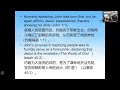
John the Baptist announces Jesus as the Lamb of God who takes away the sin of the world, tying Jesus’ life and death to Old Testament sacrificial imagery: the Abrahamic substitute and the Passover lamb. The baptism at the Jordan becomes the defining moment that reveals Jesus’ identity and mission—His coming inaugurates public ministry, identifies Him as preexistent and divine, and initiates a spiritual work that surpasses water ritual. The Spirit’s descent like a dove and the Father’s voice at the baptism display the Trinity at work and mark Jesus as the one who baptizes with the Holy Spirit, promising spiritual birth to those who receive Him.
Baptism functions on multiple levels: as an act of obedience modeled by Jesus, as a public testimony of repentance and faith, and as a sign of mystical union with Christ’s death, burial, and resurrection. The water imagery symbolizes being buried with Christ and rising into newness of life; physical immersion alone does nothing without true faith, but sincere baptism authorizes a visible proclamation of an inward transformation. Paul’s teaching in Romans frames this change as justification by faith that necessarily produces ethical renewal—believers who truly unite with Christ’s death also commit to walking in resurrected life.
The Gospel extends an invitation: admit sin, believe in Jesus, and call upon His name to receive spiritual birth. The cross bridges the gap that moral effort and law cannot span; human attempts to climb out of the pit fail because sin disables the climb, whereas Christ’s sacrifice provides the bridge across. Christians are called not only to accept this rescue but to live the implications—undergoing a personal metamorphosis comparable to a caterpillar’s transformation into a butterfly. The visible act of baptism points back to that inward reality and propels a lifelong process of dying to the old self and living as a new creation in Christ.
The gathering moves from proclamation to practice: those professing faith will be baptized as an expression of repentance and new birth, and an open invitation remains for anyone seeking to know Christ personally and experience the change He brings.
Key Takeaways
- 1. Jesus as the Lamb of God John the Baptist identifies Jesus with the sacrificial lamb of Israel, connecting the cross to God's provision for sin. This image insists that forgiveness is not abstract theology but payment accomplished through substitutionary sacrifice. The lamb motif grounds the resurrection’s power in atonement—sin removed, access restored. [06:04]
- 2. Jesus' preexistence and divine identity John affirms that Jesus existed before John and before creation, declaring divine self-existence revealed in history. This claim shifts Jesus’ baptism from a mere ritual to theophany: God entering time to act redemptively. Belief in Christ therefore anchors faith not only in an ethical teacher but in the eternal God who intervenes. [11:21]
- 3. Baptism signifies spiritual rebirth The Spirit descending like a dove and the promise of baptism with the Spirit mark baptism as the sign of new birth. Water immersion pictures burial with Christ; the Spirit’s work makes that symbolism a present reality, enabling a transformed inner life. True baptism pairs outward obedience with inward regeneration, calling for ongoing dependence on the Spirit. [14:12]
- 4. Live the resurrection's transformation Union with Christ demands an ethical and existential metamorphosis—old patterns pass away and the new life must be lived daily. Spiritual birth initiates a process that reshapes relationships, language, desires, and community participation. Christian identity therefore becomes active: die to former ways and walk in the risen life Christ grants. [32:22]
Youtube Chapters
- [00:00] - Welcome
- [00:14] - Easter Tradition Exchange
- [00:43] - Resurrection Brings Change
- [01:36] - John’s Theme: Baptism and Purpose
- [06:04] - Behold the Lamb of God
- [11:21] - Jesus' Preexistence Declared
- [14:12] - Spirit Descends at Baptism
- [20:20] - Baptism: Obedience and Testimony
- [21:42] - Union with Christ: Death and Rise
- [32:22] - Metamorphosis: Live the New Life
- [34:25] - Invitation and Prayer