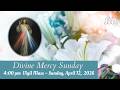
On the locked night after the resurrection, Jesus enters a room of fearful disciples, speaks “Peace be with you,” shows his wounds, and breathes the Holy Spirit, conferring authority to forgive sins. The narrative contrasts immediate peace with lingering human fear and judgment, revealing how closed hearts resist mercy by measuring God with human standards. Doubt appears in Thomas, who insists on physical proof; his eventual confession, “My Lord and my God,” becomes a model for faith that moves from skepticism to recognition. The account holds up both the blessing of those who believe without seeing and the tender way wounds and questions receive encounter rather than condemnation.
Mercy emerges as the central motif. Baptism registers mercy from the start, and simple acts—visiting the sick, sharing memories, noticing small mercies—demonstrate God’s presence amid suffering. Personal conversion scenes show how encountering God can heal fragmented self-identity and restore love for one’s past self. Visual experiences of the Sacred Heart and repeated signs strengthen conviction about the Eucharist and the living presence in the tabernacle. The Eucharist appears as a tangible extension of the risen Lord: an invitation to touch, to believe, to call Jesus “Lord” and “God.”
Practical exhortation follows theological reflection. Reconciliation stands out as a sacramental doorway into mercy; open hearts and confessions invite the same greeting of peace that the risen Lord offered. The text invites believers to notice mercy daily, to allow forgiveness to uproot shame, and to participate in evangelization that reaches marginalized people. Liturgical petitions at the close stress life, pastoral wisdom, humility in leadership, and care for the dead, tying communal prayer to the lived reality of mercy. The overall thrust urges a confident response: refuse fear, accept mercy, touch the wounds of grace, and renew mission from a heart transformed by the risen Christ.
Key Takeaways
- 1. Peace disarms fear and judgment Jesus’ greeting, “Peace be with you,” interrupts fear and dissolves defensive postures. Peace functions not as mere absence of conflict but as God’s decisive entry into closed spaces, announcing reconciliation before any confession of guilt. This peace invites a reorientation: cease measuring divine love by human standards and let mercy dismantle entrenched judgment. [22:26]
- 2. Divine mercy rewrites broken identity Mercy refuses to reduce a person to past sins and instead restores the original dignity perceived by the Creator. Baptism and small gestures of care expose how forgiveness reshapes memory and self-worth, turning shame into sources of gratitude rather than perpetual exile. This restoration challenges believers to receive mercy first and live outward from that healed core. [25:28]
- 3. Doubt can lead to confident faith Thomas’ demand for touch represents honest wrestling rather than final despair; his encounter leads to a bold confession of Jesus’ divinity. Doubt, confronted with embodiment and patient invitation, can become a pathway to deeper assent rather than an obstacle to it. The narrative dignifies questioning while offering a road from skepticism toward a faith that names Christ as Lord and God. [20:13]
- 4. Sacraments make mercy tangible The Eucharist and reconciliation translate abstract mercy into palpable encounters: a visible host, a forgiving word, a breathed Spirit. These signs anchor belief in concrete experience, enabling touch, sight, and hearing to confirm God’s nearness and healing. Regular reception trains perception to recognize mercy woven through ordinary life and liturgical action. [31:16]
Youtube Chapters
- [00:00] - Welcome
- [18:56] - Gospel Reading: Locked Room Appearance
- [19:15] - Hands, Side, and the Spirit
- [19:53] - Thomas’ Initial Doubt
- [20:13] - Thomas’ Confession: “My Lord”
- [21:35] - Reflection on Fear and Response
- [22:26] - Peace Enters Closed Hearts
- [24:58] - Divine Mercy and Identity
- [25:28] - Baptism as First Mercy
- [31:16] - Vision of the Sacred Heart
- [35:07] - Invitation to Reconciliation
- [38:01] - Prayers for Life and Leaders
- [1:01:45] - Dismissal and Closing Hallelujah