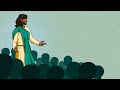
A reflection on love opens with lighthearted Valentine’s anecdotes and a catalogue of on-screen romances—from rom-coms to Lord of the Rings and Star Wars—used to probe what authentic love looks like. The traditional wedding vow line, “forsaking all others,” becomes the hinge: genuine covenant love demands exclusive devotion, not merely affectionate feeling or moral behavior. Luke 18 frames the theological question: what does one need to inherit eternal life? Earlier episodes in the book establish prerequisites for entering the kingdom—humility and childlike trust—and the narrative here presses one more requirement: wholehearted love for God.
A wealthy ruler approaches Jesus asking how to secure eternal life. Jesus reframes the question by testing the man’s understanding of goodness and probing his heart. The ruler cites commandments he has kept, but Jesus exposes an unmet demand: total surrender. The call to sell possessions, give to the poor, and follow requires the ruler to relinquish what occupies his trust and affection. The ruler’s sorrow at Jesus’ invitation reveals the core problem—riches functioned as an idol that crowded out divine allegiance.
Jesus then teaches about the difficulty wealth introduces into discipleship, using the striking image of a camel and the eye of a needle to illustrate the near-impossibility of entering the kingdom when treasure competes for first place. The crowd reacts with alarm, but Jesus corrects them: what men find impossible, God can accomplish. Peter’s response—reminding that disciples left homes to follow—elicits assurance that sacrificial following yields manifold returns in this life and the next, including a renewed family of faith and eternal life.
The central claim stands: moral goodness and material blessing do not substitute for exclusive devotion. Entry into the kingdom requires forsaking rival loves so that Christ becomes preeminent. The invitation closes with a practical summons to examine attachments, release idols (even good things), and embrace the deeper joy and treasure that follow wholehearted surrender.
Key Takeaways
- 1. Forsake all other loves True covenant love demands exclusive allegiance; anything loved more than God becomes an idol that blocks intimate relationship. Putting lesser loves first produces a divided heart that cannot embrace the reign of God. Forsaking rivals is not punitive but restorative: it frees hands to receive the fullness of divine life. The call focuses the heart on what actually saves and fulfills. [68:47]
- 2. Being good isn't good enough Moral behavior and rule-keeping expose responsibility but cannot supply ultimate trust. Righteous actions without radical trust still leave a person outside the kingdom, because the heart remains tethered to other securities. Authentic entry requires the move from “I have kept the rules” to “I cast my life on Christ.” Obedience without surrender becomes a counterfeit refuge. [66:20]
- 3. Wealth can become an idol Possessions shape trust habits; abundance tends to harden reliance on self-sufficiency rather than dependence on God. Riches often masquerade as blessing while secretly capturing first love, making divine surrender painfully costly. The imagery of the camel and needle names the spiritual reality: attachments distort vision and restrict access to grace. Recognizing wealth’s gravitational pull enables intentional detachment. [75:55]
- 4. Salvation is God's gift alone Human effort cannot bridge the gulf into God’s kingdom; divine intervention accomplishes what people cannot perform. The paradox remains: urgent calls to surrender coexist with the promise that God makes entry possible. Faith receives what works cannot produce—salvation as a gift that transforms the one who trusts. This truth reorients striving into reliance. [80:38]
Youtube Chapters
- [00:00] - Welcome
- [52:37] - Valentine’s Day anecdote
- [54:08] - Love and movie examples
- [56:29] - The vow: forsaking all others
- [57:57] - Luke 18 context: kingdom prerequisites
- [61:58] - The rich ruler’s question
- [65:42] - Man’s moral resume and response
- [67:03] - Jesus’ radical invitation
- [75:55] - Wealth and the needle’s eye
- [80:38] - Grace makes salvation possible
- [88:44] - Invitation to forsake lesser loves