
Unity and Diversity: Grace Gifts in Christ
Devotional
Sermon Summary
Bible Study Guide
Sermon Clips
but to each one of us grace was given according to the measure of christ's gift so a new focus on every single member of the one body of christ and then what we want to focus on now is verse 8 therefore because that's what christ is doing is giving grace giving grace according to measure to each one of us [00:01:15]
the old testament was written in the way it is written because god knew what would happen in the new testament and brought the writing of the old testament into line with it it's not the other way around it's not like the old testament was written and now we've got to bring the new testament into line with what the old testament wrote [00:03:13]
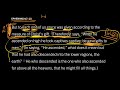
it is not an ordinary book it is god's word and here's an amazing statement of the fact that the old testament was written because god knew and planned that the new testament would bring this forth that's the first observation here's our next observation why would paul even think of quoting the psalm 68 8 in relation to this [00:04:11]
so my first answer to the question why does paul think of psalm 68 18 when he's going to talk about christ ascending and giving gifts to men is because he thinks of the god of the old testament as christ and wherever there are other clues that's going to really wake him up so what are the other clues [00:06:29]
this god has come down to do something and now he's going up and that is a type or a sign or a pointer to christ who came down in the incarnation and then went up in the ascension so that's my second clue here's the third one you in ascending took captives captive now paul has already said in ephesians 1 [00:07:23]
so this is a picture of christ triumphing over all powers all demonic powers here's the way peter put it christ has gone into heaven and is at the right hand of god with angels and authorities and and powers being subjected to him he took them captive he defeated them here's paul again in colossians 2 [00:08:29]
god made you alive together with christ having forgiven us all our trespasses by canceling the record of death that stood against us with its legal demands this he set aside nailing it to the cross he disarmed the rulers and authorities and put them to an open shame by triumphing over them in the cross or in christ [00:08:56]
so when paul reads psalm 68 18 that god and christ is god ascended and thus had to descend in order to ascend in triumph which reminds him of christ and took captives and that's exactly the way paul thinks about christ's victory in the cross and the resurrection is that he defeated enemies and and made them bow to him [00:09:36]
the god that i worship doesn't need booty he doesn't need spoil listen to what he says in quoting job here in romans or who has ever given a gift to him that he might be repaid nobody has ever given a gift to god why because from him are all things he has he owns them already through him are all things [00:11:05]
as soon as he triumphs over all these enemies and has all this spoil he's going to turn what he receives into gifts among men that is two men and that finishes his awakening of that's what he's talking about he's talking about when he ascended on high he took captives and he gave gifts so you people stumble over [00:11:50]
christ who is god is giving grace gifts to each one of us as part of the beneficiaries of his triumph over all his enemies whom he has taken captive now next time we'll see what he does here to explain some of what he's been doing in using psalms 68 18 this way [00:12:49]
Chatbot

-
I'm an AI bot trained specifically on the sermon from Sep 07, 2021. Do you have any questions about it?