
Understanding Trials and Temptations in Faith
Devotional
Sermon Summary
Bible Study Guide
Sermon Clips
Blessed is the man who remains steadfast under trial for when he has stood the test he will receive the crown of life which God has promised to those who love him let no one say when he's tempted I am being tempted by God for God cannot be tempted with evil and he himself tempts no one. [00:00:23]
Each one is tempted when he is lured and enticed by his own desire then desire when it has conceived gives birth to sin and sin when it is fully grown brings forth death. [00:01:00]
God never tempts anyone but he tests them and the same word is used so somehow we have to make the distinction between what God doesn't do and does do or hear by faith Abraham when he was tested same word by God offered up Isaac. [00:03:03]
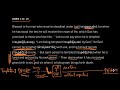
In James's mind proceeds like this each person is tempted when he is lured and tired enticed by his own desire so let's put desire here desire and that desire in James's mind starts out is innocent right because because he's he it gives birth to sin somewhere along the way this desire becomes an evil desire. [00:05:00]
Hunger may become gluttony and sin sex may become lust and and money desire may become greed so what what James says here is this desire starts luring and enticing so I'm gonna put a bunch of dots like this and we'll say luring here. [00:06:21]
Somewhere along the way in this luring of hunger or sex or money or any other kind of desire that starts innocent somewhere along the way it may cross a line which which James calls conception like conceiving in the womb and at that conception there's some kind of connection and union with the person that results in acts of sin. [00:06:49]
God is providing no positive creative agency there his sovereignty here which is real is exercised by withdrawing or handing people over to what he knows will happen by virtue of their own desire at this point now I don't have a full explanation for how God in His amazing mysterious active and negative agencies does that. [00:10:03]
Counted all joy my brothers when you meet trials same word as temptations of various kinds for you know that the testing of your faith produces steadfastness and let steadfastness have its full effect that you may be perfect and complete lacking in nothing. [00:11:46]
Trials begin with a tested faith something comes into your life a sexual temptation or so it cuts you off in traffic or you get cancer just anything could test your faith here and if your faith doesn't give way to sin you prove to be steadfast enduring persevering that goes on in life. [00:12:07]
When that line is crossed here we no longer have steadfastness we no longer have endurance and perseverance now the person has caved and has become sinful in desire and sinful in act and now here you have adoration where there's becoming perfect complete lacking and nothing there's completeness all along the way providing what we need to make it home. [00:13:30]
God tempts no one and yet he tries everyone because the trial proceeds along the line of never crossing this line enduring and that's God's purpose and goal in the trial not acts of sin but rather completeness and steadfastness all the way to the end. [00:16:11]
God does not do this does not bring us from here to here by an active work of creation or active positive agency but by a withdrawing by a permitting by a relented by a holding back of his agency knowing that this desire will cross that over whatever mysteries there are at this point in how sin comes about under the sovereignty of God. [00:16:39]
Chatbot

-
I'm an AI bot trained specifically on the sermon from Apr 30, 2019. Do you have any questions about it?