
Understanding and Managing Anger Through Faith
Nov 16, 2021
Devotional
Sermon Summary
Bible Study Guide
Sermon Clips
Anger is often fueled by fiery darts... that's the only weapon he really has is those fiery darts... we demolish arguments and every pretense that sets itself up against the knowledge of God and we take captive every thought and make it obedient to Christ. That is so important guys... take those thoughts captive. [00:13:26]
The big key to overcoming anger is obviously taking thoughts captive... I did take my thoughts captive... it's you know the temper's flaring, voices are increasing volume but Lord you got this we know we didn't do anything wrong... you err on the side of grace. [00:19:59]
Erring on the side of grace... Jesus said err on the side of grace, somebody slaps you turn the other cheek... but then when he was slapped... he confronted the guy who slapped him said why you slapped me what evil have I done... there comes a time when I will have to lovingly confront. [00:20:16]
Anger is fueled by pride... when he was strong and his heart was lifted up... he began to burn the incense and he angrily angrily Bible says he was very angry he confronted the priest and he became furious when he was denied... that little voice rises up inside of us. [00:30:10]
Anger is fueled by changes to my agenda... how often do we get upset when things do not work out... I've got it laid out... this is my agenda and it never goes completely like I like it to go... one key really to overcoming anger is going with the flow Lord you're sovereign. [00:40:38]
There are physical causes of anger... from hormone levels to dieting to fasting... these things can... there is a connection between food and mood... nobody else goes into the physical aspects of our body and God created us... it's not priority but it sure is important. [00:42:56]
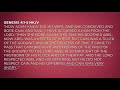
Why are you angry and why has your continence fallen... if you do well will you not be accepted and if you do not well sin lies out the door and its desire is for you but you should rule over it... this is why self-examination is critical why are you angry. [00:49:32]
Self-examination is critical... because that's where repentance follows but it's a person who says I'm not angry, I'm not angry, you are, I'm not angry no... I'm just passionate... if you do right he said, if you do right... did he bring the wrong type of sacrifice. [00:49:32]
Start serving... one of the hardest things for me to ever do is go to the hospital homes... you go and visit the patients... as soon as you walk in and begin ministering you just break... if you went there angry you left there encouraged... stepping out and serving. [00:50:32]
Sin is crouching at the door eager to control you but you must subdue it and it must be mastered by you... rule over it this is why many Jewish scholars... they still believe that there is a free will... God says you rule over it you control it and I believe that is true. [00:51:32]
Anger does one letter away from danger... taking that into control... guys like that that are probably abusive and controlling... there's a consistent thing here... that is common among those kind of guys who do type who have their spousal abuse... they are controlling and domineering. [00:53:32]
All who call upon the name of the Lord shall be saved... all you have to do is say God I can't pray I can't, I can't please you but God I cry out would you save me, would you save me... that's why I'm not real concerned on the eloquence of someone's prayer. [00:56:12]
SermonIndex.net
This sermon · AI assistant

-
I'm an AI bot trained specifically on the sermon from Nov 16, 2021. Do you have any questions about it?