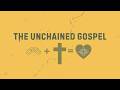
Freedom in Romans does not sound like “doing whatever you want.” Paul names a paradox: “set free from sin” and made “slaves to righteousness.” The claim does not shrink freedom, it clarifies masters. Sin, fear, pride, money, and power always draft servants; the gospel breaks those chains and binds people to God’s good rule. Genesis names the fracture, “all have sinned,” and Romans adds the wage, death. The law can diagnose but cannot cure, because sin is embedded, like stubborn grass rooted through the turf. Jesus steps into Israel’s story as the long-promised Messiah, announces the kingdom of God, flips the world’s value system, loves enemies, and refuses to answer Rome’s violence with more violence. The cross is not defeat; the Author of life lays his life down. The resurrection vindicates the kingdom, and Pentecost ignites a people who live this freedom now with a hope that stretches into eternity.
Romans insists the gospel levels the ground: no difference between Jew and Gentile; all are justified by grace through Jesus. The old badge of superiority is retired, and the new badge is faith that is tied to transformation. Salvation is not a swap of guilt for comfort; it is a transfer of allegiance that renews minds, reshapes desires, and trains believers into citizens of God’s kingdom. That is why cancel culture, tribal flag-planting, and vengeance cannot be the church’s playbook. Allegiance to Jesus frees the church to bless those who disagree and even those who harm.
Romans 15 brings the freedom into a local congregation: the strong bear the weak, and nobody aims to please self. Christ’s own pattern governs the community. Acceptance is not arm’s-length tolerance; it is an embrace that learns stories, carries burdens, and sings with “one mind and one voice.” Unity lives in difference, not in erasing it. Paul’s travel plans then stretch the gospel to the edges of the map, even if chains and swords interrupt the itinerary. Romans 16 finally pulls back the curtain on the real engine of mission: a roll call of ordinary saints whose names rarely headline history but whose faithfulness turned the world. Their legacy lives in every disciple who writes down the names of those who shared the good news, receives the name “beloved child of God,” and prays for the next name God will rescue.
Key Takeaways
- 1. Freedom is allegiance to righteousness [02:28] Freedom in Christ is not license; it is being liberated from sin’s mastery and bound to God’s good intent. That binding does not crush the self; it cures the self, steering desire toward life. Real freedom learns limits that love requires and discovers joy on the other side of surrender. The paradox holds because Jesus is a better master than sin ever was. [02:28]
- 2. Sin is embedded, not surface-deep [13:03] Law can expose sin but cannot uproot it, because sin threads through motives, habits, and structures. Treating sin like a weed at the edge leaves roots under the turf; it grows back stronger and camouflaged. Only the crucified and risen Christ, by the Spirit, can reach the mesh where it clings. Transformation requires patience, honesty, and Spirit-powered replanting. [13:03]
- 3. The kingdom is now and still coming [21:34] Jesus inaugurated a real, present reign that heals, reconciles, and reorders love, but creation still groans for fullness. Hope does not deny pain; it names a pledged future that pulls the present forward. Following Jesus means living signs of tomorrow’s world today, even when death still blusters. Courage grows where resurrection has already broken ground. [21:34]
- 4. Unity outgrows tolerance into embrace [30:01] Romans 15 pushes past polite distance into mutual burden-bearing and shared praise. Acceptance becomes concrete when stories are learned, patience is practiced, and sacrifices are made. Diversity is not a problem to solve but a gift to steward for God’s glory. The church’s one voice is not unison of culture but harmony under Christ. [30:01]
- 5. Ordinary names carry the mission forward [35:11] Romans 16 honors uncelebrated coworkers whose obedience outlived their biographies. God builds history through people content to be known mainly in heaven’s ledger. Writing the names that shaped one’s faith trains gratitude and stewardship. Writing the names one prays for keeps the mission unchained into the next life. [35:11]
Youtube Chapters
- [00:00] - Welcome
- [00:43] - School’s-out freedom and its limits
- [02:28] - “Set free from sin” paradox
- [05:06] - Romans recap and Jew-Gentile unity
- [08:16] - Saul to Paul: grace disrupts
- [10:12] - Sin’s wage and the broken world
- [13:03] - Sin like grass in the turf
- [14:57] - Jesus announces the kingdom
- [16:38] - Cross, rejection, and willing love
- [19:06] - Resurrection power and Pentecost fire
- [21:34] - Creation’s groan and promised freedom
- [28:04] - Romans 15: bear with the weak
- [30:01] - One mind, one voice in Christ
- [35:11] - The roll call of Romans 16
- [37:45] - Write the names, join the story