Jul 30, 2026
Paul wrote to a church he had never visited. He told them he was thankful for them. He thanked God for their faith, which was being reported all over the world. He started his letter with public gratitude, not private criticism.
This is a powerful antidote to our natural tendency. We often share tasty morsels of gossip about others. This gossip is like spiritual poison. It creates loneliness and destroys community. Thankfulness stops this toxic pattern. It forces us to look for the good God is doing in someone.
Think about your own relationships. When a name comes up, what is your first response? Do you critique or give thanks? Make a conscious choice to stop the trash talk. Instead, voice one thing you are thankful for about that person. What is one relationship you could rebuild today by choosing thankfulness over criticism?
First, I thank my God through Jesus Christ for all of you, because your faith is proclaimed in all the world.
(Romans 1:8, ESV)
Prayer: Ask God to bring a specific friend to mind and thank Him for one quality you admire in them.
Challenge: Text that person one sentence of specific gratitude for who they are.
Paul was constantly in prayer for the Roman believers. He prayed for them even though their faith was strong. He knew that those shining brightly for Jesus become targets. Righteousness attracts persecution from the kingdom of darkness.
This remains true today. Our friends with strong marriages, faithful kids, and bold witness need our prayers. They are on the front lines. History shows this, from Nero’s persecution in Rome to Richard Wurmbrand in Communist Romania. Standing for Jesus has a cost.
Your friends who are doing well spiritually need your intercession. Do not only pray for them when they are in crisis. Pray for their protection and perseverance when they are thriving. The enemy seeks to extinguish the brightest lights. Who in your life is shining for Jesus and needs your prayer cover today?
For God is my witness, whom I serve with my spirit in the gospel of his Son, that without ceasing I mention you always in my prayers, asking that somehow by God's will I may now at last succeed in coming to you.
(Romans 1:9-10, ESV)
Prayer: Pray for protection and strength for a friend you know is living out their faith courageously.
Challenge: Write down the names of three strong believers and put them in your prayer calendar.
Paul looked at the Roman church and saw what he could give. He wanted to impart some spiritual gift to strengthen them. His focus was on contribution, not extraction. He did not seek friends for what they could do for him.
This reverses a common approach. We often befriend people who can elevate us. We want friends who are hip, successful, or connected. This leads to clingy and hurt feelings. Jesus modeled the giving life. He came to serve, not to be served.
Examine your own heart in friendship. Are you looking to get or to give? Stop evaluating what others can do for you. Start asking how you can bless, serve, and love them. You cannot outgive God. What is one practical way you can add value to a friend’s life this week?
For I long to see you, that I may impart to you some spiritual gift to strengthen you—
(Romans 1:11, ESV)
Prayer: Ask God to show you one specific way you can serve a friend without any expectation of return.
Challenge: Perform one act of service for a friend that requires time or effort from you.
Paul repeatedly planned to visit Rome but was prevented. He did not give up. He found another way to connect by writing this letter. He demonstrated persistence in friendship, a quality our culture often lacks.
We live in an age of casual connections. We block people who offend us. We give up at the first sign of difficulty. A true friend loves at all times, especially hard times. This persistent love demonstrates the gospel. It reflects Jesus, who leaves the ninety-nine for the one.
Consider a friendship you have let fade. Maybe you felt rejected or hurt. Could God be calling you to reconnect? Be persistent in love. Your faithful pursuit could be the very thing God uses to restore a soul. Is there a relationship you have abandoned that God is asking you to pursue again?
I do not want you to be unaware, brothers, that I have often intended to come to you (but thus far have been prevented), in order that I may reap some harvest among you as well as among the rest of the Gentiles.
(Romans 1:13, ESV)
Prayer: Ask God for courage and the right words to reconnect with one person you have lost touch with.
Challenge: Call or message one person you have not spoken to in over a year to check in on them.
Paul felt a dual obligation. He was obligated to all people, Greeks and non-Greeks. But he was also eager to preach the gospel. His primary mission in every relationship was to share Jesus Christ. This focus gave his friendships eternal significance.
We give ourselves to many topics: politics, news, hobbies, or work. These things can consume our conversations. Paul’s priority was singular. He knew that one conversation about Jesus could change a life forever. It could cover a multitude of sins and save a soul from death.
Your friendships are a platform for the gospel. You are obligated and eager to share the hope you have. Do not let other topics crowd out the main thing. Look for the opportunity to speak life. Who in your circle of relationships needs to hear about Jesus from you?
I am under obligation both to Greeks and to barbarians, both to the wise and to the foolish. So I am eager to preach the gospel to you also who are in Rome.
(Romans 1:14-15, ESV)
Prayer: Ask God for a specific opportunity and boldness to share your faith with one friend today.
Challenge: Identify one friend who does not know Jesus and commit to praying for them daily this month.
Paul’s opening to the Roman believers frames Christian life as a twin devotion: love for God and love for people. The ancient habit of public gratitude models how to counter gossip and loneliness; naming concrete virtues in others interrupts the appetite for critique and cultivates communal health. Cultural changes — from front porches to air conditioning, television, and smartphones — get credited with fracturing neighborhood life and intensifying isolation, so the early church’s relational practices become urgent modern prescriptions. Prayer emerges as a strategic commitment, not only for those in trouble but especially for those whose faith shines publicly, since spiritual fruit often draws opposition; historical examples from Rome and twentieth-century martyrdom underscore that flourishing faith invites persecution and requires intercession.
Generosity defines relational posture: friendships function best when oriented toward contribution rather than extraction, and giving reshapes expectations and mutual flourishing. Persistent pursuit of friends proves salvific; loyalty that refuses to drop someone in hard seasons can recover a life and create enduring fruit. Practical holiness includes the obligation to proclaim Jesus above competing obsessions of the age — politics, hobbies, or technologies — and to let evangelistic urgency reorder priorities. The biblical texts cited (Proverbs, Ezekiel, James) and concrete stories—Roman persecution under Nero, Richard and Sabina Wurmbrand’s witness under communism, a persistent friend who restored Brennan Manning—illustrate how thanksgiving, prayer, giving, persistence, and gospel obligation operate together to form a community that loves God and loves people. Each rhythm functions as both grace to receive and discipline to practice, aimed at healing loneliness, resisting slander, protecting flourishing believers, and advancing the gospel with endurance and sacrificial care.
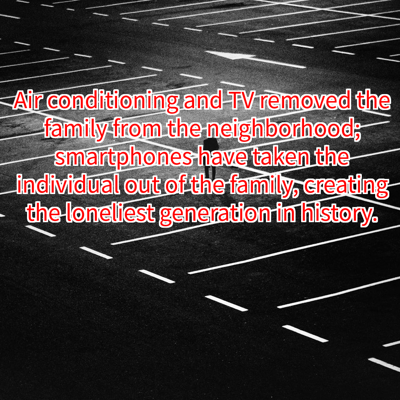
Air conditioning and TV removed the family from the neighborhood; smartphones have taken the individual out of the family, creating the loneliest generation in history.
First thing Paul talks about is Jesus, and the second thing he talks about is people — love God and love people.
The best way to stop negativity about people is to be thankful.
When someone begins to trash another, the best response is to say, "I’m so thankful for their generosity, kindness, or faith.
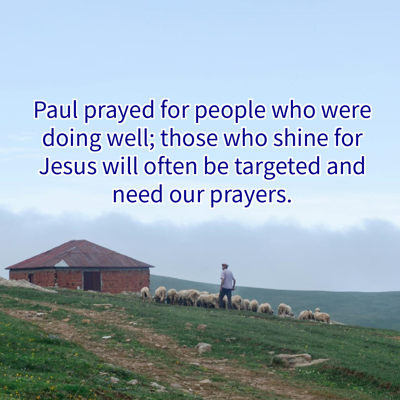
Paul prayed for people who were doing well; those who shine for Jesus will often be targeted and need our prayers.
Paul looked at people not for what he could get but for what he could give.
Are we persistent friends? Be the friend who loves at all times, especially through the hard seasons.
He felt obligated and eager for one thing: to preach the gospel of Jesus Christ.
Looking to people to fill your cup is a recipe for hurt; reverse it and ask, "What can I give them?
Hi, I'm an AI assistant for the pastor that gave this sermon. What would you like to make from it?
Add this chatbot onto your site with the embed code below
<iframe frameborder="0" src="https://pastors.ai/sermonWidget/sermon/unashamed-romans-1-8-15-love-god-people" width="100%" height="100%" style="height:100vh;"></iframe>Copy