Worship emphasizes that God’s mercy renews each day and that the Spirit intercedes when words fail. The congregation receives a clear invitation to consider identity: God names people as his children, and those who do not yet embrace that name get an open call to encounter it. Announcements encourage community rhythms—small groups, young adult nights, and Wednesday training—that equip believers with spiritual skills for everyday life. Giving appears as a spiritual rhythm: sacrificial generosity advances kingdom work and provokes testimony of God’s provision.
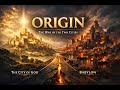
The sermon frames life as a white-water-rafting journey where choices determine outcomes: some hide, some give up, some abandon ship, and some tighten their life jacket and row into the falls. Proverbs 14:12 warns that what seems right to human reasoning can lead to death, highlighting the clash between the kingdom of man and the kingdom of God. The kingdom of man pursues oppression, conquest, shame, and endless accumulation; it demands allegiance by promising security and status. Scripture insists that no one can serve two masters, so faith requires a distinct commitment.
Daniel chapter 3 provides the central illustration. Shadrach, Meshach, and Abednego refuse to bow to a golden image, accept the real consequence of a fiery furnace, and declare fidelity to God whether or not deliverance comes. The narrative insists that following God often brings real-world costs—lost jobs, broken friendships, or social isolation—but never leaves the faithful alone. God’s presence in suffering transforms trial into testimony; Nebuchadnezzar recognizes more than three men in the fire, and the community turns toward God. The kingdom of God advances not by shame or domination but by selfless love, shared sacrifice, and persistent testimony. The closing summons calls each person to choose whom they will serve now, pointing to Scripture’s demand for exclusive worship and the promise that God’s righteousness covers his children. An altar invitation closes the service with a direct call to commit and to live into the consequences and consolations of the kingdom chosen.
Key Takeaways
- 1. Identity: child of God or seeker The heart must answer whether God’s defining word—child—receives a response. If identity remains unclaimed, life choices follow human logic and vulnerability to shame. Embracing divine adoption reorders loyalties and anchors dignity apart from performance. [18:14]
- 2. Two kingdoms demand exclusive allegiance The human kingdom offers security through conquest, accumulation, and shame, but it requires total loyalty. God’s kingdom calls for a different center: selfless love and sacrificial service. A divided allegiance produces confusion and eventual loss; a chosen allegiance produces clarity and direction. [1:00:25]
- 3. Consequences often follow faithful resistance Refusing cultural idols typically produces tangible costs—loss of job, friendships, or status—but those costs do not indicate divine absence. Faithful refusal accepts consequences as the terrain of witness and sanctification. Such endurance refines motives and reveals what the soul truly worships. [1:03:52]
- 4. God’s presence turns suffering into testimony Divine accompaniment in trial reframes peril into public witness; the furnace becomes a platform for God’s glory. Presence does not eliminate hardship but redeems it, converting personal peril into communal invitation. Testimony springs from survival with God, not merely from escape. [1:18:06]
Youtube Chapters