
Transforming Anxiety into Peace Through Prayer
Dec 21, 2021
Devotional
Sermon Summary
Bible Study Guide
Sermon Clips
Do not be anxious about anything but in everything by prayer and supplication with Thanksgiving let your requests be made known to God and the peace of God which passes surpasses all understanding will guard your hearts and your minds in Christ Jesus. [00:01:11]
This is no anxiety and this is prayer, and then verse 7 and the peace of God that passes all understanding will guard your hearts and minds in Christ Jesus so this is all about this peace so here's the anxiety piece that is be free from it here's the peace peace the peace part have it be full of it and let it guard you. [00:02:18]
Isn't he saying that if you pray and if you ask God for things so supplication is the more specific dimension of prayer prayers general supplication is asking for things and he he makes that explicit here got lots of requests ask him what are those requests those requests are about these anxieties here and so these are not just two separate activities. [00:04:08]
This activity namely the activity of prayer is intended to be the the means by which this an activity is overcome and we see that in several other texts for example Romans I mean Psalm 55:22 cast your burden cast your burden on the Lord and he'll sustain you so these burdens here are to be cast upon the Lord in prayer. [00:04:34]
When you pray about your anxieties we should be praying with Thanksgiving meaning that when we come to God God doesn't want us to come saying I don't think he's really gonna do anything now I don't think he's a very generous God I don't think there's anything to give him thanks for that's exactly the opposite of the way we're to think about coming to God. [00:06:00]
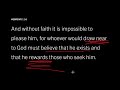
Without faith it is impossible to please him for whoever would draw near to God must believe that he exists and that he rewards if you must believe that he's a rewarder that's just another way of saying let's go to God with a heart of expectancy and Thanksgiving and just later in Philippians like how many verses later is that thirteen verses. [00:06:23]
My God will supply every need of yours according to his riches in glory in Christ Jesus so be be thankful when you go he's made you promise that he's going to supply every need and it's this prayer in that attitude of expectancy a Thanksgiving that's going to overcome these anxieties now what follows the statement or the command to pray is and the peace of God. [00:06:51]
The peace of God which surpasses all understanding that means I think God gives you a peace that mere human reason cannot account for and this peace will guard your hearts now it will guard them from what well wouldn't the most natural contextual answer be these anxieties it's gonna guard your heart from those anxieties is gonna guard your mind against the heart feels anxiety. [00:08:34]
The mind can go into overdrive in providing all kinds of fearful scenarios like when you're a kid and your mom and dad are late coming home and your heart starts to feel anxiety what does your mind do well they might have an accident and somebody want to shot them and who know you know the mind does all kinds of things and and this prayer that gives this peace. [00:09:07]
This peace that passes understanding guards our minds from that kind of out-of-control overdrive of scenarios of fear and our hearts from anxiety which means that peace is not just the flipside of no anxiety it's a means to no anxiety right it's the guard against anxiety which which means that piece is is bigger than the absence of anxiety. [00:09:28]
The main thing to see here is that right in the in the middle this prayer piece here this prayer piece here is the key to both the peace that passes understanding and the freedom from anxiety he could hardly say anything greater about the importance and centrality of expectant thankful prayer in our lives. [00:10:06]
Desiring God
This sermon · AI assistant

-
I'm an AI bot trained specifically on the sermon from Dec 21, 2021. Do you have any questions about it?