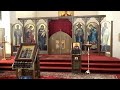
This Sunday commemorates the restoration of icons and traces the long, contested path by which visible images returned to the life of the church. For roughly two hundred years after the rise of Islam, heated debate surrounded the use of icons; several patriarchates opposed them until John of Damascus articulated the orthodox position later affirmed by the Seventh Ecumenical Council. Even after doctrinal clarity, another century and a half passed before icons reentered the churches in a public procession led by Empress Theodora to Hagia Sophia. That history underscores a persistent truth: ecclesial convictions take time to become embodied in communities.
The present moment shows similar delays and fractures. Institutional leaders can disagree, and those disagreements sometimes mirror ancient iconoclasm. Yet the faith itself endures beyond individual actions and divergent opinions. The structure of the Orthodox communion assigns relational authority through local bishops; the fullness of church life exists within the bishop’s care and the local assembly rather than through a distant, singular head.
Modern communications complicate this order. Instant access to global voices tempts individuals to bypass episcopal guidance, airing judgments and aligning around distant conflicts. That diffusion of authority breeds disunity not only among hierarchs but among laypeople who previously accepted their bishop’s pastoral direction. The smaller informational worlds of earlier generations made communal conformity easier; today’s ubiquity of opinion widens the arena for contention.
Lenten practice offers a corrective. Confession functions like a physician’s consultation: diagnosis tailored to individual needs, treatment prescribed for personal healing. Repentance requires setting aside ego, ambition, and self-will so God can reform affections and priorities. When individuals submit to the pastoral care designed for their unique condition—rather than insist on universal prescriptions—they advance toward the joy of Pascha. Prayer for global peace matters, but the immediate work remains the interior reformation of the heart under the watchful, loving care of one’s bishop and community.
Key Takeaways
- 1. Restoration required patient communal acceptance The return of icons did not follow a single decree but a prolonged process of doctrinal defense and communal reception. True restoration happens when doctrine becomes habit, embodied in worship and civic practice rather than merely affirmed in councils. Patience honors the slow work of formation across generations. [53:17]
- 2. Authority flows through the local bishop Orthodox ecclesiology centers ecclesial life in the local bishop and the parish community rather than a distant, centralized figure. That relational structure channels sacramental fullness and pastoral care tailored to a people’s concrete needs. Fidelity to that order preserves unity amid broader disagreements. [57:06]
- 3. Modern communication breeds ecclesial disunity Ubiquitous information encourages bypassing established pastoral channels and encourages public alignment around global controversies. When individuals treat distant opinions as binding, local cohesion erodes and communal discernment weakens. Resisting that impulse protects the pattern of ordered unity. [61:07]
- 4. Spiritual healing demands humble self-emptying Confession resembles a medical consultation: diagnosis and remedy attuned to one person’s life, not a one-size-fits-all verdict. Healing requires relinquishing personal preferences, ambitions, and certainties so God can reshape desires. Humility opens the soul to progressive repentance and resurrection. [67:24]
Youtube Chapters
- [00:00] - Welcome
- [50:03] - Icons debated across centuries
- [51:39] - John of Damascus’ defense
- [53:17] - Procession to Hagia Sophia
- [53:46] - Time needed for acceptance
- [55:22] - Faith endures beyond leaders
- [57:06] - Relationship with the local bishop
- [61:07] - Communication and modern disunity
- [65:23] - Confession as tailored care
- [67:24] - Set aside ego to heal