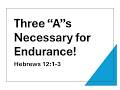
Hebrews 12 issues a call to endure with clarity: believers must run the race marked out for them by discarding hindrances, fixing their gaze on Jesus, and drawing courage from his example. The account of Christ’s endurance—scorning shame, facing betrayal, and embracing the cross for the joy set before him—becomes the pattern for faithful persistence. The witness of earlier saints and the catalog of Paul’s sufferings show that the path of faith runs through real hardship, not a sanitized spiritual highway. Endurance demands active attention, a formed attitude toward suffering, and disciplined avoidance of choices that trade eternal goods for brief satisfactions.
Attention requires concentrated vision on Christ’s work and sacrifice, calling believers to remember his opposition and abandonment so their own trials lose their power to discourage. Attitude reframes hardship as divine training: God disciplines beloved children not to punish but to produce holiness, righteousness, and perseverance; this discipline, though painful, sustains an eternal hope that outlasts present pain. Avoidance warns against trading spiritual inheritance for momentary indulgence—Esau’s impulsive sale of his birthright becomes the stern example of a believer who abandons long-term covenant blessing for immediate gratification. The text connects suffering, discipline, and moral vigilance: suffering can refine character and deepen hope when interpreted as God’s designing hand, but suffering can also become a pitfall when it leads to bitterness or moral compromise.
The call stands uncompromising: persecution and trials accompany earnest discipleship, yet God remains present, shaping faith for glory. Christians receive an invitation to align behavior with holiness, to submit to corrective love, and to refuse the lusts that defile many. The rhetoric culminates in a pastoral plea to choose the cross over crumbs of the flesh and in a concrete invitation to embrace the gospel—repentance, faith, confession, and baptism—so that endurance will bear fruit rather than lead to forfeiture. This material presses readers to sober self-examination, steady vision, and committed fidelity to the enduring path set before believers.
Key Takeaways
- 1. Fix eyes on Jesus Focusing attention on Christ’s sufferings and joy reorders perspective: present troubles shrink when measured against his path and purpose. Remembering betrayal, agony, and the cross supplies both courage and context for personal trials, turning discouragement into determination. This gaze keeps motives pure and preserves hope during seasons of abandonment and shame. [38:15]
- 2. Embrace God's shaping discipline Divine discipline treats believers as children and aims at holiness rather than mere comfort. Trials that feel punitive often refine character, producing righteousness, patience, and a faith seasoned by experience. Interpreting suffering as formative prevents bitterness and enables hope that endures beyond temporary pain. [50:48]
- 3. Reject instant, fleshly satisfactions Short-sighted decisions trade lasting inheritance for momentary relief; Esau’s sale of his birthright illustrates how hunger can undo destiny. Choosing immediate pleasure severs access to long-term spiritual duties and blessings, and such compromises label one as spiritually impoverished. Vigilant resistance to worldly lusts preserves participation in God’s promises. [57:22]
Youtube Chapters
- [00:00] - Welcome
- [37:36] - The Three A's Introduced
- [38:15] - Run with Perseverance; Fix on Jesus
- [39:01] - Consider Christ's Endurance
- [42:51] - The Road of Faith Is Tough
- [43:33] - Attention: Fixing the Gaze
- [49:42] - Attitude: Godly Discipline Explained
- [52:47] - Discipline Produces Righteousness
- [56:35] - Avoid Immorality and Ungodliness
- [57:22] - Esau's Warning: Short-sighted Choices
- [1:02:32] - Final Exhortation and Invitation