Joel begins with a strange kind of silence. The prophet does not say exactly what sin Israel committed, and he does not give a king’s name to help date the book. Joel just brings the reader straight into a terrible disaster, a locust plague that has already eaten up the land. Yet Deuteronomy 28 stands behind the whole thing like “chapter zero,” because God had already told his people that disobedience would bring curses, famine, and even insects destroying the crops.
The locust plague shows that God is the God who judges. God is not being mean, and God is not waiting happily to punish people. God is showing that sin and disobedience are serious, because human beings can choose their actions but cannot control the consequences. The locusts become like God’s first cane, a warning before a worse cane comes. If a car is filled with water instead of petrol, the car will not work, and the engineer is not the one to blame. In the same way, God has given the manual for life, and life breaks when people use it against the Maker’s design.
The famine in Joel is not only physical. The locusts eat the grain and the grapes, so the grain offering and wine offering stop at the temple. The people lose crops, animals suffer, and the priests mourn because worship itself is cut off. Sin brings physical famine through natural consequences, but it also brings spiritual famine by hindering intimacy with God, weakening prayer, blocking fruitfulness, and giving the enemy a foothold.
Yet Joel also shows that God is the God who loves. God does not allow hardship, suffering, discipline, or trial in order to destroy his people. God uses even the mess to carry a message of love. The locust plague is an alarm, not a final word. God calls his people to stop before the deeper sinkhole, to turn back before greater loss comes.
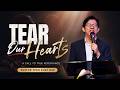
Joel’s call is simple and strong: “Turn to me now while there is time.” Repentance is not just saying sorry. Repentance means turning back. God is not obsessed with an apology. God wants to prevent destruction and restore relationship. That is why Joel says, “Don’t tear your clothing in your grief, but tear your hearts instead.” Religious action without a torn heart becomes empty. God does not want ministry replacing intimacy, or religion replacing relationship. God wants the heart, real and honest before him, because judgment is not his last word. Restoration is.
##
Key Takeaways
- 1. Sin carries real consequences God’s judgment is not random anger, but the serious mercy of a holy Father who refuses to pretend sin is harmless. The locust plague shows that choices have outcomes, and no person can demand freedom while refusing the fruit of that freedom. God’s warnings are not meant to crush his people, but to wake them up before the damage grows deeper. [18:29]
- 2. God gives the manual for life The car illustration makes the point plain: a thing only works rightly when it is used according to its design. God has not hidden the way of life from his people, but has given his Word like a manual from the Maker. Disobedience is not brave freedom when it turns the good gift of life into scrap metal. [29:11]
- 3. Repentance means turning back Biblical repentance is not merely saying sorry to make God feel better. Joel’s word means stopping on the wrong road and turning back before the sinkhole swallows everything. God calls for repentance because he sees what is ahead more clearly than the person still walking toward it. [39:31]
- 4. Discipline aims at restoration The locusts are not God’s final word over his people. God’s discipline exposes sin, but his purpose is to restore what was eaten and renew communion with him. The Father’s cane is meant to save his children from a worse cane later. [43:22]
- 5. Tear hearts, not garments Joel rejects religious performance that looks serious on the outside but leaves the heart untouched. Ministry, prayer routines, and church activity can never replace real intimacy with God. God calls for honest return, not superficial religion that only appears during hardship.
## [54:14]
Youtube Chapters
- [00:00] - Welcome
- [02:29] - Hearing But Not Listening
- [03:51] - From Horses To Locusts
- [05:38] - The Strange Book Of Joel
- [07:13] - Joel’s Structure And Judgments
- [10:45] - Deuteronomy 28 As Chapter Zero
- [11:47] - God Is The God Who Judges
- [14:31] - The Scale Of The Locust Plague
- [16:29] - Physical And Spiritual Famine
- [18:29] - Choices And Consequences
- [23:12] - Petrol Cars And God’s Design
- [35:19] - God Is The God Who Loves
- [39:31] - Repentance Means Turn Back
- [50:37] - Tear Your Hearts Instead
- [54:14] - Intimacy, Not Empty Religion