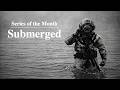
Harrison Okene’s rescue paints a picture of impossible life surfacing where only death seemed certain, and that image frames the hunger for hope beyond the grave. Paul lets that hunger drive straight into 1 Corinthians 15, where the gospel he “received” and “passed on” stands as bedrock: Christ died for sins, was buried, and was raised on the third day. The text then stacks witnesses like a cafeteria line that refuses the spoiled milk; five hundred plus voices say, in effect, do not drink denial. The resurrection is not rumor. The resurrection happened.
Paul’s logic then presses the Corinthians: if there is no resurrection of the dead, then Christ has not been raised. If Christ is not raised, the faith is empty, sin still sticks, and the dead are lost. But because Christ is raised, his resurrection functions as firstfruits, the guarantee that those who belong to him will follow him out of the grave. Death is now under Jesus’ authority.
At this point the passage drops a strange line: “What will those do who are baptized for the dead?” Paul does not pause to explain it, which is why it has sat on the table like a single puzzling word. The phrase works like a hapax, a one-off expression that refuses to become a blueprint. A tiny Greek preposition behind “for” can mean a handful of different things, so building a system on this verse outruns what the text actually gives. The chapter’s momentum is not a manual for proxy rituals; it is a drumbeat for resurrection.
The contrast with later proxy-baptism ideas is sharp because the New Testament’s pattern is personal: baptism follows faith, repentance, and identification with Jesus. Nobody believes for another. Nobody surrenders for another. Nobody is baptized for another after death. Throughout the chapter, Paul keeps aiming at lived hope: if there is no resurrection, then “let’s feast and drink, for tomorrow we die.” But Christ has indeed been raised, so baptism becomes a public act of hope. Hope that sin is forgiven. Hope that lives are changed. Hope that shame gets washed off. Hope that the grave is not the end because Jesus walked out of one.
Key Takeaways
- 1. Christ’s resurrection guarantees believers’ future Christ’s rising is not an isolated wonder but a firstfruits pledge. The empty tomb sets the trajectory for those who belong to him, pulling their future into his victory over death. Assurance grows not from inner optimism but from the historical act God has already done. The witnesses do not create the truth; they testify to it. [29:00]
- 2. Paul’s logic unmasks empty denials Denying a future resurrection quietly undercuts Christ’s past resurrection, and with it the whole faith. If death keeps the last word, sin keeps its grip and hope thins out to slogans. Paul will not let that contradiction sit unchallenged. Coherence matters because truth and life hang together. [29:27]
- 3. Baptism follows faith, never proxies New Testament baptism is a response to hearing and believing, a public identification with the crucified and risen Jesus. The act belongs to a living person whose conscience is awake and whose will has yielded. Substitutes and stand-ins cannot do repentance or trust. The sign only speaks truth when the heart has already bowed. [41:28]
- 4. Obscure texts demand doctrinal caution A solitary phrase with uncertain wording is a poor cornerstone. Wisdom notices the limits of the text and refuses to outrun them, especially where a preposition can carry multiple senses. Sound doctrine leans on clear, repeated teaching, not on a single opaque line. Reverence shows up as restraint. [38:42]
- 5. Hope after death rests in Jesus Humanity reaches for workarounds when death feels final, but the gospel stakes hope in a person who passed through death and broke it. Baptism becomes an embodied “amen” to that reality, not a talisman to fix the past. The grave’s silence is answered by the voice that calls the dead by name. That is why the act is bright with future. [43:09]
Youtube Chapters
- [00:00] - Welcome
- [17:46] - Harrison Okene tragedy retold
- [18:33] - Sixty hours in darkness
- [19:26] - The shocking rescue moment
- [20:08] - A life changed by survival
- [21:33] - Pentecost and 3,000 baptized
- [23:53] - Corinth’s messy church context
- [27:10] - The gospel Paul received
- [29:27] - If no resurrection, then what
- [30:44] - Baptized for the dead mentioned
- [36:58] - What is a hapax legomenon
- [39:01] - Why doctrine cannot rest here
- [41:28] - Baptism is personal and public
- [43:09] - Baptism as an act of hope