Ephesians 4 reframes spiritual gifting as part of a larger gift economy rooted in Christ’s saving work, the indwelling Spirit, and the gift of community. The Holy Spirit grants believers additional, God-sourced abilities beyond natural talents, and those gifts often appear as “breadcrumbs” in past life patterns that point toward vocational and missional purpose. Spiritual gifts matter because they equip individuals for the good works God prepared in advance, and they only release their full power when exercised in relationship with others. Community functions as a nesting box of gifts: salvation, the Spirit, mutual belonging, and unique ministries interlock so the local body makes a distinctive, collective impact.
Paul’s ethic of living “worthy of the calling” shifts attention from private piety or rule-keeping to communal character. Worthy living shows up as humility, gentleness, patience, bearing with one another in love, and zeal for unity through the bond of peace. Those virtues do the interior work that allows differing gifts to combine fruitfully; humility proves essential for a resilient church, especially under pressure and persecution. The historical witness of the church demonstrates both astonishing good and grievous harm, and the healthiest moments arise when people submit to one another in love so that Spirit-given gifts can flourish together.
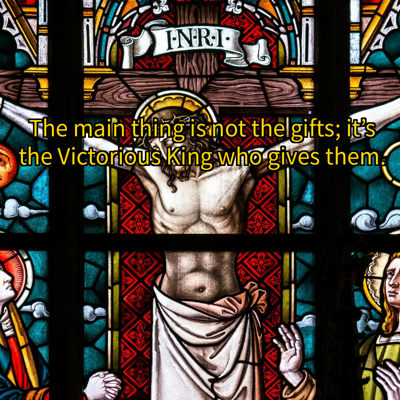
Christ, portrayed as the victorious king, distributes gifting across the people—appointing apostles, prophets, evangelists, and teachers to equip everyone for works of service. These leadership gifts exist to release others, not to hoard influence: equipping produces a built-up body that matures toward the fullness of Christ. When gifts serve this equipping purpose, the local church moves toward unity in faith and deeper knowledge of the Son, growing into grace, holiness, hope, and resilience. Practical next steps include intentional prayer for desire for community, small-group engagement, humble confession of selfish patterns, serving tangible needs, and using assessments and corporate prayer to discern and release gifts for communal flourishing. The through-line remains the victorious King who gives good gifts—salvation, Spirit, community, and particular callings—and communion punctuates the gospel reality that grounds every gift.
Key Takeaways
- 1. Spiritual gifts point to purpose Spiritual gifts surface as patterns in past joy and competence that point toward specific callings. Discernment treats those patterns as signposts rather than curiosities, asking how gifts might be grown and deployed. Gifts orient vocational and missional choices, offering a practical lens for where to invest time and training. Recognizing gifts reshapes identity: giftedness becomes vocation, not mere hobby.
- 2. Character shapes community effectiveness Humility, gentleness, patience, and love create the soil in which gifts can bear lasting fruit. Without these virtues, gifts fragment into competition, performance, or harm. Cultivating character is therefore an investment in communal resilience and mission-readiness. True ministry multiplies where people pursue Christlike character together.
- 3. Gifts require cultivation and practice Spiritual gifting is not a static label but a capacity that grows through practice, coaching, and repeated service. Intentional development—training, feedback, and sacrificial use—turns potential into skillful ministry. Regular opportunity to serve refines temperament and deepens reliance on the Spirit. Growth in giftedness honours the Giver by increasing effectiveness for others.
- 4. Leaders equip, not hoard gifts Apostles, prophets, evangelists, and teachers exist to release the whole body into ministry, not to centralize authority or acclaim. Equipping leadership invests in others’ maturity and multiplies ministry beyond what any leader could do alone. When leaders prioritize training and delegation, the church matures toward the fullness of Christ. Leadership measured by released discipleship produces durable, Spirit-led communities.