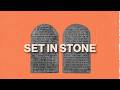
Exodus 20 introduces the Lord as the rescuer who brings a people out, then the third commandment draws a clear line: “You must not misuse the name of the Lord your God.” God first identifies himself as the Deliverer to make the point that his name carries covenant weight, rescue history, and holy reputation. The commandment therefore asks a heart question before it asks for mouth control: how much respect does a disciple actually have for God, and do words and actions make his name famous or flatten it into just another syllable?
The commandment presses into speech first. God’s name functions like a registered trademark that guards brand purity. That is why the text’s warning carries legal force: “He will not let you go unpunished,” which sounds like he is not dropping the lawsuit. Misuse treats God’s name as filler, venting, or shock value, and the casual “oh my god” or its euphemisms leak reverence out of the room. If the name that saves becomes the word that spices a sentence, significance and glory get shaved off with every flippant use.
The commandment then moves from lips to life. A crooked road sign sends people the wrong direction; a “goobed up” window doesn’t cancel the sun but blocks the view. Lives that confess one thing and practice another misdirect neighbors from the Way and obstruct the sightline to Christ. Israel’s story reads like a case file in Malachi, where blemished offerings and shrugged worship are called contempt for God’s name. God even says, in effect, “shut the doors,” because half-hearted sacrifices vandalize the brand of holiness. “Christian” is not a fire escape; it is a lived name. First Corinthians 10:31 pushes it to the ordinary: whether eating or drinking, everything either magnifies God’s worth or muddies it.
Yet the name is not only guarded, it is given for strength. David faces Goliath “in the name of the Lord of hosts.” Peter lifts a lame man “in the name of Jesus.” The apostolic witness writes so believers “may know” eternal life through the Son’s name. The church’s hope is tethered to who God is: Elohim, Yahweh, El Shaddai, Yahweh Nissi, Adonai, Jehovah Jireh, Wonderful Counselor, Mighty God, Everlasting Father, Prince of Peace. The commandment does not shrink the mouth; it enlarges worship and integrity, so that speech and lifestyle become a clear, straight signpost to the name above every name.
Key Takeaways
- 1. Guard the brand of God’s name. God stakes his reputation to his rescued people, and the commandment protects that brand purity. Treating his name as common speech dilutes the very glory that changes lives. The warning’s legal tone signals how seriously God defends his name. Reverence is not fussy manners; it is covenant loyalty. [37:37]
- 2. Let speech refuse flippant euphemisms. When God’s name becomes an exclamation point, the heart forgets who is being addressed. Even softened substitutes train the tongue to handle holy things lightly. A disciple’s vocabulary should coach the soul toward awe, not drain it. Words either thicken or thin reverence. [40:37]
- 3. Straighten the sign of your life. Crooked signs mislead, and foggy windows block the view; compromised lives do both. When confession and conduct part ways, neighbors learn to doubt the Way itself. Integrity is evangelism in plain sight, turning the name Christian from label into legible witness. [47:23]
- 4. Give God your first and your finest. Malachi names half-hearted offerings as contempt for God’s name, not just poor form. God would rather shut the doors than be represented by leftovers. Honor looks like firstfruits, not substitutions, because sacrifice teaches the heart what God is worth. [50:45]
- 5. Wear “Christian” as a lived name. “Christian” is not a fire escape but a whole-life allegiance that touches money, marriage, media, and Monday. First Corinthians 10:31 drags glory into eating and drinking, because nothing is neutral once the name is on a life. The name confers privilege and responsibility in one breath. [53:26]
Youtube Chapters
- [00:00] - Welcome
- [00:45] - Summer jump and house full
- [02:00] - Word association and name recognition
- [05:30] - Set in Stone: Ten Commandments
- [07:30] - The third commandment read
- [09:30] - What misuse really means
- [11:30] - Trademark and brand purity illustration
- [14:30] - Speech: euphemisms and flippant talk
- [17:30] - Three probing questions for disciples
- [20:00] - Lifestyle misuse: twisted sign and foggy window
- [23:30] - Israel’s pattern and Malachi’s rebuke
- [27:00] - “Christian” as lifestyle, not fire escape
- [29:00] - Do everything to God’s glory
- [30:30] - Power in the name: David, Peter, assurance
- [33:00] - Praying the names of God and closing charge