Jesus predicts the destruction of the Jerusalem temple and warns against being led astray by false claimants who will promise restoration through power and revolt. The temple’s size and sacred role are described to show why its fall shocked the people: it was the center of sacrifice, the holy of holies, and the symbol of God’s presence and national identity. The prediction that the temple would be razed forces a reorientation: the kingdom of God will not be reconstituted as a national, territorial empire but as a people who confess Jesus Christ as Lord.
False messiahs will exploit fear, promising political deliverance and a return to former glory, and their scriptural arguments will sound convincing. Such temptations reveal a deeper human inclination toward empire, privilege, and control—an impulse traced to Eden, echoed in the temptations of Jesus, and visible whenever the church aligns itself with worldly power. Political systems, institutions, and ideologies can become idols when trust shifts from the crucified and risen Christ to human plans for security and dominance.
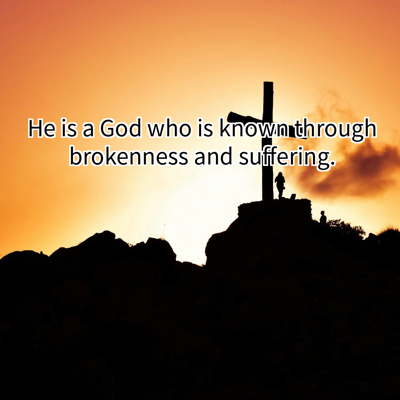
The nature of God’s rule contrasts sharply with imperial visions: God’s kingdom is not enacted through force but through vulnerability, sacrificial love, justice, and mercy. God’s self-revelation in Christ involves emptying, humiliation, and the cross rather than triumphal political victory. Because of that, entrance into the kingdom cannot be purchased through political allegiance, cultural nostalgia, or institutional strength; it is found in the way of the cross—repentance, forgiveness, and costly discipleship.
The call that follows is clear and demanding: refuse the lure of worldly empires, refuse uncritical conformity to any single human institution, and take up the cross daily. The faithful are urged to recognize idolatry when loyalty to an ideology or party silences conscience and replaces repentance. True security and lasting salvation are located not in systems of power but in the crucified and risen Christ, whose kingdom reconciles, restores, and redefines what it means to be God’s people.
Key Takeaways
- 1. Do not idolize political power Political allegiance becomes idolatry when it displaces ultimate trust and moral discernment. Worshiping systems or leaders reshapes conscience to defend privilege and aggression. Recognize when political posture silences repentance and compassion. Return allegiance to the crucified Lord who refuses empire.
- 2. Kingdom belongs to God’s people The kingdom’s locus is communal faith, not geography or state. Membership is defined by confession of Christ and sacrificial life, not nationality or cultural dominance. Being God’s people calls for mutual care, humility, and costly obedience. Seek identity in Christ’s body rather than in political belonging.
- 3. False messiahs promise violent restoration Promises of quick, forceful renewal prey on fear and longing for security. Such claims often rest on selective scripture and a desire to reclaim lost status. Discernment requires testing goals and methods against Christ’s humility and scripts of the cross. Reject leaders who equate salvation with power.
- 4. Entrance to God’s kingdom: the Cross The cross reframes strength as vulnerability, victory as self-giving love, and rule as service. Salvation comes through repentance, forgiveness, and participation in Christ’s suffering and resurrection. Embrace a discipleship that is costly, reconciling, and counter-imperial. Build life around the cross, not around human schemes.