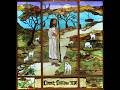
Announcements open with hospital updates, visitor recognition, and a call to prayer. The congregation moves from brief community notes into worship, offering thanks and invoking the promise of Christ’s presence where two or three gather. The Lord’s Prayer frames the gathering, and a passage from 1 Corinthians 11 grounds the assembly’s readiness to receive communion by recalling Jesus’ words at the Last Supper: the bread as his body and the cup as the new covenant in his blood.
The narrative then shifts to John’s account of the resurrection appearances. Disciples remain huddled in an upper room with doors locked, paralyzed by fear of persecution. Suddenly Jesus stands among them, speaks peace into their alarmed hearts, and commissions them with the same authority given by the Father. He breathes on them the Holy Spirit to empower their mission and gives a startling charge: to declare forgiveness of sins to those who will receive it, making the community a conduit for reconciliation.
The account highlights a complication—Thomas was not present for the first appearance and refuses to accept the testimony of his companions without tactile proof. A week later Jesus appears again, invites Thomas to touch the wounds, and calls him from doubt into belief. Jesus gently rebukes Thomas’s skepticism and pronounces blessing on those who believe without seeing. Thomas responds not with a checklist of proofs but with a profound confession: “My Lord and my God.” That confession distills the essential claim of Christian faith and serves as a model for personal declaration and recommitment.
The text closes by noting that many other signs occurred but that the selected signs were recorded to lead readers to believe that Jesus is the Christ, the Son of God. The gathering concludes with an invitation to affirm faith, an encouragement to recommit where needed, and a benediction asking for God’s peace and presence to keep and bless the community. The whole sequence moves from communal care and sacrament to mission, doubt, belief, and personal confession—framing the church’s identity as a forgiven, sent, Spirit-empowered people.
Key Takeaways
- 1. Peace enters amid their fear Jesus breaks the disciples’ paralysis by speaking peace into a locked room, showing that divine presence confronts fear before action. Peace here is not merely an emotion but the enabling reality that reorients fearful bodies toward mission. In moments of hiding or hesitation, this peace creates the space to receive God’s call. [36:44]
- 2. Commission and Spirit empower The Father’s sending becomes the community’s sending when Jesus breathes the Holy Spirit onto the disciples, linking authority with presence. Empowerment never arrives as a solo gift; it arrives as a communal enabling that equips ordinary people for sacramental, pastoral, and missional work. Bearing this Spirit means acting with the same intention and courage as the One who sent them. [37:24]
- 3. The church proclaims forgiveness Jesus grants a clear pastoral task: to make forgiveness known and accessible through proclamation and pastoral practice. This responsibility reframes ecclesial activity as restorative work—unburdening guilt, naming grace, and guiding repentant lives back into spiritual usefulness. Where that announcement stops, people remain captive to shame; where it lives, conversion and service can begin. [37:44]
- 4. Blessed faith beyond sight Thomas’s story elevates a faith that trusts without physical proof and celebrates confession over proof-seeking. The blessing pronounced on those who believe without seeing shifts the spiritual gaze from empirical verification to relational recognition of Christ. Confession—“My Lord and my God”—becomes the decisive act that binds trust, worship, and identity. [43:01]
Youtube Chapters
- [00:00] - Welcome
- [02:24] - Hospital updates & visitors
- [15:00] - Opening prayer
- [16:04] - The Lord’s Prayer
- [22:47] - Communion scripture (1 Corinthians 11)
- [35:39] - Transition to John’s resurrection
- [36:44] - Jesus appears and says "Peace"
- [37:24] - Breathing the Holy Spirit
- [37:44] - Commission to proclaim forgiveness
- [40:08] - Thomas absent and initial doubt
- [42:19] - Jesus invites Thomas to believe
- [44:18] - Thomas declares "My Lord and my God"
- [46:10] - Invitation, recommitment, and benediction