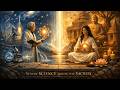
Explores the intersection of contemporary neuroscience and long-standing spiritual practice to argue that healing is an embodied, relational process. Drawing on Unity theology and recent research, the presentation affirms that divine life already pervades every cell, while science shows how contemplative practices alter brain networks, metabolism, immunity, and even gene expression. Historical testimony from Myrtle Fillmore is paired with modern studies of intensive meditation retreats to show continuity: interior shifts of belief, emotion, and attention reliably move physiology from survival to repair. Attention centers on the nervous system’s role as the gatekeeper of healing — when the nervous system senses safety, restorative processes engage; when it stays stuck in threat, inflammation and pain persist. Practical guidance emphasizes the disciplines that open the body to that healing intelligence: seated meditations, breath work, body scanning, group prayer/ritual, and daily habit-building to cultivate calm.
The presentation refuses either/or thinking: medical care and scientific measurement are honored alongside prayer, affirmation, and community ritual. Healing is reframed not as fixing a broken self but as befriending the body and creating inner conditions where innate wholeness can surface. The research summary encourages, not to dismiss symptoms, but to listen to them as signals and then use intention, compassionate attention, and community support to shift physiology. Listeners are urged to treat meditation as a practical therapy — small daily investments of time reshape neural pathways and strengthen immunity — and to approach healing with patience, curiosity, and steadiness rather than blame. The offer is a sustained six-week exploration in which contemplative practice, scientific literacy, and shared ritual are woven together to deepen both hope and embodied well-being.
Key Takeaways
- 1. Consciousness shapes the body's biology Intentional attention and emotional stance are not merely subjective experiences; they change measurable biology. Thought patterns, beliefs, and focused intention influence neuroplasticity, metabolic markers, immune activation, and gene expression—so inner work is a form of physiological intervention, not magical thinking. This reframes prayer and meditation as therapies that alter the internal milieu in which healing can occur. [24:33]
- 2. Safety activates the healing state The nervous system constantly asks “Am I safe?” and biology responds accordingly; safety permits rest, digestion, immune strengthening, and tissue repair. Creating felt safety—through breath, presence, community, and ritual—disables chronic threat responses and opens the body to restoration. This is a practical, biological rationale for compassion and slow practices rather than willpower-based healing. [30:52]
- 3. Meditation rewires brain and genes Sustained, disciplined meditation produces rapid changes in brain networks and downstream metabolic and genetic markers. Regular practice is not merely calming; it cultivates neuroplasticity and a physiology more conducive to healing, making short daily practices cumulatively powerful. The research on intensive retreats shows these transformations can be both profound and measurable. [19:52]
- 4. Healing is partnership, not blame Symptoms are real signals from a body doing protective work; they are not moral failures. The work of healing is to ally with the body—listening, creating safety, and allowing the divine intelligence within to move—rather than insisting on self-blame or unrealistic quick fixes. This posture preserves dignity and sustains long-term recovery. [45:57]
Youtube Chapters