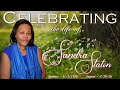
A congregation gathers in grief and celebration, holding together the reality that loss does not erase God's presence. Psalm 24 — "The earth is the Lord's, and everything in it" — reframes death as a return to rightful ownership rather than a seizure; persons never truly belong to human claim but to God, who holds the deed. That theological anchor shifts the focus from questioning why someone was taken to asking how life was stewarded while here. The life under review exemplifies stewardship: time used in faithful service, practical availability, and trusted care for others.
Faithfulness appears in attendance, steady support, and loyal commitment to leadership responsibilities; leadership invites scrutiny and friction, yet faithful commitment persists through it. Availability shows itself not only in being present for official duties but in showing up for celebrations, errands, and the small labor that sustains community—frying fish, cleaning kitchens, delivering checks. Trustworthiness emerges in relationships that bear confidences and ease: secrets kept, burdens shared, and the freedom to be oneself without constant vigilance.
Concrete stories illustrate these virtues: consistent presence during difficult seasons like the pandemic; quietly ensuring leaders received support at conventions; celebrating new unions and protecting personal news until the proper moment; and ordinary acts of service that made community life smoother and more joyful. Grief is real and painful; saying goodbye remains one of ministry’s hardest tasks. Yet the narrative turns grief into gratitude by remembering how a life was lived under God’s ownership.
A final metaphor casts life and death as boarding a plane: different zones do not change the destination; the call is to prepare and to enter when God calls. The family requests a committal at the cemetery and asks for standing respect from the community. Overall, the record honors a life that embraced belonging to God, invested time well, and modeled faithfulness, availability, and trust—the traits that made ordinary days form a holy legacy.
Key Takeaways
- 1. Belonging to God, not ownership Belonging reframes loss: humans never possess ultimate claim over life. Thinking of people as God's property changes lament into stewardship—questions become about how life was used, not why God took it. This view directs mourning toward gratitude for gifts entrusted and lived faithfully. [99:18]
- 2. Faithfulness shapes a life of service Faithfulness sustains even when leadership brings critique and strain. Remaining present through friction testifies to a primary allegiance beyond convenience or praise. Such constancy builds institutional memory and spiritual stability for future generations. [103:48]
- 3. Availability honors community needs Showing up for both liturgy and ordinary tasks makes worship possible and joy tangible. Presence in celebrations, errands, and hidden labors binds people into durable mutual care. Availability incarnates the theology of love through practical, repeatable acts. [106:02]
- 4. Trust anchors deep relationships Trust permits candidness, safeguards confidences, and frees relationships from performative restraint. When trust exists, communal life can be honest and restorative rather than defensive. Such trust becomes a spiritual resource in times of crisis and joy. [108:18]
Youtube Chapters