No matter how strong or successful someone appears, every person carries hidden wounds and private pain. God is not fooled by our public image or the masks we wear; He sees the struggles we try to hide from others and even from ourselves. The story of Naaman reminds us that God’s compassion reaches into the places we feel most vulnerable and ashamed. He invites us to bring our whole selves—both the parts we celebrate and the parts we conceal—into His presence.
When we acknowledge our private pain before God, we open ourselves to His healing touch. God does not promise a life without struggle, but He assures us that our pain will not have the final word. He meets us in our brokenness, offering hope and restoration that goes deeper than outward appearances.
“For the LORD sees not as man sees: man looks on the outward appearance, but the LORD looks on the heart.” (1 Samuel 16:7b, ESV)
Reflection: What is one area of hidden pain or struggle in your life that you have not brought honestly before God? Take a few moments today to name it in prayer and invite God into that space.
It is natural to approach God with our own ideas about how He should work in our lives. We often write detailed scripts for how we want deliverance, healing, or breakthrough to happen. When God’s answer looks different from our expectations, disappointment and confusion can set in. Spiritual maturity means learning to let go of our need to control the narrative and trusting that God, who knows us better than we know ourselves, has a better plan.
Letting go of our script is not easy. It requires humility and faith to believe that God’s ways are higher than ours, even when we do not understand them. As we surrender our expectations, we make room for God to work in ways that surprise us and ultimately lead to deeper transformation.
“Remember not the former things, nor consider the things of old. Behold, I am doing a new thing; now it springs forth, do you not perceive it? I will make a way in the wilderness and rivers in the desert.” (Isaiah 43:18-19, ESV)
Reflection: Where in your life are you holding tightly to your own plans or expectations for how God should act? What would it look like to release those to Him today?
God welcomes our honesty, even when it comes in the form of disappointment, confusion, or frustration. Lament is a sacred practice that allows us to bring our raw emotions before God, trusting that He is big enough to handle our questions and pain. Like Naaman, we may feel let down when God’s ways do not match our hopes, but God invites us to process our grief and unmet expectations in His presence.
Honest lament is not a sign of weak faith; it is an act of trust. When we bring our sorrow and confusion to God, we create space for Him to comfort us and transform our pain. In lament, we hold grief and hope together, believing that God is at work even in our darkest moments.
“I pour out my complaint before him; I tell my trouble before him. When my spirit faints within me, you know my way!” (Psalm 142:2-3a, ESV)
Reflection: What disappointment or frustration have you been hesitant to express to God? Try writing a prayer of honest lament, sharing your heart with Him today.
True surrender is not passive; it is an active choice to trust God’s wisdom and follow His instructions, even when they seem strange or difficult. Naaman’s healing came only after he obeyed God’s unusual command, setting aside his pride and preferences. Our willingness to obey God, especially when it challenges our comfort or understanding, positions us to receive the deeper work He wants to do in us.
Obedience is often the pathway to unexpected breakthroughs. When we choose to follow God’s lead rather than our own, we open ourselves to transformation that goes beyond our immediate desires. God honors our surrender and uses it to shape us for His greater purposes.
“And Samuel said, ‘Has the LORD as great delight in burnt offerings and sacrifices, as in obeying the voice of the LORD? Behold, to obey is better than sacrifice, and to listen than the fat of rams.’” (1 Samuel 15:22, ESV)
Reflection: Is there a specific step of obedience God is asking you to take right now, even if it feels uncomfortable or unclear? What is holding you back, and how can you trust Him with it today?
God’s work in our lives is often gradual, requiring patience and trust in His timing. Sometimes, the process feels slow or the outcome looks different from what we hoped for. Yet, God’s delays are not denials; they are opportunities for deeper growth and preparation. He is more concerned with our transformation and salvation than with quick fixes to our circumstances.
As we learn to trust God’s process, we discover that His priorities are higher and wiser than our own. He is always working for our good, shaping us to reflect His character and preparing us for greater things. Patience with God’s timing allows us to experience the fullness of His purpose in our lives.
“And you shall remember the whole way that the LORD your God has led you these forty years in the wilderness, that he might humble you, testing you to know what was in your heart, whether you would keep his commandments or not.” (Deuteronomy 8:2, ESV)
Reflection: In what area of your life do you feel impatient with God’s timing or process? How might God be using this season to prepare you for something greater? Take time to ask Him for patience and trust today.
of the Sermon:**
In this sermon, we explored the story of Naaman, a powerful Syrian commander who suffered from the private pain of leprosy. Despite his public status, Naaman’s journey to healing required him to confront his own expectations and surrender to God’s plan, which looked very different from what he imagined. The message challenged us to recognize that, like Naaman, we often write our own scripts for how God should deliver us, but true transformation comes when we throw away our scripts and trust God’s process—even when it’s uncomfortable, slow, or unfamiliar. We were reminded that God welcomes our honesty, even our disappointment, and that His priorities for our lives often go deeper than our immediate desires. Ultimately, God’s deliverance is about more than fixing our circumstances; it’s about transforming us from the inside out and aligning us with His greater purpose.
**K
No matter how many followers you have or how much success you achieve, none of us are exempt from private pain. We all have battles that others can’t see, even while we show strength in public.

Sometimes, God changes your lines so He can change your life. We want to be the directors of our own deliverance, but God is asking, “Will you follow Me, even when the script is different?”
We often hold God to promises He never made, expecting Him to fit into the story we’ve written for ourselves. But true faith means letting go of our script and trusting His plan, even when it doesn’t match our expectations.

God welcomes honesty more than hypocrisy. He wants us to bring our real emotions—our pain, our disappointment, our questions—to Him, rather than pretending everything is okay.
Surrendering to God’s plan doesn’t mean defeat—it means trusting that He knows what’s best, even when the path looks different than we imagined. Obedience unlocks outcomes we could never have written for ourselves.
Sometimes, God’s deliverance is slow-cooked, not microwaved. You might smell the promise, but you can’t taste it until it’s done marinating. Some blessings must be slow-cooked in trust, obedience, patience, and faith.
Naaman wanted his skin healed, but God was more concerned with healing his spirit. God’s priorities are different from ours—He’s working from the inside out, preparing us for greater things.
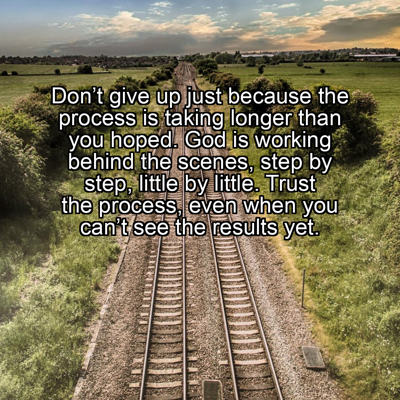
Don’t give up just because the process is taking longer than you hoped. God is working behind the scenes, step by step, little by little. Trust the process, even when you can’t see the results yet.

Prayer isn’t a magic charm to get what we want from God. It’s an invitation to align our hearts with His will and to ask, “What would You have me do in this season between pain and breakthrough?”

God’s grace is like a free sample—He extends mercy to everyone, even those who feel like outsiders. His salvation isn’t limited by borders or backgrounds; He’s greater than you imagined.
Hi, I'm an AI assistant for the pastor that gave this sermon. What would you like to make from it?
Add this chatbot onto your site with the embed code below
<iframe frameborder="0" src="https://pastors.ai/sermonWidget/sermon/same-cast-different-script-pastor-ej" width="100%" height="100%" style="height:100vh;"></iframe>Copy