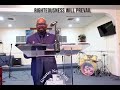
Habakkuk opens with a raw lament about unchecked violence and apparent triumph of the wicked, and the content insists that such grief receives a divine answer: righteousness will ultimately prevail. The narrative describes a prophet who cannot reconcile God’s justice with visible injustice, and the text presses readers to hold tension between present confusion and promised vindication. The content calls for patient obedience rather than impatient intervention; waiting becomes an act of faith when paired with doing what God commands. It stresses that God sees the injustice, hears the cries, and plans redemptive action in due time.
The content also urges inner resilience: cultivating joy in the heart and steadfast faith shields against the corrosive pull of despair when evil appears to prosper. The account offers personal testimony about waiting well—allowing God to order steps, even when deliverance arrives in unexpected places and seasons. Justice may tarry, but God’s holiness refuses wickedness forever, and divine timing transforms bewilderment into rejoicing once God answers.
Practical compassion flows from this theology. The material warns against quick judgment of the vulnerable and encourages active mercy—helping those who are down without condemning them. Persistent prayer, humble patience, and obedient action form a triad of response: pray honestly, wait faithfully, and do what God directs while refusing to be entangled by pride, lust, or worldly distraction. A closing anecdote about a child’s wish to be treated like the family television underscores the plea not to judge outward circumstances and to seek tender community instead.
Ultimately the content grounds hope in God’s sovereignty: God knows, God acts, and God orders lives toward restoration. The message refuses easy optimism but insists on firm confidence that divine justice will arrive; until then, the faithful hold fast to joy, righteousness, and compassion as both witness and refuge.
Key Takeaways
- 1. Practice patient obedience to God Patient waiting does not mean passive resignation. It means aligning daily choices with God’s instructions while resisting impulsive fixes that undermine God’s work. Patient obedience honors God’s timing and preserves spiritual clarity when outcomes remain unclear. This posture prepares the heart for rejoicing when justice arrives. [03:45]
- 2. Trust that justice is coming Apparent triumph of wickedness does not nullify divine judgment. God hears lament and intends to act so that righteousness will be vindicated in due time. Expect intervention that fits God’s wisdom rather than human impatience. Hope anchors the soul through moral confusion. [11:17]
- 3. Allow God to order steps Deliverance sometimes requires unexpected detours that remove the person from the problem. God’s direction may lead into difficulty before it leads out, and those ordered steps reshape character while solving the issue. Embrace providential movement even when the route looks strange. Submission to God’s navigation yields long-term healing. [13:35]
- 4. Show mercy without judging Helping the downcast must prioritize restoration over assessment of blame. Compassion treats people as image bearers, not case studies, and resists the easy temptation to moralize suffering. Tender presence and practical aid reflect God’s justice-in-waiting. Mercy keeps the community whole while awaiting divine resolution. [16:13]
Youtube Chapters
- [00:00] - Welcome
- [00:12] - Scripture reading: Habakkuk 1:1-5
- [01:23] - Declaring the theme: Righteousness prevails
- [03:45] - The call to patient faith
- [05:28] - Why righteousness will win
- [10:09] - Waiting while obeying God
- [11:17] - Promise: justice is on its way
- [13:35] - God orders steps in life
- [15:09] - Corruption and social grief described
- [21:27] - Child’s essay: a lesson on judgment
- [24:00] - Final encouragement and closing