The liturgy opens on Easter with prayers of blessing, gratitude, and the sprinkling of baptismal water as a memorial of baptism. The assembly calls upon God to renew the living spring of grace, asking that baptism defend from spiritual and bodily ills and make hearts worthy to receive salvation. A set of prayers and the Gloria lead into an extended reflection on the Paschal mystery, anchored in the image of new birth and a living hope. Scripture language frames salvation not merely as moral improvement but as a radical re-creation: God makes people into someone new, granting an inner vitality that surpasses past failures and frozen identities.
The resurrection appears as an active presence rather than a distant event. This living hope begins now in relationship with the risen Jesus, who enters human fears and refuses to abandon the troubled heart. The text rejects a fear-based spirituality and calls the faithful to live outside tomb-like safety, to move into an unstable world while trusting that mercy accompanies every step. Humanity’s growth toward a tipping point of expanded compassion encourages risk: love more boldly, give more generously, and relinquish lesser concerns because ultimate hope endures beyond suffering and even death.
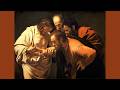
Personal assurance emerges in stories of encounters with the risen Christ—first to Mary in grief, then to Thomas and Peter—underscoring that God remembers and seeks each person. The profession of faith recites the creed, then the community offers petitions for the living and the dead, invoking unity, mercy, and the hope of the resurrection. The Eucharistic prayers celebrate Christ as the true Paschal Lamb whose dying destroys death and whose rising restores life. The liturgy closes with prayers for peace, specific intentions for members and ministers, reception of communion, and a final blessing that sends the community forth to embody the creative, transformative love revealed in Easter.
Key Takeaways
- 1. New birth into living hope Peter’s language reframes salvation as being given new life rather than mere moral repair. This new birth reorients identity, dislodging fixed stories about past failures and calling the heart to ongoing transformation. The living hope unfolds now in relationship with the risen One and carries forward beyond death, anchoring action in resurrection reality. [38:09]
- 2. Resurrection reshapes identity, not improvement The resurrection remakes persons at their core instead of polishing existing habits or reputation. That remaking reframes suffering and shame as elements within a larger narrative of renewal, allowing vulnerability to be transformed rather than denied. Embracing this reshaping frees decisions from defensive self-preservation and opens room for courageous change. [38:46]
- 3. Hope is active, not optimism This hope refuses passivity; it acts in the presence of fear and persists through trials. It locates security not in avoiding risk but in the risen Christ’s continual companionship amid chaos. Practically, active hope changes choices, prompting movement toward healing, reconciliation, and courageous love. [41:09]
- 4. Love boldly; let fear go The resurrection authorizes risk-taking in love because love given endures beyond loss and death. Bold generosity reshapes communities, nudging humanity toward a tipping point of wider compassion and conscience. Choosing love over self-protection becomes a spiritual discipline grounded in the certainty that mercy accompanies each brave step. [43:51]
Youtube Chapters