Oct 13, 2026
Paul writes to people who are already Christians. He reminds them of a past event. He says, "Since you have been raised to new life with Christ." This was not their own doing. They did not raise themselves. God did the raising. This is the foundation of everything that follows. It is a work of pure grace.
Because God raised them, they can now do something. They can set their sights on the realities of heaven. They can focus their minds and hearts on where Christ is. He sits in the place of honor at God’s right hand. Their new life is secure because it is hidden with Christ in God. Their ultimate future is to share in His glory.
You have this same secure life in Christ. Your identity is not found in your performance but in His finished work. This truth frees you from the pressure of self-improvement. It invites you to lift your gaze from earthly struggles to heavenly realities. Where is your primary focus set today?
Since, then, you have been raised with Christ, set your hearts on things above, where Christ is, seated at the right hand of God. Set your minds on things above, not on earthly things. For you died, and your life is now hidden with Christ in God.
(Colossians 3:1–3, NIV)
Prayer: Thank God for raising you to new life in Christ, entirely by His grace.
Challenge: Write down one practical way you will “set your mind on things above” today.
Paul names the glitches that disrupt our lives. He lists ten specific sins. These include sexual immorality, impurity, lust, evil desires, and greed. Later he adds anger, rage, malice, slander, and filthy language. These are not just random bad behaviors. They are all symptoms of a single disease.
The underlying disease is selfishness. Each sin flows from a heart that says, “I’ve got mine.” Greed refuses to consider the needs of others. Lust treats another person as an object for personal gratification. Malicious behavior and slander tear others down to build oneself up. This self-centeredness is love locked on a false center.
We see these same glitches in our own hearts. We prioritize our comfort over another’s dignity. We use words as weapons to protect our ego. We harbor secret desires that objectify people God loves. These sins bring death and disrupt God’s design for community. What selfish desire are you most tempted to protect today?
Put to death, therefore, whatever belongs to your earthly nature: sexual immorality, impurity, lust, evil desires and greed, which is idolatry. But now you must also rid yourselves of all such things as these: anger, rage, malice, slander, and filthy language from your lips.
(Colossians 3:5, 8, NIV)
Prayer: Ask God to reveal the specific selfishness behind one of your recurring struggles.
Challenge: Identify one instance today where you can choose “we” instead of “me.”
Paul’s command is stark and direct. He does not suggest we manage our sin. He does not advise us to keep it secret. He gives a three-word order: “Put to death.” We are to kill whatever belongs to our earthly nature. This is a violent command against the sin that seeks to destroy us. It requires decisive action.
This is only possible because of the new life we already possess. We do not muster this strength from within. We act in the power of the resurrection life God has given us. We put to death the old ways because we are already new creations. God’s anger comes upon the disobedient because He loves us and hates what harms us.
You have the power through Christ to put your sin to death. This means no negotiation and no compromise. It means turning away from the secret indulgence. It means rejecting the thought before it becomes action. It is a conscious choice to starve the sin that seeks to control you. What one thing will you put to death today?
For you know that God’s justice will come upon those who do such things. You used to walk in these ways, in the life you once lived. But now you must also rid yourselves of all such things as these.
(Colossians 3:6–8, NIV)
Prayer: Confess one specific sin and ask God for the power to put it to death completely.
Challenge: Make a concrete plan to avoid the trigger for that sin today.
After putting off the old, we must put on the new. Paul presents the divine reboot. This is not just deleting corrupt files. It is installing a new operating system. He says to “put on your new nature.” This new self is not a slightly improved version of the old one. It is a completely new creation.
This renewal happens as we learn to know our Creator. The more we know God, the more we become like Him. This is the work of the Holy Spirit within us. Christ Himself lives in all believers. This reboot has two steps. First, God forgives us and cleanses our guilt through Jesus. Then, God transforms us to be more like Jesus.
Your spiritual growth is about knowing your Creator. It is a relational process, not a religious checklist. As you spend time with God, His character slowly shapes yours. The old glitches are replaced with new, life-giving software. How are you actively learning to know your Creator today?
Do not lie to each other, since you have taken off your old self with its practices and have put on the new self, which is being renewed in knowledge in the image of its Creator.
(Colossians 3:9–10, NIV)
Prayer: Ask God to renew your mind and heart as you seek to know Him better.
Challenge: Set aside ten minutes to read a Psalm and learn about God’s character.
The reboot has a social outcome. It destroys the barriers that divide people. Paul lists the major divisions of his world: Jew and Gentile, religious and irreligious, cultured and uncivilized, slave and free. These categories no longer define God’s people. They are rendered meaningless in the new creation.
The only thing that matters is Christ. He is everything. And He lives in every believer. This truth creates a new, supernatural community. Our unity is not based on shared income, ethnicity, or education. Our unity is based on Christ living in each of us. We are family because we share the same life.
Your call is to see Christ in every other believer. You must look past external differences to the indwelling Lord. This means offering your hand to a brother or sister who is not like you. It means valuing the family of God over your personal preferences. Who is one person in God’s family you need to see with new eyes?
Here there is no Gentile or Jew, circumcised or uncircumcised, barbarian, Scythian, slave or free, but Christ is all, and is in all.
(Colossians 3:11, NIV)
Prayer: Ask God to give you His love for a fellow Christian you find difficult to understand.
Challenge: Initiate a conversation with someone at church from a different background than you.
Colossians 3:1-11 presents the Christian life as a divine reboot. Rules, bodily discipline, and religious self-denial cannot conquer the evil desires within; they only treat the symptoms. Since believers have been raised to new life in Christ, they must set their sights on heaven, where Christ reigns in honor at God’s right hand. Their true life is hidden with Christ in God, and Christ’s return will bring them into shared glory.
This new life begins with grace, not self-improvement. God raises people into spiritual life, forgives their sin, and begins the work of transformation through Christ and the Holy Spirit. Heaven becomes the goal that shapes the present, especially in moments of suffering, grief, and death. The hope of meeting Christ gives courage and comfort because earthly life is not the final reality.
Paul identifies the sinful patterns that disrupt human flourishing: sexual immorality, impurity, lust, evil desires, greed, anger, rage, malicious behavior, slander, and filthy language. These sins arise from a deeper disease—self-centeredness. Greed says, “I’ve got mine,” while lust turns a person into an object to be used rather than someone to be cherished. Sin rejects God’s light, harms others, and brings judgment because God cares about the life sin destroys. Therefore, believers must not excuse, hide, or secretly indulge sin; they must put it to death through God’s power.
The divine reboot includes two movements. First, people receive forgiveness through the atoning sacrifice of Jesus as they turn from their sinful ways and are reconciled to God. Second, the Holy Spirit renews them, shaping them into the likeness of Christ. The new nature replaces the old, and Christ living within makes holiness possible.
This transformation also changes relationships. In Christ, ethnic, religious, social, and economic distinctions no longer determine a person’s worth or place among God’s people. Christ is all that matters and lives in all who belong to him. Reconciliation with God creates a community where former barriers give way to mutual care, shared dignity, and practical love. The fresh start becomes visible when people seek forgiveness from those they have harmed and take responsibility for the consequences of selfishness.
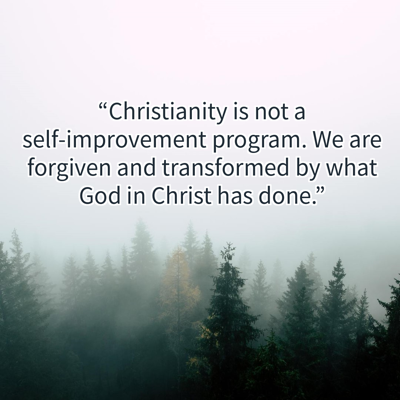
“Christianity is not a self-improvement program. We are forgiven and transformed by what God in Christ has done.”
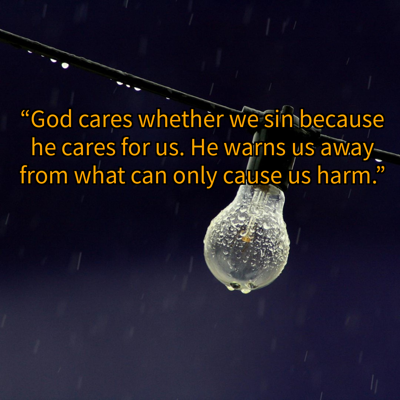
“God cares whether we sin because he cares for us. He warns us away from what can only cause us harm.”
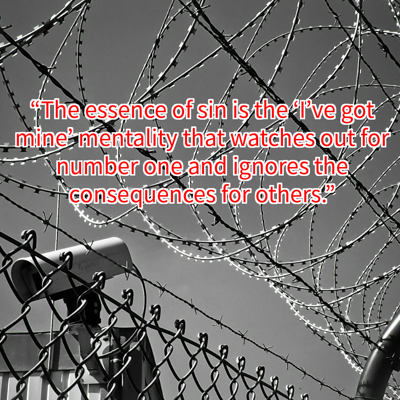
“The essence of sin is the ‘I’ve got mine’ mentality that watches out for number one and ignores the consequences for others.”
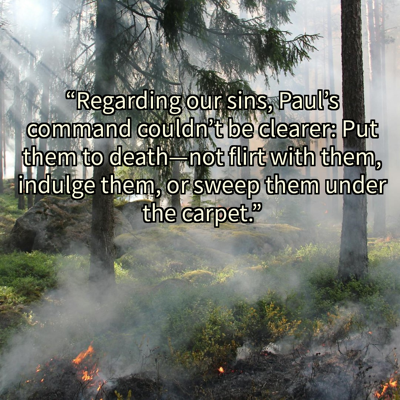
“Regarding our sins, Paul’s command couldn’t be clearer: Put them to death—not flirt with them, indulge them, or sweep them under the carpet.”
“The divine reboot begins with forgiveness and continues as God shapes us to become more and more like Jesus.”
“The divine reboot restores us to the purpose God intended for us.”
“When God in Christ has done something in our hearts, we can take each other’s hands and show the world what Christians look like.”
“The good news we have to share is simple: It doesn’t have to be this way.”
Hi, I'm an AI assistant for the pastor that gave this sermon. What would you like to make from it?
Add this chatbot onto your site with the embed code below
<iframe frameborder="0" src="https://pastors.ai/sermonWidget/sermon/reboot-colossians-3-1-11" width="100%" height="100%" style="height:100vh;"></iframe>Copy