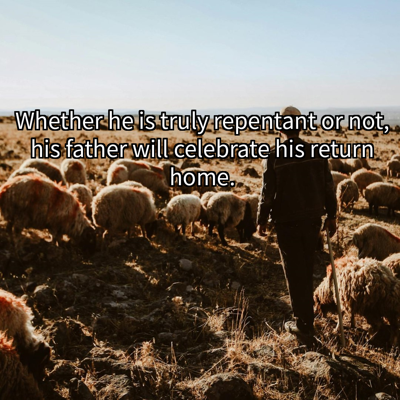
The parable of the prodigal son (Luke 15:11-32) unfolds as a story about a man with two sons, each lost in a different way, and a father whose behavior reveals the heart of God. Jesus tells the story in response to complaints that he welcomes tax collectors and sinners, placing the younger son alongside those who have wandered and the older son alongside the religious critics. The father surprises by granting the younger son his inheritance, by running to embrace him while he is still far off, and by leaving the celebration to plead with the elder son to join the feast. Those surprises serve as windows into divine freedom, compassion, and persistent invitation.
The younger son models the one who departs, squanders his share, and returns hungry and ashamed. The narrative insists that return matters more than the purity of motive; the father welcomes without demanding a fully formed repentance first. The elder son models the one who never left but grows inwardly alienated through judgment and entitlement; his complaint exposes a spiritual blindness that can keep someone outside the party of grace. The story refuses to resolve the elder son’s choice, leaving the question of whether he will enter the celebration open-ended.
Theological themes cohere around grace that precedes and outruns human merit, free will that allows ruin and restoration, and a joy in heaven over each person found. The parable presses that all are capable of being lost—by flight or by fidelity turned bitter—and that God’s love seeks both kinds. The invitation at the center of the story calls for a reorientation: not to assess worthiness but to receive the reality of a God who both waits and runs, who celebrates restoration with extravagant joy. Heaven’s rejoicing accompanies every return, and the only appropriate human posture is to join the feast rather than stand outside measuring others’ failures.
Key Takeaways
- 1. God welcomes without prior perfection God’s acceptance does not hinge on moral completeness or perfect motive. The father’s embrace happens while the son is still distant, which means acceptance often arrives before full self-understanding. This unsettles systems that require works as currency for belonging and insists that belonging itself becomes the soil in which repentance and transformation grow.
- 2. Return matters more than motive The act of turning toward home breaks the cycle of alienation, even when mixed with self-interest or survival. The narrative grants that intention can be complicated, yet the movement back initiates reconciliation. This teaches that small, imperfect steps toward God trigger divine hospitality and real change.
- 3. Self-righteousness is a hidden exile Staying put while nursing anger or entitlement produces a different kind of lostness than wandering. The elder son’s anger isolates him from joy and from communal restoration, showing that moral accomplishment can mask spiritual poverty. True repentance includes humility to enter the celebration without bargaining for special credit.
- 4. God pursues both wandering and remaining alike God’s love manifests both in patient waiting and in active pursuit; sometimes God lets freedom lead to lessons, sometimes God meets people in their need. Both responses flow from the same compassionate heart and aim at restoration, not punishment. This theological posture reframes ministry and discipleship around invitation and rejoicing rather than control or exclusion.