Bible Study Discussion Guide
Bible ReadingPsalm 1:1-6 (ESV)> Blessed is the man
> who walks not in the counsel of the wicked,
> nor stands in the way of sinners,
> nor sits in the seat of scoffers;
> but his delight is in the law of the Lord,
> and on his law he meditates day and night.
> He is like a tree
> planted by streams of water
> that yields its fruit in its season,
> and its leaf does not wither.
> In all that he does, he prospers.
> The wicked are not so,
> but are like chaff that the wind drives away.
> Therefore the wicked will not stand in the judgment,
> nor sinners in the congregation of the righteous;
> for the Lord knows the way of the righteous,
> but the way of the wicked will perish.
Luke 22:39-46 (ESV)> And he came out and went, as was his custom, to the Mount of Olives, and the disciples followed him. And when he came to the place, he said to them, “Pray that you may not enter into temptation.” And he withdrew from them about a stone’s throw, and knelt down and prayed, saying, “Father, if you are willing, remove this cup from me. Nevertheless, not my will, but yours, be done.” And there appeared to him an angel from heaven, strengthening him. And being in agony he prayed more earnestly; and his sweat became like great drops of blood falling down to the ground. And when he rose from prayer, he came to the disciples and found them sleeping for sorrow, and he said to them, “Why are you sleeping? Rise and pray that you may not enter into temptation.”
Observation Questions- According to Psalm 1, what is the difference between the righteous and the wicked? How are the wicked described?
- In the sermon, what does the speaker say about the fruits of suffering and faithfulness—are they always visible right away? ([00:26])
- What does Jesus pray for in the Garden of Gethsemane in Luke 22:39-46? What does this show about his attitude toward God’s will?
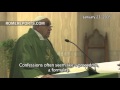
- How does the sermon describe “Christians in name only” compared to those with a true interior relationship with God? ([01:41])
Interpretation Questions- Why might God allow the fruits of our suffering or faithfulness to remain hidden for a time? How does this relate to the experience of Good Friday and Holy Saturday? ([00:49])
- What are some dangers of focusing only on outward appearances or religious routines, according to the sermon and Psalm 1? ([01:16])
- How does prayer help us to know and do God’s will, based on both the sermon and Jesus’ example in Luke 22? ([02:10])
- The sermon mentions that the Holy Spirit brings newness and surprises to the Church. What might it look like for a church or individual to be open to the Spirit’s guidance? ([03:36])
Application Questions- Think about a time when you felt like your efforts or suffering were not producing any visible results. How did you respond? How might trusting in God’s unseen work change your perspective in similar situations? ([00:49])
- Are there areas in your life where you are tempted to “look” Christian on the outside but are not letting God transform your heart on the inside? What is one step you could take this week to move toward greater authenticity? ([01:41])
- When you pray, do you tend to focus more on asking God for things, or on seeking to know and do His will? What is one way you could shift your prayer life to be more about listening and discerning? ([02:10])
- The sermon warns against making confession or other spiritual practices into empty routines. Is there a spiritual habit in your life that has become mechanical? How could you make it a more genuine encounter with God? ([02:38])
- The speaker encourages us to ask God for the Holy Spirit’s guidance. When was the last time you specifically prayed for the Holy Spirit to help you discern what to do? What is one area of your life where you need that guidance right now? ([03:09])
- The Church is called to be open to the newness the Holy Spirit brings. Is there something new or unexpected that God might be inviting you or your community into? How can you be more open to the Spirit’s surprises? ([03:36])
- Psalm 1 talks about delighting in God’s law and meditating on it day and night. What is one practical way you can make space for God’s Word in your daily routine this week?