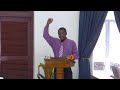
Matthew 5:9 sets before the family in Christ a plain word: “Blessed are the peacemakers, for they shall be called the children of God.” Peace is not just quietness or the absence of noise, but a state where conflict and hostility have been dealt with. Jesus connects peacemaking with being children of God because God himself is the supreme peacemaker.
God initiated reconciliation after sin separated Adam and Eve from him. Isaiah names the coming Messiah “the Prince of Peace,” the angels announce peace at his birth, and Christ says “it is finished” on the cross because his mission of reconciliation is complete. Christ even prays, “Father, forgive them,” showing no hostility or animosity toward those crucifying him. The risen Christ then says, “Peace be with you,” and sends his disciples into that same ministry.
Ephesians 2 says Christ is peace, breaking down the wall between Jew and Gentile and reconciling both to God through the cross. Peace with God does not come through religious rules, rituals, denominations, or church background. John says those who receive Christ are given exousia, the authority, the legal right, to be called children of God. Religion cannot save, because if righteousness came by the law, then Christ died in vain.
Fellowship with God must then be maintained by walking in the light. John says God is light, and no darkness can dwell in him. Darkness includes pride, greed, lust, gossip, malice, unforgiveness, idolatry, addictions, and all sinful habits lodged in the flesh. James tells believers to submit to God, resist the devil, and draw near to God, because church membership is not the same as fellowship with the light.
Jesus then turns peacemaking toward fellow men. Matthew 5 teaches that reconciliation comes before offerings, because God values a healed relationship more than money in the basket. Matthew 18 teaches that forgiven people must forgive, because the servant forgiven sixty million dollars had no right to choke a man over one hundred. Unforgiveness brings torment, not freedom.
Second Corinthians 5 names the church’s first ministry as reconciliation. The church is not first ambassador for a denomination, but ambassador for Christ. Jesus’ instruction in Matthew 18 shows that the church should be a community of peacemakers ready to intervene when conflict rises. James 3 shows why division continues: earthly wisdom is bitter, unspiritual, and demonic, but wisdom from above is pure, peaceable, gentle, merciful, and full of good fruit. Romans says to live peaceably as much as possible, and Hebrews says to pursue peace and holiness, because without that no one will see God.
Key Takeaways
- 1. Christ alone makes peace with God Christ is not one option among religious efforts, but the only ground where sinners meet God in peace. Religion can give structure, history, and identity, but it cannot remove enmity or cleanse guilt. The cross, not church background, gives the legal right to be called children of God. [05:33]
- 2. Fellowship with light exposes darkness God’s light does not merely comfort; God’s light searches, separates, and cleanses. A believer can have membership and still carry darkness that blocks fellowship. Drawing near to God means allowing the hidden habits of the flesh to be named and driven out by his radiance. [11:19]
- 3. Reconciliation outranks religious offerings God refuses to let worship become a cover for malice. A gift at the altar cannot substitute for the hard obedience of making peace with a brother or sister. The issue is not the size of the offering, but whether the heart is willing to seek repair where hostility has taken root. [18:14]
- 4. Forgiven servants must forgive freely The forgiven servant’s cruelty shows how strange unforgiveness is in the life of one who has received mercy. God’s forgiveness is not meant to stop at the person who receives it; it is meant to flow outward into patience, compassion, and release. Unforgiveness may feel like control, but Jesus names its fruit as torment. [20:29]
- 5. Divine wisdom produces peaceful fruit James makes the source of wisdom visible by the fruit it produces. Earthly wisdom can sound intelligent and still be bitter, divided, and demonic. Wisdom from above is not weak; it is pure, peaceable, merciful, and strong enough to heal what pride keeps tearing apart. [30:25]
Youtube Chapters
- [00:00] - Welcome
- [00:51] - Prayer for a Living Sanctuary
- [02:40] - Blessed Are the Peacemakers
- [03:23] - The Father as Supreme Peacemaker
- [05:33] - Peace With God Through Christ
- [11:06] - Maintaining Peace Through Fellowship
- [17:07] - Practicing Peace by Living the Word
- [20:29] - Forgiving as the Forgiven Servant
- [23:42] - Promoting Peace as Ministers of Christ
- [28:06] - Earthly Wisdom and Divine Wisdom
- [33:06] - Recap of Peacemaking
- [34:10] - Live Peaceably as Much as Possible
- [35:33] - Shoes of the Gospel of Peace