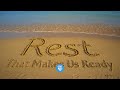
Jesus as Lord of the Sabbath puts rest back in its rightful place. The title that closes the David-and-the-bread debate does more than win an argument. It names who actually governs time, hunger, and the human frame. The Lordship of Jesus over Sabbath does not crush; it frees. The Son of Man owns rest and then hands it out.
The contrast between busyness and trust drives the story forward. Mark’s schedule is packed, his heart is thin, and the line that keeps surfacing is, “I ain’t got time for that.” The tension exposes a deeper issue. Control pretends to secure life, but it slowly steals it. Trust releases the white-knuckle grip and returns time to God.
Jesus’s own pattern underlines the point. Luke shows Jesus stepping away to pray through the night. The move is simple and stubborn. Work is not ultimate. Communion is. If the busiest person in the story can walk off the stage for prayer, then the economy of the kingdom runs different than anxiety’s calendar.
The fable puts truth in the mouths of friends. Jim’s banter breaks the ice, but Kyle’s voice names reality, and Diana’s tears seal it. Community serves as the mirror busyness will not hold. Love risks saying, “You’re a shell of the man you were,” not to shame but to rescue.
Rest shows up with four faces. Bodies need sleep. Minds need quiet. Emotions need gentleness. Souls need God. The call is not rest from God but rest in God. That shift reframes “time off” as worship and trust, not escape.
The gift lands in practical places. Students can enjoy summer without apology. Workers can take the vacation already earned. Retirees can take the holy nap. The point is not laziness; it is stewardship. Time belongs to Jesus, so his people may receive it as a blessing, not as a rival to productivity.
The invitation finally sounds like permission and command at once. Use the rest Christ modeled. Receive the Sabbath he governs. Call off the self-appointed job of running the universe. Let the Lord of the Sabbath be Lord, and let a human be human again.
Key Takeaways
- 1. Jesus is Lord of rest Jesus does not just defend Sabbath; he authors it and models it. His authority turns rest from a rule to a refuge, and from a loophole to a lifeline. When his Lordship sets the tempo, rest is no longer a guilty pleasure but obedience shaped by trust. [32:07]
- 2. Busyness exposes a trust problem Overwork often sounds noble, but it can mask fear, control, and unbelief. The refusal to step away says, “If I stop, everything falls,” which is another way of saying God cannot be trusted. Faith lays work down, not because work is bad, but because God is better. [43:47]
- 3. Rest is body, mind, and soul Real sabbath is not a nap only, nor a vague spirituality; it is integrated recovery. Bodies sleep, minds unclench, emotions thaw, and spirits lean into God, not away from him. That fullness keeps rest from becoming escapism and turns it into formation. [42:36]
- 4. Community interrupts self-deception Friends who love enough to speak truth can break the spell of productivity-addiction. Honest words, even through humor and tears, re-humanize a tired heart and call it home. Grace often arrives as a voice across the room that says, “You’re not fine, and you’re still loved.” [38:22]
- 5. Receive sabbath as blessed provision Sabbath is not a perk earned by finishing the list; it is a gift granted by the Lord who runs the world without human help. Receiving it is humble, not indulgent, because it confesses creatureliness. Blessing flows where people stop long enough to be blessed. [44:06]
Youtube Chapters