The baptismal pool ripples as Kate declares “Yes” to Christ’s salvation. Four believers step into water before cheering families, rejecting old lives to pledge new allegiance. Jesus commanded public confession—not private devotion—as the mark of discipleship. Baptism shouts what the cross achieved: death to sin’s chains, resurrection to grace’s freedom. [12:00]
Jesus linked earthly testimony with heavenly recognition. When disciples own Him before others, He owns them before the Father. This mirrors His own public sacrifice—a naked cross proclaiming redemption to all. Our boldness fuels heaven’s testimony.
Your faith was meant for daylight. Whispers in prayer closets must become proclamations in workplaces. Who hears your “Yes” to Jesus louder: your church family or your neighbor? When did you last risk reputation to affirm His lordship?
“Everyone who acknowledges me before men, I also will acknowledge before my Father who is in heaven.”
(Matthew 10:32, ESV)
Prayer: Ask Jesus for one opportunity today to name Him boldly before someone unfamiliar with His grace.
Challenge: Text a baptized believer from Sunday; affirm their courage and pray for their next steps.
Moses gripped aging hands, addressing Israel’s new generation at Jordan’s edge. “Fear the Lord,” he urged, linking obedience to inheriting the land (Deuteronomy 6:1-3). This fear wasn’t terror but awe—recognizing God’s loving power and right to rule. The atheist envied this: believers anchored by reverence for Someone greater. [52:06]
God’s favor follows holy fear. Israel’s forty-year detour proved rebellion’s cost; their children’s inheritance showed reverence’s reward. Fear aligns us with reality: He is Potter; we are clay. Bending the knee to His word brings stability in life’s earthquakes.
You negotiate with deadlines, budgets, and tantrums daily. But do you tremble at His voice more than earthly demands? What compromise have you normalized that requires fresh reverence today?
“Now this is the commandment—the statutes and the rules—that the Lord your God commanded me to teach you… that you may fear the Lord your God.”
(Deuteronomy 6:1-2, ESV)
Prayer: Confess one area where self-reliance has dulled your awe of God. Claim His promise to bless obedience.
Challenge: Write Deuteronomy 6:2 on a card; place it where you make daily decisions (phone lock screen, fridge).
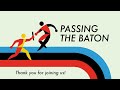
Kenny Betnar’s early sprint disqualified his team—a four-year dream lost in seconds. Moses warned Israel: passing faith’s baton requires precision (Deuteronomy 6:6-7). Drop the交接棒 between generations, and legacy falters. The Simons’ cancer-battle testimony proved this: children see Jesus when parents live Scripture visibly. [47:15]
God prioritizes generational faithfulness over isolated victories. Your spiritual fluency—thinking in Bible terms—trains heirs to run their leg. Israel’s parents failed this; their children wandered. But intentional homes multiply disciples across centuries.
Your family absorbs your functional creed. Do mealtimes, commutes, and bedtimes drip with Scripture’s language? What habit could you build this week to make God’s words your household’s mother tongue?
“These words that I command you today shall be on your heart. You shall teach them diligently to your children.”
(Deuteronomy 6:6-7, ESV)
Prayer: Thank God for one faith model in your life. Ask Him to make you that model for someone younger.
Challenge: At dinner, share a Bible story that impacted you this week. Ask: “How does this change our choices?”
Moses described Canaan as “flowing with milk and honey”—not luxury but God’s sufficient blessing. The atheist saw this richness in believers’ joy despite pain. Annual Celebration Day’s donuts symbolized it: simple gifts reminding us that fearing God sweetens life’s bitterest cups. [01:03:42]
Obedience unlocks provision, not prosperity. Israel’s land required work—tending vines, milking goats—yet yielded joy. Our “milk and honey” includes peace in turmoil, purpose in confusion, and family forged at baptism pools. These outlast worldly wealth.
You chase promotions, vacations, and accolades. But do you savor Christ’s presence like Yates Donuts after church? What spiritual “sweetness” have you tasted this month that outshines material gains?
“That it may go well with you, and that you may multiply greatly… in a land flowing with milk and honey.”
(Deuteronomy 6:3, ESV)
Prayer: List three “milk and honey” blessings God gave this year. Thank Him specifically for each.
Challenge: Gift someone a treat (coffee, pastry) with a note: “Taste God’s goodness with me today.”
Moses demanded Israel’s saturation in Scripture: “Talk of them… when you lie down” (Deuteronomy 6:7). Fluency means dreaming in Bible—letting God’s words frame decisions like a native tongue. The EF Hutton slogan applied: when God speaks, His children lean in, knowing His voice brings life. [59:26]
Bible fluency resists cultural amnesia. Israel forgot God’s laws and adopted pagan practices; exile followed. But homes marinating in Scripture raise Joshuas who say, “As for me and my house, we will serve the Lord” (Joshua 24:15).
Your phone scrolls through endless opinions. Does Scripture still dominate your mental feed? What verse will you memorize this week to combat the world’s noise?
“You shall bind them as a sign on your hand… write them on the doorposts of your house.”
(Deuteronomy 6:8-9, ESV)
Prayer: Confess where media consumption overshadows Bible study. Ask for renewed hunger for God’s Word.
Challenge: Set a 15-minute timer; read Deuteronomy 6 aloud. Underline every action verb (teach, talk, bind).
Baptism steps forward as a public pledge of allegiance to Jesus, a denouncement of the former life and a confession before a watching world that he is Lord. Christ receives that confession and promises to confess such a people before the Father. Leadership then stands as a gift to help the church remember the gospel when times shift and trials test, modeling what obedience looks like in real life and carrying a sacred call under grace. Thanksgiving follows as a rhythm of worship, because good manners in the kingdom say thank you for what God has done and hope out loud for what he will do.
Deuteronomy 6 then rises to center stage. Moses stands before a second generation, the children of those who died in the wilderness, and hands them the law again like a constitution for a newly delivered people. The Exodus declares that God is ruler and sovereign. The detour to forty years shows that hearing without faith produces wandering. Moses presses a central line into their souls: the fear of the Lord brings the favor of God. This fear is not terror. It is reverence before the One who is omnibenevolent and omnipotent, who proved his love at the cross and his power over every rival.
The baton image carries the burden. Passing the faith is a life’s work done in the transition zone of the home. God never intended parents and grandparents to step over their children on the way to the nations. The Shema calls for listening that intends to obey, not teenage eye rolls that say I know. God’s commands must be taken with seriousness because they are not human opinion. His speech is love, and his word is treasure. When EF Hutton spoke, people listened; when God speaks, his people should perk up even more.
The land flowing with milk and honey frames the blessing that reverent obedience enjoys, but the law also exposes the gap between divine holiness and human inability. Christ fills the gap. His sinless life and atoning death become the great exchange, trading human sin for his righteousness. So the church aims to be fluent in Bible, thinking in chapter and verse about money, marriage, parenting, and work, and to multiply disciples at home first. Grandparenting shows up as ministry, two generations deep, so that a family on mission becomes a living parable of grace in a divided world.
Moses will emphasize something that we, by and large, have lost in our generation, this fear of the lord. But what he wants him to understand and what I want you to understand is that the fear of the lord brings the favor of god. The fear of the lord brings the favor of god. Can you say that with me? The fear of the lord brings the favor of god. Verse number one, now this is the commandment, the statutes, and the rules that the lord, your god, commanded me to teach you that you may do them in the land to which you are going over to possess it
[00:52:06]
(33 seconds)
And how do you know if you're fluent in the language? Well, experts will tell you, you know that you're fluent in that language when you begin to think in that language, dream in that language. What god wants is for us to know his word so much that we would think in that language that when people ask you, what is your opinion on this, on, the way that we relate to possessions or the way that we parent or the way that we approach marriage or the way that we approach work, that the first thing that would come to your mind is, what does the word of God say about that? That when people ask you your opinion that you think in terms of chapter and verse before you think about anything else.
[01:01:12]
(40 seconds)
That your children will reverence the word of God to the same extent you reverence the word of God. Now that should be sobering for many of us when we look at the way that we've prioritized our lives, when we look at the way that we treat God's word, often sentimental that it has some sentimental value, but certainly not as the final word or final authority for all of our decision making. Now there are certain rare examples where god does something special and a child is able to rise above the level of reverence that their mom and dad or grandparents have for the word of god. Maybe some of you have that testimony that your parents didn't reverence the word of god at all, but you do. And praise god for his grace, but that's not normal.
[00:59:45]
(48 seconds)
Well, this is Moses' EF Hutton moment. He is saying to Israel, perk up your ears whenever you hear God's word. And so it is with our children. We should drive home to them that whenever you hear God's word, listen to it. May the word of God in a generation of talking heads in pundits, in a generation where everybody has an opinion and they are not afraid to share it on social media platforms, on YouTube, throughout the world, on cable news, wherever you turn. Everybody has an opinion, and the Internet helps us to think we know just enough to be dangerous. But there is only one who knows the end from the beginning.
[00:58:21]
(45 seconds)
I'm an AI bot trained specifically on the sermon from May 17, 2026. Do you have any questions about it?
Add this chatbot onto your site with the embed code below
<iframe frameborder="0" src="https://pastors.ai/sermonWidget/sermon/passing-baton-woodside" width="100%" height="100%" style="height:100vh;"></iframe>Copy