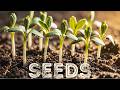
Worship begins by framing resurrection season with the image of scattered seed: a simple, recurring symbol that shapes prayer, offering, and communal life. Generosity receives theological weight as small gifts become weapons against hunger, hurt, and despair when God gathers what people scatter. A seed library and a children’s moment embody practical stewardship: the congregation exchanges actual packets of tomatoes, peas, and flowers as a tangible practice of sharing creation and cultivating hope. Prayer names human soil—hardened, rocky, choked by thorns—and petitions God to soften, deepen, and clear the ground so the word might take root and flourish.
Mark’s parable of the sower anchors the reflection. The narrative emphasizes the sower’s relentless, indiscriminate scattering: seeds fall on path, rock, thorns, and good soil alike, and only God’s mysterious growth produces thirty-, sixty-, and a hundredfold harvests. The account refuses an ethic that blames unfruitfulness solely on hearers; instead it centers the sower’s vocation to sow without neat calculation. Jesus’ preference for persistent sowing models faith that risks waste to honor the possibility of new life in unlikely places.
Personal stories about gardens and roadside flowers sharpen the lesson: God’s life emerges where human planning would not place it—cracks in driveways, margins beyond boundaries. The text challenges a scarcity mindset that hoards gospel seed for the already fertile; it calls instead for reckless generosity toward the skeptical, wounded, and unpromising. This practice trusts God to do the cultivating and harvesting, while people adopt the vocation of scatterers who refuse to measure worthiness before distributing hope.
The congregation receives a closing charge to sow widely—be wasteful with grace, scatter kindness and justice in places that seem barren, and rely on God’s sovereign work to bring the growth. The life that emerges from such risk honors resurrection: small gifts sown in faith become the means by which mercy and new life proliferate across unlikely ground.
Key Takeaways
- 1. God sows without calculation God’s work centers on abundance, not human cost-benefit analysis. The sower’s role models a reckless generosity that refuses to ration grace by outward promise of return. Trusting God’s sovereign cultivation frees action from performance metrics and invites risk on behalf of the unpromising. This ethic dismantles the habit of hoarding spiritual resources for perceived “safe” soil. [46:07]
- 2. Faith multiplies when recklessly scattered The gospel seed increases precisely when shared without tight accounting. Little offerings, words of mercy, and simple acts of justice have disproportionate power once placed in God’s hands. Multiplication requires letting go of control and resisting the temptation to reserve grace for the deserving. The multiplication of faith depends more on scatter than on careful selection. [53:30]
- 3. Different soils need God’s work Human hearts display varied conditions—hardened, shallow, choked with thorns—and spiritual fruit requires inward preparation only God can effect. The call is not to self-accusation but to openness: ask God to soften, deepen, and clear what blocks life. Patience matters; growth often unfolds slowly beneath the surface. Cultivation by God precedes and enables visible harvest. [23:29]
- 4. Share seeds, not evaluative judgments Determining who “deserves” the gospel replaces God’s reckless grace with human control. The text insists on casting seed widely across social and spiritual margins rather than withholding words of life from those who seem unlikely. Such sharing honors the unpredictable dynamics of conversion and transformation. Let action precede verdict; God will bear the fruit. [53:10]
Youtube Chapters
- [00:00] - Welcome
- [08:06] - Connection Cards & Offerings
- [11:13] - Kingdom Like Scattered Seeds
- [14:48] - Children’s Time: Seeds Explained
- [17:38] - Seed Library Demonstration
- [22:52] - Prayer: Soil and Sowing
- [37:49] - Reading: Parable of the Sower
- [45:32] - Interpreting Indiscriminate Sowing
- [53:30] - Call to Be Reckless Sowers
- [54:09] - Closing Prayer and Charge