Today’s reflection centers on the parable of the Pharisee and the tax collector, a story that challenges our assumptions about righteousness, prayer, and God’s mercy. The parable is not simply a critique of religious hypocrisy or a comparison between two types of people; rather, it is a revelation about the heart of God and the radical accessibility of divine mercy. The Pharisee, respected and devout, stands confidently in the temple, listing his virtues and thanking God that he is not like others. The tax collector, despised and aware of his failings, stands at a distance, unable even to lift his eyes, and simply pleads for mercy.
The surprise in Jesus’ teaching is that both the Pharisee and the tax collector can go home justified—not because of their status or achievements, but because God’s mercy is available to all who recognize their need for it. This challenges us, especially those who strive to live faithfully, to remember that our religious observance does not give us exclusive rights to God’s love. God’s acceptance is not earned by our efforts, but received by opening our hearts to grace.
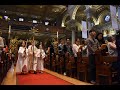
This truth is beautifully embodied in the sacrament of baptism, as witnessed today with the young children brought forward by their families. They come not because they have proven themselves worthy, but because God loves them first—freely and unconditionally. Baptism is a reminder that none of us need to pretend before God; we are called to humility, to acknowledge our need, and to trust in the mercy that makes us new.
As we recall our own baptism, we are invited to return to that foundational moment when God called us beloved. We are encouraged to walk in humility, to recognize that mercy—not pride or self-sufficiency—is the mark of a holy heart. In a world quick to judge and divide, we are called to be witnesses of God’s inclusive love, welcoming all who seek mercy, and trusting that God’s grace is always greater than our failures.
Key Takeaways
- 1. God’s Mercy Is Not Earned, But Received The parable reveals that God’s favor is not a reward for religious achievement or moral superiority. Instead, mercy is given freely to those who recognize their need and ask for it. This challenges us to let go of any sense of entitlement and to approach God with humility and openness. [04:00]
- 2. Humility Opens the Door to Grace The tax collector’s prayer is powerful not because of eloquence or good deeds, but because of honest humility. True strength before God is found in acknowledging our weakness and our dependence on divine mercy. Humility is not self-deprecation, but a courageous acceptance of our need for God. [11:26]
- 3. Religious Practice Is Good, But Not Exclusive Faithful living—prayer, generosity, and moral effort—are good and pleasing to God. Yet, these do not make us the sole recipients of God’s love. The parable warns against spiritual pride and reminds us that God’s embrace is wide enough for all, even those we might consider outsiders or unworthy. [09:13]
- 4. Baptism Is a Gift, Not a Reward The children brought for baptism today remind us that God’s love precedes our achievements. Baptism is not a prize for the worthy, but a gift for the beloved. We are invited to remember our own baptism as a moment of pure grace, when God claimed us as his own, apart from anything we had done. [10:13]
- 5. Mercy, Not Pride, Makes a Heart Holy The path to holiness is not paved with self-justification, but with a willingness to receive and extend mercy. When we remember that we are all in need of grace, we become more compassionate, less judgmental, and more open to the surprising ways God works in the lives of others.
** [11:49]
Youtube Chapters
- [00:00] - Welcome
- [02:21] - The Parable: Pharisee and Tax Collector
- [04:00] - What Does God Require to Hear Our Prayer?
- [05:23] - Understanding the Pharisee and Tax Collector
- [07:07] - Both Go Home Justified
- [08:09] - Applying the Parable to Our Lives
- [09:13] - God’s Mercy for All
- [10:13] - The Meaning of Baptism
- [11:26] - Humility and Openness to God’s Love
- [13:13] - Blessing of the Baptismal Waters
- [15:09] - Invocation of the Holy Spirit
- [16:01] - Renewal of Baptismal Promises
- [17:43] - Baptism of the Children
- [19:59] - Anointing and New Creation
- [21:36] - The Light of Christ and Welcome
- [24:56] - Prayers of the Faithful
- [25:20] - Offering and Mission Sunday
- [32:31] - Preparation of the Gifts
- [34:37] - Eucharistic Prayer
- [39:40] - The Lord’s Prayer and Sign of Peace
- [42:48] - Communion and Reflection
- [53:27] - Announcements
- [55:45] - Final Blessing and Dismissal