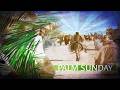
On Palm Sunday a baptism and worship set the tone for a sober reflection on what following Christ truly demands. The narrative contrasts the crowd’s exuberant hosannas—laying cloaks and palm branches before Jesus—with their rapid swing to “crucify him” days later. A cinematic example of an “impostor” who dressed and acted the part of James Bond introduces the danger of mere appearance: people can mimic devotion without inner commitment. The historical scene of Jesus’ triumphal entry anchors the discussion: pilgrims applaud miracles and proclaim a king, yet the same voices fold under pressure, influenced by religious leaders, gossip, and a crowd that ultimately chooses Barabbas, a murderer, over the Prince of Peace.
Scripture and parable sharpen the diagnosis. The parable of the sower exposes faith that springs up quickly on shallow soil and dies under testing; emotional worship proves vulnerable without deep roots. Cultural pressure and shifting public opinion show how easily convictions erode when loyalty costs something. Yet the narrative also points to the cross as purpose: Jesus knowingly rode toward rejection because the road to resurrection required crucifixion. That love becomes the model for faithful endurance.
Practical challenge follows theology. A clear invitation outlines the Romans Road—sin, consequence, Christ’s gift, and the call to confess—and offers a moment to respond. The Lord’s Supper serves as both memorial and mirror: participants must examine their hearts, confess sin, reconcile with others, and remember the sacrificial bridge back to the Father. Communion receives theological grounding in Paul’s words that every observance proclaims the Lord’s death until he returns. Finally, the call to mission and witness presses the community to invite others, stand when culture opposes, and let commitment surpass applause. The week that begins with palms concludes with a renewed summons: test the root of devotion, refuse to let popularity define faith, and follow the path of sacrificial love that leads from cross to empty tomb.
Key Takeaways
- 1. Passionate praise can be shallow Emotional worship does not guarantee depth; exuberant applause can coexist with fragile roots. The parable of the sower warns that faith that rises quickly without depth will wither under testing. True devotion shows itself when circumstances demand costly obedience rather than public approval. [30:10]
- 2. Cultural pressure reveals true convictions Social momentum and slander can shift public opinion and expose where loyalty actually lies. The crowd’s choice of Barabbas over Jesus demonstrates how quickly cultural comfort can trump truth. Commitment to Christ must outlast trending views and partisan popularity. [38:53]
- 3. Genuine faith endures testing Rooted faith resists the scorch of persecution, shame, and personal cost. The seed on rocky soil models those who rejoice at first but fall away when pressure rises; lasting faith forms deep roots through repentance, discipleship, and community. Endurance proves the authenticity of belief. [35:11]
- 4. Communion demands honest self-examination The Lord’s Supper functions as remembrance and accountability—an invitation to confess, forgive, and reconcile before partaking. Paul’s counsel to examine oneself transforms communion into a conscience check, aligning outward ritual with inward reality. Approach the table with clarity about sin, grace, and renewed commitment. [54:01]
Youtube Chapters
- [00:00] - Welcome
- [03:14] - Baptism and a Fresh Start
- [18:59] - Worship, Announcements, and Missions
- [20:44] - The Impostor Example: James Bond Story
- [23:05] - Palm Sunday: Triumphal Entry
- [24:15] - Palm Branches and Hosanna
- [26:29] - From Hosanna to Crucify
- [30:10] - Passion vs. Permanent Devotion
- [34:33] - The Parable of the Sower
- [38:53] - Barabbas Chosen Over Christ
- [44:04] - Examining Your Commitment
- [49:03] - The Romans Road Invitation
- [51:33] - The Lord’s Supper Explained
- [54:01] - Time for Heart Examination
- [1:02:59] - Closing Prayer and Challenge