
Overcoming Laziness: From Self-Destruction to Purpose
Devotional
Sermon Summary
Bible Study Guide
Sermon Clips
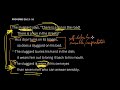
"The sluggard says there's a lion in the road, there's a lion in the streets. What does it mean? It means he loves his laziness so much he doesn't want to go to work today or he doesn't want to walk to the store. He doesn't want to go anywhere or do anything. He just wants to sit in his house, but he knows people will criticize him unless there's a good reason to stay there, and so he creates one: there's a lion outside." [00:01:39]
"Laziness turns the mind, the imagination, into a brilliant creative machine of self-deception. It turns you into a skilled rationalizer. It ruins the mind. The mind is meant to serve your productivity and your usefulness, and he's turning his mind into the creation of an unreality that justifies his lazy laziness. Oh, how the mind does that often." [00:02:11]
"The sluggard is wiser in his own eyes than seven men who are wise, seven men who can answer. So he not only can create alternative realities in his head with imagination to justify his laziness, he actually believes them. He thinks he's wise. I mean, he probably looks at that and says, 'That's pretty clever.' In fact, he might exalt his cleverness in creating such a rationalization that he can actually fool people and maybe even start to believe it." [00:03:00]
"As a door turns on its hinges, so does the sluggard on his bed. A door, as it turns, goes nowhere. It's held there in its turning by hinges. So this sluggard is going nowhere. Turning in bed might be to put your feet on the floor, it might be to help you wake up, it might be to look at the alarm clock, but it's not. It's just like a door going swing, swing, swing, swing, swing, swing, absolutely aimless movement." [00:05:00]
"If he doesn't get out of bed, he won't get his job done. He'll lose his job, he'll lose his money, he'll lose his food, he'll lose everything, he'll die. This is self-destructive behavior. That's what this wisdom is doing for him. It's making him an absolute suicidal, self-destructive fool." [00:06:01]
"The sluggard buries his hand in the dish, so he's got food. He might somehow, somehow got out of bed, right? Unless somebody brought him his food, maybe that's the case. But he's got some, he's got a dish of porridge or beans or meat in front of him, and he can muster just enough strength to put his hand in the dish, and he can't bring it back to his mouth." [00:06:33]
"Inner desires, in this case for ease, comfort, just the warm snuggly bed or the soft chair or the couch and the potato chips and the beer or the pop and the TV, oh, it just feels so good to sit here while the world goes to hell and I am basking. And that love of ease ruins the mind. It creates a machine of self-deception in the head." [00:07:17]
"Christ gave himself for us in our love of ease and our absolute suicidal misuse of our minds. He gave himself for us to redeem, to purchase us from all lawlessness, folly, suicidal craziness, and rebellion, whether laziness or other kinds of sins, and to purify for himself a people of his own possession, zealous for good works." [00:09:01]
"Christ died to kill laziness. Christ died to forgive our sins, to purchase us for himself, to make us his own possession, to make us pure within. And the upshot, he kills, he replaces a passion for doing nothing with a passion, a zeal for deeds that are productive and useful and good and Christ-honoring." [00:09:50]
"The Proverbs for excellent diagnosis in this case, and the gospel is an excellent remedy. Christ died to kill laziness. Christ died to forgive our sins, to purchase us for himself, to make us his own possession, to make us pure within. And the upshot, he kills, he replaces a passion for doing nothing with a passion, a zeal for deeds that are productive and useful and good and Christ-honoring." [00:10:23]
"God would you come and help us, I pray this in Jesus name, Amen. The sluggard says there's a lion in the road, there's a lion in the streets. What does it mean? It means he loves his laziness so much he doesn't want to go to work today or he doesn't want to walk to the store. He doesn't want to go anywhere or do anything." [00:01:33]
"The effect of laziness in verse 16 is that it makes us uncompetitive. Then he is, and he's not at all affected by that. His laziness has made him believe that these kinds of uses of his mind are a great wisdom, so he's become utterly deluded. He has ruined his mind. Think of all the ways that human appetites, whether it's appetite for laziness, that is sitting around doing nothing." [00:03:49]
Ask a question about this sermon
"Laziness turns the mind, the imagination, into a brilliant creative machine of self-deception. It turns you into a skilled rationalizer. It ruins the mind. The mind is meant to serve your productivity and your usefulness, and he's turning his mind into the creation of an unreality that justifies his lazy laziness. Oh, how the mind does that often." [00:02:11]
"The sluggard is wiser in his own eyes than seven men who are wise, seven men who can answer. So he not only can create alternative realities in his head with imagination to justify his laziness, he actually believes them. He thinks he's wise. I mean, he probably looks at that and says, 'That's pretty clever.' In fact, he might exalt his cleverness in creating such a rationalization that he can actually fool people and maybe even start to believe it." [00:03:00]
"As a door turns on its hinges, so does the sluggard on his bed. A door, as it turns, goes nowhere. It's held there in its turning by hinges. So this sluggard is going nowhere. Turning in bed might be to put your feet on the floor, it might be to help you wake up, it might be to look at the alarm clock, but it's not. It's just like a door going swing, swing, swing, swing, swing, swing, absolutely aimless movement." [00:05:00]
"If he doesn't get out of bed, he won't get his job done. He'll lose his job, he'll lose his money, he'll lose his food, he'll lose everything, he'll die. This is self-destructive behavior. That's what this wisdom is doing for him. It's making him an absolute suicidal, self-destructive fool." [00:06:01]
"The sluggard buries his hand in the dish, so he's got food. He might somehow, somehow got out of bed, right? Unless somebody brought him his food, maybe that's the case. But he's got some, he's got a dish of porridge or beans or meat in front of him, and he can muster just enough strength to put his hand in the dish, and he can't bring it back to his mouth." [00:06:33]
"Inner desires, in this case for ease, comfort, just the warm snuggly bed or the soft chair or the couch and the potato chips and the beer or the pop and the TV, oh, it just feels so good to sit here while the world goes to hell and I am basking. And that love of ease ruins the mind. It creates a machine of self-deception in the head." [00:07:17]
"Christ gave himself for us in our love of ease and our absolute suicidal misuse of our minds. He gave himself for us to redeem, to purchase us from all lawlessness, folly, suicidal craziness, and rebellion, whether laziness or other kinds of sins, and to purify for himself a people of his own possession, zealous for good works." [00:09:01]
"Christ died to kill laziness. Christ died to forgive our sins, to purchase us for himself, to make us his own possession, to make us pure within. And the upshot, he kills, he replaces a passion for doing nothing with a passion, a zeal for deeds that are productive and useful and good and Christ-honoring." [00:09:50]
"The Proverbs for excellent diagnosis in this case, and the gospel is an excellent remedy. Christ died to kill laziness. Christ died to forgive our sins, to purchase us for himself, to make us his own possession, to make us pure within. And the upshot, he kills, he replaces a passion for doing nothing with a passion, a zeal for deeds that are productive and useful and good and Christ-honoring." [00:10:23]
"God would you come and help us, I pray this in Jesus name, Amen. The sluggard says there's a lion in the road, there's a lion in the streets. What does it mean? It means he loves his laziness so much he doesn't want to go to work today or he doesn't want to walk to the store. He doesn't want to go anywhere or do anything." [00:01:33]
"The effect of laziness in verse 16 is that it makes us uncompetitive. Then he is, and he's not at all affected by that. His laziness has made him believe that these kinds of uses of his mind are a great wisdom, so he's become utterly deluded. He has ruined his mind. Think of all the ways that human appetites, whether it's appetite for laziness, that is sitting around doing nothing." [00:03:49]
Chatbot

-
I'm an AI bot trained specifically on the sermon from Oct 20, 2018. Do you have any questions about it?