God gives Noah and his sons a fresh start after the flood, but fresh freedom comes with fresh responsibility. Genesis 9 brackets this new beginning with the command to “be fruitful and multiply and fill the earth,” just as God commanded Adam and Eve at creation. Humanity now enters a world that is not Eden. Sin remains in the human heart, death remains in the world, and yet God still intends for human life to flourish.
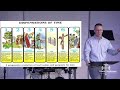
Dispensationalism provides a way to see how God unfolds one plan through different administrations. God does not change, and salvation has always been by grace through faith, but God gives new revelation, new responsibilities, and new tests as history moves forward. Innocence ended in Adam’s disobedience, conscience ended in the corruption that brought the flood, and human government begins as Noah steps onto dry ground. Humanity fails in every age, and God answers human failure with judgment and grace.
God gives animals to humanity for food, while placing the fear of man in the animals as a defense. God also forbids consuming blood because blood represents life. The restriction reminds humanity that even when animal life is taken for food, life still belongs to God. Blood then becomes a major biblical thread, leading from the life of the animal to the atoning blood God provides, and ultimately to the infinitely valuable blood of Christ. Christ gave His life because sinners cannot save themselves, and His shed blood brings forgiveness, righteousness, resurrection, and eternal life to all who believe.
God makes an even sharper distinction between animal life and human life. Human beings bear the image of God, and that image remains after both the fall and the flood. Human worth does not rest on intelligence, health, productivity, age, wealth, race, or whether society considers someone useful. The preborn, elderly, disabled, terminally ill, and guilty all bear God’s image.
Genesis 9 gives human government the responsibility to restrain evil and administer justice against murder. The death penalty is presented as a proportionate punishment for taking a life made in God’s image, not as personal revenge. Government must exercise that authority carefully, justly, and competently because fallible people handle an enormous authority. Grace does not erase temporal consequences, but grace remains available even to the murderer who turns to Christ in faith. God values earthly life, and God values eternal life enough to send His Son so that sinners may be covered by Christ’s blood rather than face the punishment sin deserves.
##
Key Takeaways
- 1. Freedom always carries real responsibility. God’s fresh start for Noah did not mean humanity could live without boundaries. New freedoms came with commands concerning multiplication, food, blood, and justice. Human freedom is never independence from God, because every good gift remains under the authority of the Giver. [17:19]
- 2. Life belongs to God alone. God permits the taking of animal life for food, but the blood restriction keeps humanity from treating life casually. Blood represents life, and life is never a human possession to use however desired. Christ’s blood brings this truth to its fullest point, because His life was given to rescue those who could not rescue themselves. [23:36]
- 3. Every person bears God’s image. Human worth does not rise or fall with usefulness, health, ability, age, or social approval. God’s image establishes the value of the elderly, the preborn, the disabled, the weak, and the guilty alike. A culture that asks whether a life is worth living has already asked the wrong question. [32:46]
- 4. Justice must never become casual vengeance. God gives government authority to punish murder because murder attacks an image bearer of God. That authority does not permit carelessness, cruelty, or delight in anyone’s death. A murderer may rightly face earthly punishment while still receiving complete forgiveness through faith in Christ. [38:44]
- 5. Christ’s blood is the only refuge. Humanity fails every test under every administration because sin runs deeper than external rules can fix. Christ alone bears the judgment sinners deserve and gives eternal life to those who trust Him. God’s grace does not minimize sin; it provides the only sufficient answer to it.
## [40:00]
Youtube Chapters
- [00:00] - Welcome
- [04:23] - Freedom and Responsibility
- [05:59] - Genesis and the New World Order
- [07:55] - Understanding Dispensationalism
- [09:50] - Innocence, Conscience, Failure, and Grace
- [11:46] - The Beginning of Human Government
- [12:53] - One Salvation, Different Administrations
- [17:19] - Be Fruitful and Fill the Earth
- [19:21] - Animals Given for Food
- [23:04] - Blood Represents Life
- [27:30] - Human Life and the Image of God
- [33:37] - Government, Justice, and the Death Penalty
- [38:44] - Grace for the Guilty
- [40:00] - Life Belongs to God