Matthew 6:25–34 frames life as an invitation to trust God's provision rather than surrender to worry. Worry proves useless: it cannot add a single hour to life and only robs present peace, while producing real physical and mental harm—elevated heart rate, insomnia, digestive trouble, weakened immunity, impaired focus, and a greater risk of depression or substance dependence. Philippians 4:6–7 offers an alternative practice—bring requests to God in prayer with thanksgiving so the peace of God will guard heart and mind—turning anxiety into a disciplined habit of dependence.
Jesus points to ordinary creation—the birds and the wildflowers—as visible proof that God cares for what He made. If God clothes grass and flowers that are transient, then God will surely provide for human beings of far greater worth. Remembering status as loved, chosen, and valued before God loosens anxiety and cultivates gratitude; gratitude, in turn, shifts attention away from scarcity narratives and toward the reality of divine care.
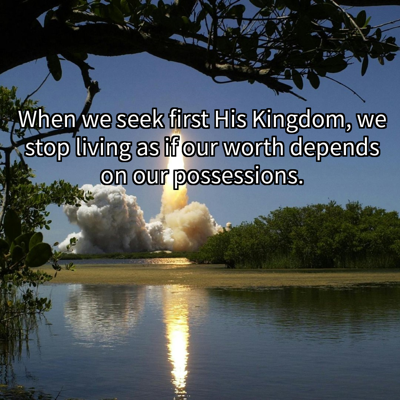
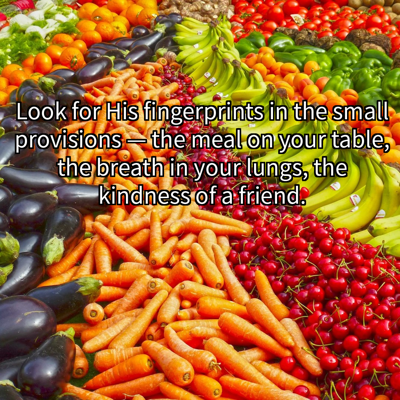
The text draws a clear contrast between those who chase necessities like pagans and those who are called to a different orientation: seek first the kingdom and righteousness, and the necessary things will be given as well. Seeking the kingdom reorders priorities so that worth, security, and joy cease to be tethered to possessions or paycheck. That reorientation produces practical daily rhythms: begin each day with trust, look for God's fingerprints in small provisions—the meal on the table, breath in the lungs, kindness offered by another—and rest in God's faithful provision.
Provision extends beyond personal goods; it includes the network of relationships God places around individuals for encouragement and belonging. Living from God's abundance prompts generosity and hospitality, preparing hearts to receive and give. The present call is to rest in God’s care today; future weeks will extend this theme into how homes and hearts become tables of grace where others find belonging and where generosity flows from what has already been received.
Key Takeaways
- 1. Worry adds no future hours Worry consumes present peace without changing outcomes; it produces tangible harm to body and mind while offering the illusion of control. Replacing worry with directed prayer and thanksgiving redirects energy toward dependence rather than anxious rumination. Prayer with gratitude trains perception to notice provision already given. This practical shift frees attention to steward what exists rather than fret over what might be lost.
- 2. Creation displays God's faithful care The ordinary world—birds and flowers—functions as a visible argument for God’s providence, showing care for transient things. If God tends fragile creation, then human value in God’s sight implies continued care and provision. Reflecting on creation grounds trust in a God actively involved rather than distant or absent. Such reflection reshapes fear into confidence in ongoing sustenance.
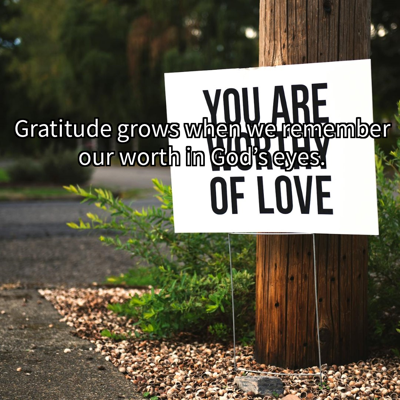
- 3. Gratitude arises from divine worth Gratitude grows not from comparison but from remembering identity as loved and chosen by God. Recognizing intrinsic worth loosens the grip of scarcity mentality and reframes needs within the scope of God’s faithful character. Gratitude becomes a corrective posture that cultivates resilience against anxiety. It invites worshipful awareness of everyday signs of God’s care.
- 4. Seek first the kingdom Prioritizing God’s kingdom reorients desires away from material security toward eternal purposes and righteous living. When kingdom pursuits shape decisions, provision becomes a secondary outcome of faithful alignment rather than a primary obsession. This discipline reshapes vocational, financial, and relational choices toward generosity and trust. Seeking the kingdom daily produces both peace and a life ordered by what truly matters.