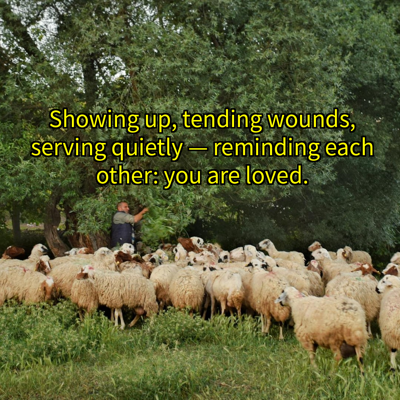
Here is a Bible study guide to get a small group engaged in discussion about the sermon:
**Bible Reading**
Matthew 4:1–11 (ESV)
Then Jesus was led up by the Spirit into the wilderness to be tempted by the devil. And after fasting forty days and forty nights, he was hungry. And the tempter came and said to him, “If you are the Son of God, command these stones to become loaves of bread.” But he answered, “It is written, “‘Man shall not live by bread alone, but by every word that comes from the mouth of God.’”
Then the devil took him to the holy city and set him on the pinnacle of the temple and said to him, “If you are the Son of God, throw yourself down, for it is written, “‘He will command his angels concerning you,’ and “‘On their hands they will bear you up, lest you strike your foot against a stone.’” Jesus said to him, “Again it is written, ‘You shall not put the Lord your God to the test.’”
Again, the devil took him to a very high mountain and showed him all the kingdoms of the world and their glory. And he said to him, “All these I will give you, if you will fall down and worship me.” Then Jesus said to him, “Be gone, Satan! For it is written, “‘You shall worship the Lord your God and him only shall you serve.’” Then the devil left him, and behold, angels came and were ministering to him.
**Observation questions**
- What are the three distinct places where Jesus was tempted by the devil?
- What specific temptation did the devil present to Jesus in each of these locations?
- How did Jesus respond to each of the devil's temptations?
- What happened immediately after the devil left Jesus?
**Interpretation questions**
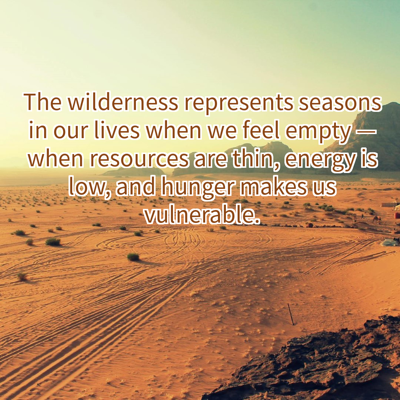
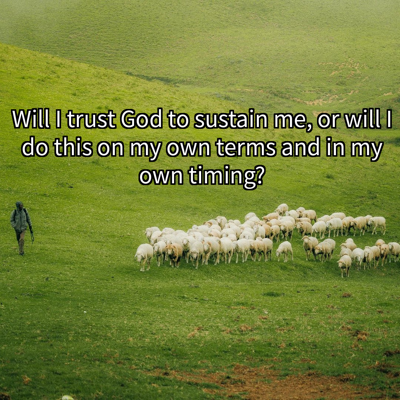
- The sermon suggests that the wilderness represents seasons of emptiness and vulnerability, exposing hungers beyond physical food, such as for approval, security, comfort, or control. What does it mean to trust God to sustain us in these deeper hungers, rather than acting on our own terms?
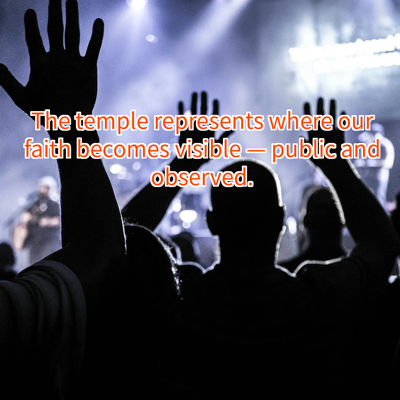
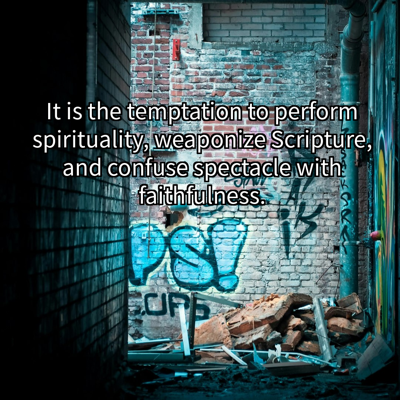
- The temple temptation involved proving identity and performing spirituality. How might one confuse spectacle with true faithfulness in their own life or in the church today?
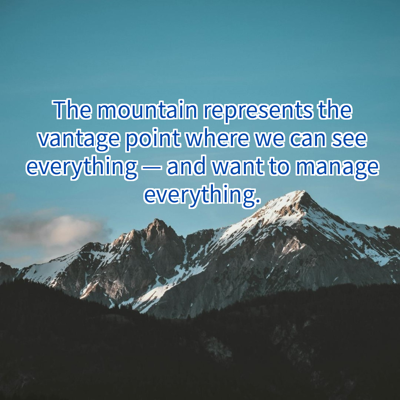
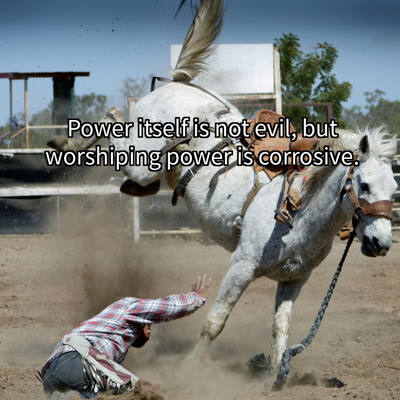
- The high mountain offered worldly power and influence. What does it mean to worship power instead of God, and how might this manifest in daily life or ambition?
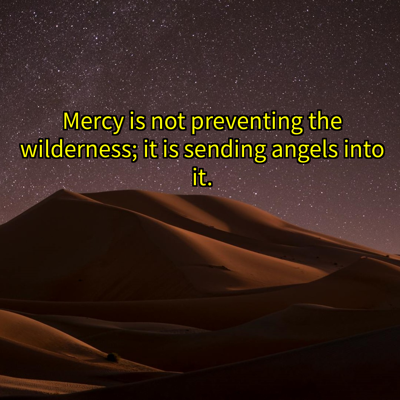
- The sermon highlights that mercy arrives through "ordinary angels" who attend to wounds. What does it mean that mercy is not preventing hardship, but sending angels into it?
**Application questions**
- The wilderness exposes our deepest hungers—not just for food, but for approval, security, comfort, or control. What specific hunger is most exposed in your current "wilderness" season, and how might you practice trusting God for provision in that area this week?
- True identity rests in belovedness that precedes any public act or performance. In what areas of your life do you feel tempted to "perform" your faith or prove your worth to others, and how can you lean into the quiet confidence of being beloved by God instead?
- Worship belongs to God alone, and ambition can be redirected toward stewardship rather than domination. Where might you be tempted to seek control or influence over outcomes or people, and what is one practical step you can take to reorient that ambition toward serving God alone?
- Mercy often arrives through ordinary channels of grace—friends who check in, congregations that pray, meals delivered, or a steady silence. Who has been an "angel" of mercy to you recently, and how might you become an "angel" of care for someone else this week, even in a small, quiet way?
- The closing claim reminds us that the wilderness does not have the last word, public expectation does not define identity, and power does not own destiny. Which of these statements resonates most deeply with you right now, and what does it mean for your journey of renewal in mercy?