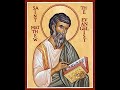
Matthew's Gospel frames Jesus as the promised Savior who fulfills God’s covenantal promises and calls people to repentance. The narrative moves from teaching—Sermon on the Mount, parables, healings—to a decisive journey toward Jerusalem where the Messiah will submit to betrayal, suffering, and resurrection. Religious leaders plot deceitfully to arrest Jesus quietly during the Passover, revealing how pride, fear, and political expedience corrupt those meant to be God’s servants. Scripture exposes deceit as a product of the human heart—covetousness, hypocrisy, and unrighteousness—so repentance remains the foundational response to God’s kingdom.
The Bethany scene highlights three contrasting responses to devotion. Mary pours expensive fragrant oil over Jesus in an act of worshipful gratitude and intimacy, repeating her posture of sitting at Jesus’ feet; that act anoints his body for burial and becomes a lasting memorial. Judas voices indignation, calling the extravagance wasteful while secretly serving his own greed; that critical heart positions betrayal as the next step. Jesus rebukes the critics and affirms Mary’s gift, teaching that extravagant devotion, even when misunderstood, serves God’s redemptive plan.
Historical detail underscores the irony: Caiaphas and the religious elite, who should shepherd the people, scheme to silence the very one who comes to save them. Political calculation and moral blindness collide, demonstrating how human systems oppose divine purposes. The anointing’s fragrance and oil remain symbolically on Jesus through arrest, trial, crucifixion, and resurrection—testimony that devotion offered now participates in God’s eternal work, often beyond immediate understanding.
The text calls for inward examination: lay aside deceit, hypocrisy, and judgmental hearts; choose grateful, humble devotion; and resist reducing others’ worship to personal preference. Devotion costs something—time, resources, reputation—but no sincere act offered to Christ proves wasted. Repentance, faithful presence at Jesus’ feet, and generosity of heart align with the kingdom’s coming and prepare souls for true life and communion with God.
Key Takeaways
- 1. The joy of the Lord strengthens True spiritual strength flows from joy rooted in God's presence, not from circumstances. Joy reorients desires away from self-preservation toward sacrificial love and resilient obedience. When joy becomes the soul’s currency, ministry and suffering both gain purpose and energy. [25:07]
- 2. Repentance exposes deceitful hearts Repentance refuses self-deception and names the inner sources of evil—covetousness, pride, and hypocrisy. Turning from those tendencies restores perception, so truth can reshape actions and communities. Constant repentance protects against being handed over to a debased mind that rationalizes sin. [31:22]
- 3. Stop judging others’ devotion Criticism of another’s worship often reveals personal insecurity, not fidelity to God. Humble love recognizes diverse expressions of faith and guards against becoming an instrument of betrayal by minimizing another’s sacrifice. Let curiosity and compassion replace quick judgment; devotion builds the kingdom in ways that exceed immediate metrics. [60:42]
- 4. Extravagant devotion participates in redemption A costly, unexpected gift to Christ can prophetically anoint and prepare for his death and resurrection beyond human foresight. Simple acts of worship—offered without calculation—enter God’s redemptive story and bear memorial fruit across generations. Keep offering what belongs to the Lord; such offerings matter eternally. [71:02]
Youtube Chapters
- [00:00] - Welcome
- [24:51] - Opening prayer and joy
- [26:34] - Announcements and ministry notes
- [28:12] - Matthew: evangelist and purpose
- [31:22] - Repentance and kingdom readiness
- [33:12] - Jesus' teaching and signs
- [36:55] - Journey to Jerusalem explained
- [40:12] - Passover setup and warning
- [42:09] - Priests plot by deceit
- [53:17] - Mary anoints Jesus in Bethany
- [60:42] - Judas’ critique and bitterness
- [70:26] - Jesus affirms the anointing
- [74:41] - Call to devotion and repentance
- [78:44] - Closing prayer and benediction