God’s love is not a distant, impersonal force, but a particular and intimate affection for those who are His. While God shows kindness and care to all people, Scripture reveals that He sets His love upon His children in a unique way—calling them His own, delighting in them, and committing Himself to their good. This love is not earned, but freely given to those who trust in Christ, making them the objects of His everlasting favor and attention.
To be called a child of God is to be welcomed into a relationship marked by closeness, security, and belonging. Just as a parent’s heart is especially tender toward their own children, so God’s heart is moved with compassion and commitment toward those who belong to Him. This truth should humble us and fill us with gratitude, reminding us that our identity and worth are rooted not in what we do, but in the One who loves us with an unbreakable love.
“‘For you are a people holy to the LORD your God. The LORD your God has chosen you to be a people for his treasured possession, out of all the peoples who are on the face of the earth. It was not because you were more in number than any other people that the LORD set his love on you and chose you, for you were the fewest of all peoples, but it is because the LORD loves you and is keeping the oath that he swore to your fathers…’” (Deuteronomy 7:6-8a, ESV)
Reflection: In what ways do you struggle to believe that God’s love for you is personal and unique? How might your daily life look different if you truly lived as someone treasured by God?
Jesus so closely identifies with His followers that whatever is done to them—good or bad—is done to Him. This profound reality means that our relationships within the church are not just horizontal, but deeply connected to our relationship with Christ Himself. To honor, serve, or care for a fellow believer is to honor, serve, and care for Jesus. Conversely, to ignore, harm, or belittle a brother or sister is to do the same to Christ.
This truth calls us to a radical love and respect for one another, seeing each person in the family of God as someone in whom Christ dwells. The local church becomes a living testimony of Christ’s presence and love when believers treat each other with the same grace, patience, and honor they would show to Jesus Himself. Our love for Christ is made visible in the way we love His people.
“And the King will answer them, ‘Truly, I say to you, as you did it to one of the least of these my brothers, you did it to me.’” (Matthew 25:40, ESV)
Reflection: Who in your church family could you intentionally encourage, serve, or honor this week as an act of love to Christ Himself? What practical step can you take today?
The world is often hostile to God’s children, presenting temptations, opposition, and even persecution. Yet, God’s love is not passive—He fiercely protects His own and promises to bring justice against those who cause them harm. This assurance is not a license for bitterness or retaliation, but a comfort that God sees every injustice and will ultimately vindicate His beloved.
When the world feels overwhelming or when believers face mistreatment, they can rest in the knowledge that God is their defender. He is not indifferent to their suffering, but is deeply invested in their well-being. His promise of justice frees His children from the burden of vengeance, inviting them to trust in His timing and His perfect judgment.
“For thus says the LORD of hosts, ‘He who touches you touches the apple of his eye. Behold, I will shake my hand over them, and they shall become plunder for those who served them. Then you will know that the LORD of hosts has sent me.’” (Zechariah 2:8-9, ESV)
Reflection: Is there a situation where you feel wronged or mistreated? How can you entrust your pain to God’s justice today, rather than seeking your own revenge?
While external challenges and temptations are real, Jesus teaches that the greatest threats to our spiritual health often come from within. God’s love does not excuse our failures, but calls us to honest self-examination and repentance. He invites us to identify and forsake anything—habits, desires, or attitudes—that would hinder our walk with Him.
Personal accountability means recognizing that, even in a world full of stumbling blocks, we are responsible for our own choices. God’s love motivates us not to complacency, but to a radical pursuit of holiness. It is His kindness that leads us to repentance, empowering us to turn away from anything that keeps us from living in the fullness of His love.
“If your right hand causes you to sin, cut it off and throw it away. For it is better that you lose one of your members than that your whole body go into hell.” (Matthew 5:30, ESV)
Reflection: What is one habit, relationship, or pattern of thought that is hindering your intimacy with God? What step can you take today to surrender this to Him?
Understanding the depth and costliness of God’s love should lead us to value it above all else. The Christian life is not about seeing how much we can get away with, but about joyfully surrendering anything that would keep us from deeper fellowship with God. No sacrifice is too great to remain in His love; no cost too high to walk in His presence.
God’s love transforms us from the inside out, compelling us to love others as we have been loved. When we truly grasp the treasure we have in Christ, our priorities shift, and we find joy in forsaking lesser things for the sake of knowing Him more. The call is to pursue God’s love above every earthly comfort, ambition, or possession, trusting that nothing compares to abiding in Him.
“Again, the kingdom of heaven is like treasure hidden in a field, which a man found and covered up. Then in his joy he goes and sells all that he has and buys that field.” (Matthew 13:44, ESV)
Reflection: What is one thing you are tempted to value above your relationship with God? How can you take a step today to treasure His love more deeply?
of the Sermon**
This sermon challenges a common assumption among Christians: that God loves all people in the same way. Drawing from Scripture, it demonstrates that while God has a general love for all humanity, He reserves a special, unique love for His children—those who belong to Him through faith in Christ. This special love is seen in God’s personal identification with His children, His promise of vengeance against those who harm them, and the accountability He expects from them in response to His love. The sermon urges believers to reflect on their own relationship with God and with fellow Christians, emphasizing that how we treat other believers is how we treat Christ Himself. It concludes by calling us to recognize the depth of God’s love and to respond by living lives marked by humility, sacrificial love, and a willingness to forsake anything that would hinder our walk with Him.
**K
God does not love all people the same way. He has a special love, a special value, for those who belong to Jesus Christ—a love that is not given to all people. His children are loved in a unique way.
The way you treat fellow Christians is the way you treat Christ Himself. If you welcome and honor His children, you welcome and honor Him. If you mistreat them, you mistreat Him. God takes it very personally.
If you separate yourself from other Christians, you separate yourself from Christ, because He identifies with His children. How you treat your church family reveals how you treat the Lord Jesus Christ.
Christians are not focused on what they can do, but on how their actions impact others. True love for fellow believers means giving up personal freedoms for their sake, caring deeply about their spiritual well-being.
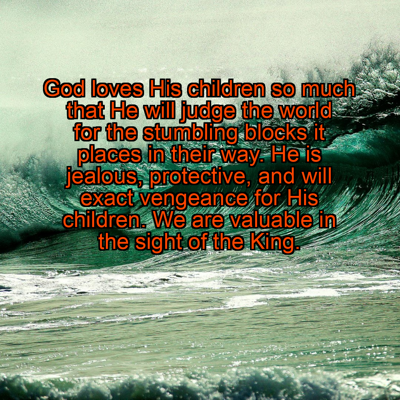
God loves His children so much that He will judge the world for the stumbling blocks it places in their way. He is jealous, protective, and will exact vengeance for His children. We are valuable in the sight of the King.

The greatest stumbling blocks to our faith are not out there in the world, but within ourselves. My own desires, actions, and choices are my biggest obstacles. True response to God’s love is to die to self and live for Christ.

God’s love for His children is so real and permanent that we cannot fall out of it. This motivates us to accept accountability for our own stumbling, rather than blaming others or our circumstances.
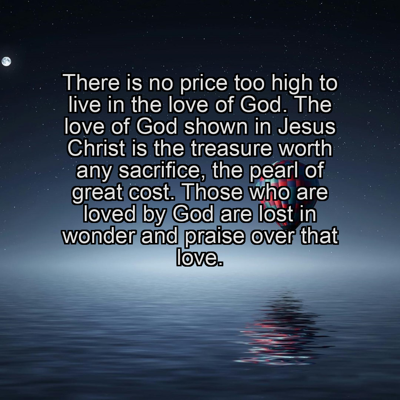
There is no price too high to live in the love of God. The love of God shown in Jesus Christ is the treasure worth any sacrifice, the pearl of great cost. Those who are loved by God are lost in wonder and praise over that love.
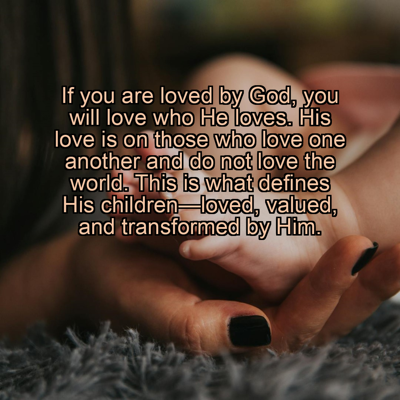
If you are loved by God, you will love who He loves. His love is on those who love one another and do not love the world. This is what defines His children—loved, valued, and transformed by Him.
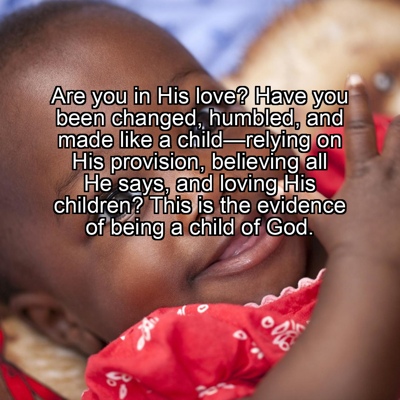
Are you in His love? Have you been changed, humbled, and made like a child—relying on His provision, believing all He says, and loving His children? This is the evidence of being a child of God.
Add this chatbot onto your site with the embed code below
<iframe frameborder="0" src="https://pastors.ai/sermonWidget/sermon/matthew-18-5-9-manuscript" width="100%" height="100%" style="height:100vh;"></iframe>Copy