Jul 12, 2026
David was a warrior king. His place was with his men on the battlefield. But one spring, he sent Joab and the army to fight the Ammonites. David himself stayed behind in Jerusalem. He neglected his God-given responsibility. This was not a small oversight. It was a significant step away from his calling. He stopped showing up where God had called him to be.
Spiritual decline often begins with neglecting the things we know we should do. David stopped going to battle. He started to drift. Pride likely set in after so much success. He became too comfortable in the palace. God calls leaders to faithfulness, not comfort. When we neglect our posts, we open a door for the enemy.
Many of us have posts God has given us. It might be your marriage, your children, or your integrity at work. Perhaps you have neglected your time with God. Prayer becomes occasional. Scripture becomes an afterthought. Faithfully fulfill the responsibilities God has entrusted to you. Where have you stopped showing up for what God has called you to do?
"In the spring of the year, when kings normally go out to war, David sent Joab and the Israelite army to fight the Ammonites. They destroyed the Ammonite army and laid siege to the city of Rabbah. However, David stayed behind in Jerusalem."
(2 Samuel 11:1, NLT)
Prayer: Ask God to reveal any responsibility you have neglected and for strength to return to your post.
Challenge: Identify one God-given responsibility you have avoided and take one concrete step to fulfill it today.
Late one afternoon, David got out of bed. He was walking on the roof of his palace. As he looked out, he noticed Bathsheba, a woman of unusual beauty, bathing. David saw her. Instead of turning away, he gazed upon her. He did not take his thought captive. He entertained it. Then he inquired about her. He sent someone to find out who she was.
Sin rarely appears all at once. It grows through unchecked desires. David was alone on the rooftop. Isolation often becomes the breeding ground for temptation. That first look was not the sin. The lingering gaze was. The thought became a playground for the enemy. What he entertained became what he pursued.
You will see beautiful people in this world. A quick admiration is not wrong. The moment you start to linger, you get into trouble. Lust starts to take over. Do not even entertain the thought. Take every thought captive to make it obedient to Christ. What thought have you allowed to linger that you need to capture today?
"Late one afternoon, after his midday rest, David got out of bed and was walking on the roof of the palace. As he looked out over the city, he noticed a woman of unusual beauty taking a bath. He sent someone to find out who she was, and he was told, 'She is Bathsheba, the daughter of Eliam and the wife of Uriah the Hittite.'"
(2 Samuel 11:2-3, NLT)
Prayer: Ask the Holy Spirit to alert you the moment your gaze begins to linger on temptation.
Challenge: Write down one area where you are tempted to linger and commit to looking away immediately today.
David learned Bathsheba was married. Yet he sent messengers to get her. He used his royal authority to bring her to the palace. He slept with her. His position enabled him to act without immediate challenge. David abused his power as king to satisfy his own personal desires. He had no one to stop him. His accountability people were at the battle.
Power without accountability is very dangerous. A king held immense authority. Bathsheba would have found it difficult to refuse his command. The prophet Nathan later confronted David, not Bathsheba. God held David responsible because he held the power. Leadership is a gift that becomes dangerous when leaders stop allowing correction.
You do not have to let everyone speak into your life. But you must give a select few the authority to speak truth. Surround yourself with people who will call you out. If you do not, you will find yourself in a place you never intended to be. Who has permission to speak hard truth into your life without you getting defensive?
"Then David sent messengers to get her; and when she came to the palace, he slept with her. Then she returned home."
(2 Samuel 11:4, NLT)
Prayer: Confess any area where you have isolated yourself from godly accountability.
Challenge: Call or text one trusted person and give them permission to ask you a hard question this week.
Bathsheba sent David a message saying she was pregnant. David attempted deception to cover his sin. He summoned Uriah from the battle. He told him to go home and relax. But Uriah, a man of integrity, refused to go home while his comrades were at war. David even got him drunk. When that failed, David wrote a letter to Joab. He instructed Joab to put Uriah on the front lines to be killed.
Sin always tries to cover itself. One sin often leads to many more. Covering sin is more destructive than confessing it. David would have been far better off confessing his sin after one night. He spent months trying to conceal it. Confession is painful for a moment. Concealment is painful for a lifetime. Hidden sin does not stay hidden; it grows.
The enemy whispers, "Hide it." God says, "Bring it into the light." You may have things you are trying to manage on your own. You arrange circumstances to conceal your failure. Stop the cycle. Bring your sin into the light before it demands a heavier price. What failure are you currently trying to manage or cover up on your own?
"So the next morning David wrote a letter to Joab and gave it to Uriah to deliver. The letter instructed Joab, 'Station Uriah on the front lines where the battle is fiercest. Then pull back so that he will be killed.'"
(2 Samuel 11:14-15, NLT)
Prayer: Ask God for the courage to stop arranging a cover-up and to confess what needs to be brought into the light.
Challenge: Take five minutes today to honestly write down one thing you have been hiding, as a first step toward confession.
The nation did not know. David’s servants could not stop it. Uriah never discovered the truth. But the Lord was displeased with what David had done. God saw everything. The longer we cover our sin, the heavier it becomes. God is not asking you to hide your failures from Him. He is inviting you to bring them to Him. His grace is greater than your greatest sin.
David’s story shows that no one is above temptation. A giant killer can become an adulterer. A man after God’s own heart can make devastating choices. But this story is ultimately about our need for a perfect King. David could not defeat sin. He could not save himself. That is why God sent Jesus. Your worst failure does not have to be the final word.
You may carry guilt and shame, wondering if God could ever forgive you. The very thing you are trying to keep hidden may be the thing God wants to heal today. Hear this: If God could restore David, He can restore you. Forgiveness begins the moment we stop running from God and start running to Him. Will you bring your hidden thing to the God who sees and loves you still?
"But the thing David had done displeased the Lord."
(2 Samuel 11:27b, NLT)
Prayer: Thank God that He sees everything and still offers forgiveness and restoration through Christ.
Challenge: Read 1 John 1:9 aloud as a personal declaration of God’s promise to forgive and cleanse.
David’s story in 2 Samuel 11 unfolds as a sequence of moral collapse that begins with neglect and ends with deception, murder, and divine displeasure. He stayed behind in Jerusalem instead of going to war, and that absence from his God-given responsibilities created the space where temptation could take root. Isolation on the palace roof, prolonged gazing at Bathsheba, and failing to take thoughts captive moved desire from imagination into action. Inquiry and use of royal authority followed: David sent for Bathsheba, slept with her despite her marriage, and then faced the consequence of a pregnancy.
Attempts to conceal wrongdoing escalated the sin. David first tried manipulation—calling Uriah home, getting him drunk, and arranging gifts—but when those tactics failed he wrote orders that placed Uriah at the fiercest point of battle so that he would be killed. Each act of concealment compounded the original sin into murder and public scandal. The narrative stresses that small compromises and ignored convictions harden a heart over time; what begins as an occasional neglect of discipline becomes habitual drift.
Power without accountability emerges as a decisive factor. The king’s status removed ordinary barriers and made refusal dangerous for Bathsheba, while David lacked those who would challenge him in the moment. The sermon emphasizes guardrails—practical boundaries for eyes, time, relationships, finances, and digital life—as wisdom rather than weakness. It urges proactive measures long before temptation appears, not reactive fixes at the edge of danger.
Spiritual diagnosis concludes that hidden sin grows and that concealment multiplies harm; confession brings mercy. God saw what others did not, and divine displeasure contrasts with the availability of grace. The fall of a great man serves as both warning and hope: no one is beyond temptation, and leadership amplifies accountability. Yet the narrative also points ahead to confrontation, repentance, and restoration—God’s willingness to confront and redeem. The story insists that the cross and resurrection are the final answer to human failure: no failure need remain final where confession and turning to Christ occur.
Spiritual decline often begins with neglecting the things we know we should do.
Before we stop following God, we often stop meeting with Him.
The greatest dangers to our faith are often not the big decisions we make, but the small disciplines we stop practicing.
Don’t even entertain the thought; it becomes a playground for the enemy.
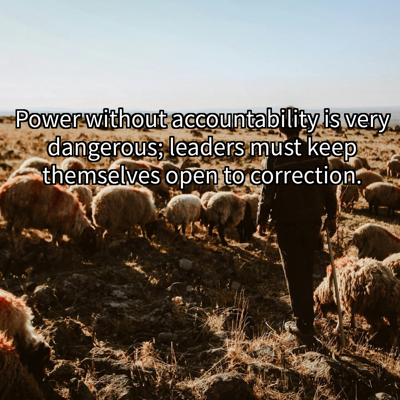
Power without accountability is very dangerous; leaders must keep themselves open to correction.

Guardrails aren't a sign of weakness; they're a sign of wisdom.
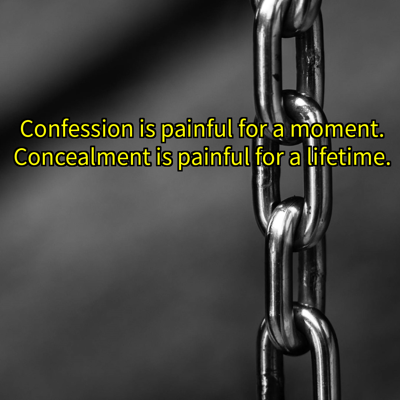
Confession is painful for a moment. Concealment is painful for a lifetime.

God exposes what we hide; the longer we cover our sin, the heavier it becomes.

God's grace is greater than your greatest sin; your worst failure doesn't have to be the final word.

Forgiveness begins the moment we stop running from God and start running to Him.
Hi, I'm an AI assistant for the pastor that gave this sermon. What would you like to make from it?
Add this chatbot onto your site with the embed code below
<iframe frameborder="0" src="https://pastors.ai/sermonWidget/sermon/making-king-david-fall" width="100%" height="100%" style="height:100vh;"></iframe>Copy