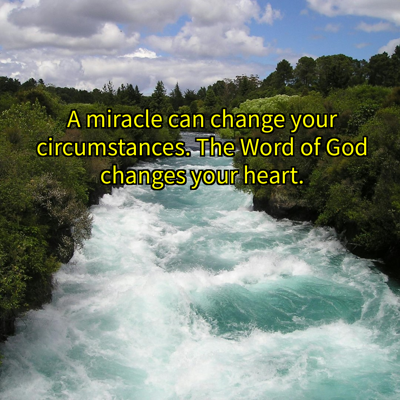
Jesus departs Nazareth after a violent rejection and moves to Capernaum, where a steady pattern of Sabbath teaching begins to shape his ministry. Regular, Scripture-centered instruction takes precedence over spectacle; miracles draw attention, but the Word aims to change hearts for eternity. Teaching with unmatched authority, the living Word interprets the written Law, cutting through layers of tradition and leaving listeners astonished because the Author himself speaks.
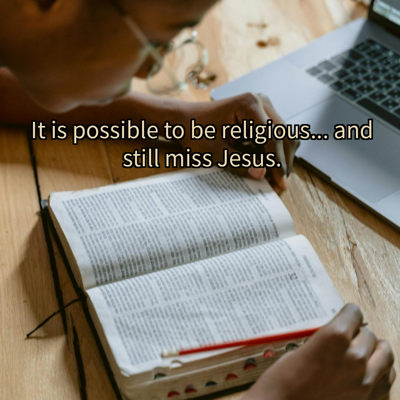
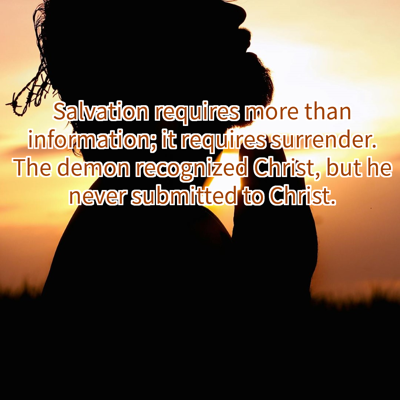
In the synagogue a man possessed by an unclean spirit interrupts the service, exposing the limits of religion and ritual. Surrounded by prayers, Scripture, and ceremony, the man remains bound—proving that outward religion cannot replace inner transformation. The demon correctly names Jesus as “the Holy One of God,” demonstrating that theological knowledge alone does not equal submission or salvation. Salvation requires surrender, not mere information.
Luke pulls back the curtain on three enemies believers face: the world, the flesh, and the devil. Satan’s strategy focuses less on producing sin than on keeping people from Christ—by making them busy, indifferent, or entertained enough to avoid repentance. When Jesus rebukes the spirit, a single command—“Be silent, and come out of him”—throws the man to the floor and instantly frees him, underscoring Christ’s sovereign authority over every power in heaven, earth, and hell. The demon cannot destroy the man; the man comes out unharmed—proof that Jesus’ freedom is complete.
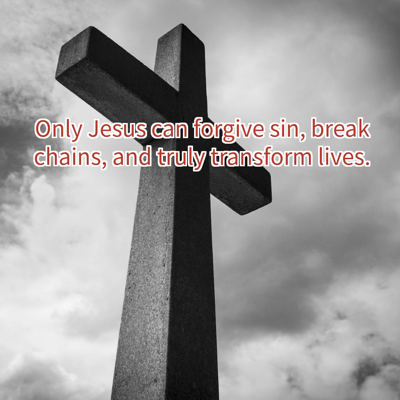
The cross and resurrection confirm that what looks like defeat is victory: Jesus bore sin, satisfied divine justice, crushed the serpent’s head, and rose in triumph. The same authority that commanded a demon still reigns, and transformed lives testify to that reality—alcoholics made sober, marriages restored, prodigals returned, hearts softened. Religious systems and cultural remedies may mask symptoms, but only Christ addresses the root: sin. News of divine power spreads because genuine encounters with Jesus change lives visibly and persistently. The narrative closes with an urgent invitation: whatever chains enslave a person—fear, addiction, shame, guilt—are not stronger than Christ, and when Christ enters a life, everything changes.
Key Takeaways
- 1. Scripture must shape every ministry Consistent, Scripture-centered teaching forms the backbone of faithful ministry. Programs and entertainment can attract attention, but the Word alone reorients hearts toward God’s purposes. When ministry begins with and continually returns to the text, discipleship endures past trends and methods. Love for the written Word fosters hunger for the living Word.
- 2. Knowledge without surrender is empty Accurate facts about Christ do not equal submission; demons confessed truth and remained unredeemed. Salvation involves the will—an act of surrender that trusts and follows, not merely intellectual assent. True faith reshapes behavior, affections, and allegiance. Devotional growth asks for obedience, not just information.
- 3. Sin’s cure is Christ alone Human remedies may cover symptoms—education, success, therapy—but cannot dislodge sin’s root. Only Christ, who forgives and transforms, addresses the heart’s bondage and brings genuine freedom. Expect spiritual renewal to begin with confession and be sustained by daily dependence on him. The depth of change measures the sufficiency of the Savior.
- 4. Christ’s authority silences darkness The kingdom collision in the synagogue shows spiritual power concentrated in Christ’s word, not ritual or show. Authority appears as a simple command that yields instant obedience; spiritual realities submit to the Lord’s voice. Confidence in daily conflict flows from the resurrection that secured the victory. Focus on the Victor, and darkness loses its power.