Jesus walked into the small synagogue in Nazareth. Dusty floors and tired people filled the room. He stood to read from the prophet Isaiah. They handed Him a large scroll. Jesus unrolled it and found the exact passage. He read aloud to everyone. He announced that God's Spirit was upon Him.
Jesus knew the Scriptures intimately. He had studied them since His youth. This moment required preparation. He did not rise to this occasion by accident. His years of learning equipped Him for this declaration. He came to proclaim good news to the poor and freedom for the captives.
Many of us own multiple Bibles yet know little of their content. We have more access to God's Word than any generation in history. But we often neglect the daily discipline of studying it. We want spiritual authority without the prayer closet preparation. What specific area of Scripture have you been avoiding that you know you need to study?
And he came to Nazareth, where he had been brought up: and, as his custom was, he went into the synagogue on the sabbath day, and stood up for to read. And there was delivered unto him the book of the prophet Esaias. And when he had opened the book, he found the place where it was written...
(Luke 4:16-17, KJV)
Prayer: Ask God to give you a fresh hunger to open His Word and study it with diligence.
Challenge: Open a Bible to the book of Isaiah and physically place your hand on the page, reading chapter 61 aloud to yourself.
Jesus went to the synagogue on the Sabbath. Luke notes this was His custom. It was His regular habit. The synagogue in Nazareth was not a perfect place. The preaching was likely poor. The people were ordinary. Some probably smelled like goats. Jesus went anyway to be with God's people.
Jesus did not treat church attendance as optional. He built His life around gathering with others to worship. He engaged with the community even when it was imperfect. He availed Himself of the opportunity to connect with God and others. He knew He needed it.
You might think you can worship God alone on a lake. But Jesus, the Son of God, made corporate worship His custom. If He needed it, we certainly do. We can easily criticize our local church for its flaws while ignoring the resources it provides. When will you next commit to gathering with God's people?
And he came to Nazareth, where he had been brought up: and, as his custom was, he went into the synagogue on the sabbath day, and stood up for to read.
(Luke 4:16, KJV)
Prayer: Confess to God any tendency you have to neglect or criticize the gathering of His church.
Challenge: Text one person from your church today to encourage them before you next meet.
Jesus read from the scroll of Isaiah. He declared He was sent to heal the brokenhearted. He came for people who know they are a mess. He targets those aware of their spiritual bankruptcy. He bypasses the self-righteous and goes straight to those who admit their need.
Jesus still heals broken hearts today. He mends the damage from church hurt, family trauma, and personal failure. Many people sit in services smiling externally while bleeding internally. They carry deep wounds others cannot see. Jesus specializes in healing those hidden injuries.
You may be carrying a private pain you think no one understands. You put on a brave face while feeling shattered inside. Jesus sees that bruise on your heart. He is anointed to bind it up and make you whole. What internal wound are you trying to manage on your own that Jesus wants to heal?
The Spirit of the Lord is upon me, because he hath anointed me to preach the gospel to the poor; he hath sent me to heal the brokenhearted...
(Luke 4:18, KJV)
Prayer: Ask Jesus to touch the specific broken place in your heart that you rarely share with anyone.
Challenge: Write down one sentence naming your deepest hurt, then pray over that paper and tear it up as an act of releasing it to Christ.
Jesus announced He was sent to preach deliverance to the captives. He came to liberate prisoners of war. Humanity is held hostage by sin, a tyranny worse than any prison camp. People smile in public while being bound by addiction, shame, and fear in private.
Sin always promises freedom but produces chains. It disguises the hook and only shows the bait. Pornography promises satisfaction but leaves emptiness. Bitterness promises justified anger but poisons the soul. Jesus did not come to manage your chains. He came to break them completely.
You may have grown accustomed to a particular bondage. You tell yourself it is just how you are wired or that it does not hurt anyone. That is what a slave says when they have stopped fighting for freedom. Jesus is your rescue. What specific chain have you stopped fighting because you've accepted it as normal?
...he hath sent me to heal the brokenhearted, to preach deliverance to the captives...
(Luke 4:18, KJV)
Prayer: Ask God for deliverance from the one sin that most often entangles you and makes you feel captive.
Challenge: Identify one trigger for your most persistent sin and avoid it deliberately for the next 24 hours.
Jesus finished reading from Isaiah. He rolled up the scroll. He handed it back to the attendant. Every eye in the synagogue was fixed on Him. He sat down and spoke. He said today this Scripture is fulfilled in your hearing. He declared that He Himself was the answer.
Jesus demanded a response that day. He did not offer a tomorrow option. The devil's greatest lie is that you have more time. He tempts you to postpone obedience and delay surrender. But later is not promised. Conviction is not condemnation. It is God refusing to let you die in your current condition.
God's Spirit may be pressing on a specific area of your life right now. It could be a relationship, a hidden sin, or a prayerless heart. He is speaking today because He loves you too much to let you continue unchanged. What is one thing you know you need to do today that you have been putting off until tomorrow?
And he closed the book, and he gave it again to the minister, and sat down. And the eyes of all them that were in the synagogue were fastened on him. And he began to say unto them, This day is this scripture fulfilled in your ears.
(Luke 4:20-21, KJV)
Prayer: Thank Jesus for His sacrifice that purchased your freedom and ask for courage to respond to Him today.
Challenge: Before the day ends, obey the first thing the Holy Spirit brings to your mind that you have been delaying.
Memorial Day imagery of white stones and battlefield sacrifice frames a deeper spiritual reality: humanity was born into bondage to sin that no earthly army could break. Jesus enters that warzone, stepping into a Nazareth synagogue to inaugurate a ministry rooted in the preaching of Scripture, empowered by the Spirit, and aimed at releasing captives. Preaching appears as the primary means by which liberation begins—Jesus reads Isaiah, announces the arrival of Jubilee, and declares that God’s anointing brings good news to the poor, healing for the brokenhearted, deliverance for prisoners, sight for the blind, and liberty for the bruised. The narrative stresses disciplined preparation: Jesus’ ministry flows from study, habit, and steady attendance in communal worship, showing that spiritual authority arises from long seasons of formation rather than instant charisma.
The account contrasts political freedom with the fuller freedom Jesus offers—freedom from shame, guilt, addiction, fear, and death itself—made possible by the cross and sealed by the resurrection. Sin functions like a cunning enemy that disguises traps with attractive bait; left unchallenged, bondage becomes normalized and people stop fighting for release. The proclamation of Jubilee signals not mere management of chains but the promise of broken chains being shattered and real reconciliation with God without earning salvation. The passage culminates in an urgent summons: the scriptural claim of fulfillment arrives with a demand for immediate response. Conviction, framed as rescue rather than condemnation, presses for decisive action today because delay plays into the enemy’s lie that there is always more time.
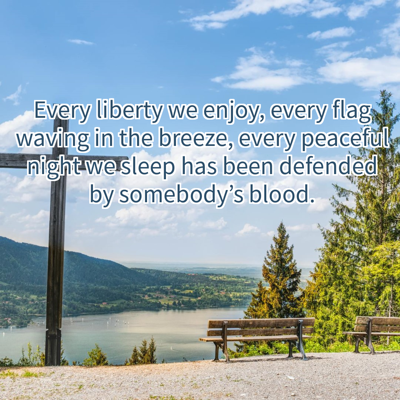
Every liberty we enjoy, every flag waving in the breeze, every peaceful night we sleep has been defended by somebody’s blood.

There is a greater battlefield than Normandy, a greater enemy than terrorism, and a greater freedom than political liberty.
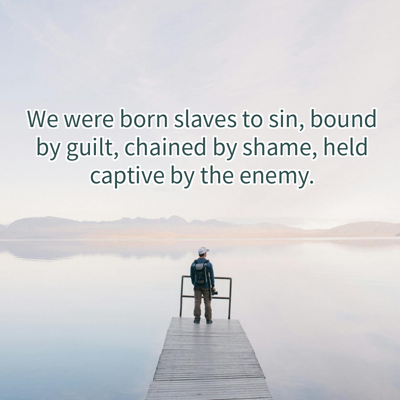
We were born slaves to sin, bound by guilt, chained by shame, held captive by the enemy.
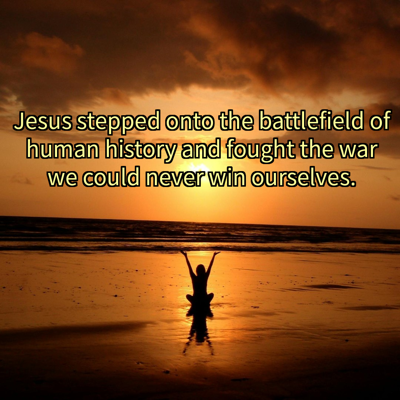
Jesus stepped onto the battlefield of human history and fought the war we could never win ourselves.
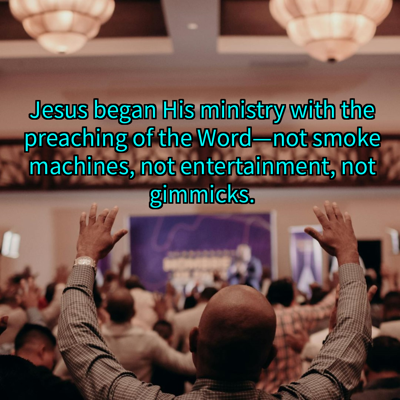
Jesus began His ministry with the preaching of the Word—not smoke machines, not entertainment, not gimmicks.
You cannot grow spiritually apart from the Word of God; faith comes by hearing the Word.
Jesus came for broken people—those who know they don't have it together and who cry out, "I need a Savior.
Sin promises freedom and produces chains; it always takes you farther than you planned to go.
Today demands a decision — not tomorrow, not someday; the greatest lie the devil tells is that you have more time.
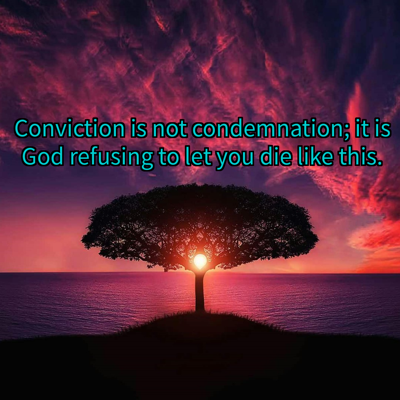
Conviction is not condemnation; it is God refusing to let you die like this.
Hi, I'm an AI assistant for the pastor that gave this sermon. What would you like to make from it?
Add this chatbot onto your site with the embed code below
<iframe frameborder="0" src="https://pastors.ai/sermonWidget/sermon/luke-indiana-jones-bible12" width="100%" height="100%" style="height:100vh;"></iframe>Copy