Jesus often spoke in parables, not to simplify, but to reveal the hearts of His listeners. He sought those who would press beyond the surface, asking for deeper understanding. This approach separated the genuinely curious from those merely passing through. It reminds us that God is looking for sincere seekers, those willing to invest effort in knowing His truth.
Luke 8:9-10
And when his disciples asked him what this parable meant, he said, “To you it has been given to know the secrets of the kingdom of God, but for others they are in parables, so that ‘seeing they may not see, and hearing they may not understand.’” (ESV)
Reflection: When you encounter a difficult or challenging passage in Scripture, what is your typical response? What practical step could you take this week to press into God's word more deeply, seeking His understanding rather than walking away?
The first soil in Jesus' parable describes those who hear God's word, but it never truly penetrates their hearts. Distractions, boredom, or indifference prevent the message from taking root. It's like seed falling on a hard path, easily snatched away. This reminds us that merely being present when the word is spoken is not enough; true reception requires an open, engaged heart.
Luke 8:11-12
“Now the parable is this: The seed is the word of God. The ones along the path are those who have heard. Then the devil comes and takes away the word from their hearts, so that they may not believe and be saved.” (ESV)
Reflection: Reflect on times you've heard God's word but felt it didn't penetrate. What specific distractions or attitudes might be hardening the "path" of your heart, preventing the word from taking root and bringing change?
Jesus described two other soils that fail to produce lasting fruit: the rocky ground and the thorny ground. The rocky ground represents those who receive the word with initial joy but lack deep roots, falling away when trials come. The thorny ground illustrates how the cares, riches, and pleasures of life can choke out the word, preventing it from maturing. Both highlight the danger of a superficial faith or one easily overshadowed by worldly concerns.
Luke 8:13-14
“And the ones on the rock are those who, when they hear the word, receive it with joy. But these have no root; they believe for a while, and in time of testing fall away. And as for what fell among the thorns, these are the ones who hear, but as they go on their way they are choked by the cares and riches and pleasures of life, and their fruit does not mature.” (ESV)
Reflection: Consider your own spiritual journey. Are there any "rocks" (unaddressed areas of testing) or "thorns" (distractions, worries, or pursuits) that might be hindering the deep growth and fruitfulness of God's word in your life?
The good soil represents the heart that truly hears God's word, holds fast to it with honesty and sincerity, and patiently bears fruit. This isn't about instant transformation, but a steady, enduring process where the word sinks deep, causing lasting change. It requires a receptive spirit and a commitment to allow God's truth to shape one's life over time. This is the kind of listener Jesus seeks.
Luke 8:15
“As for that in the good soil, these are the ones who, hearing the word, hold it fast in an honest and good heart, and bear fruit with patience.” (ESV)
Reflection: What does it look like for you to "hold fast" to God's word in an honest and sincere heart this week? What specific fruit of faith are you praying to see mature in your life through patient endurance?
Jesus concludes His teaching with a powerful call: "Take care then how you hear." He illustrates this with the parable of a lamp, reminding us that what we receive should be used, not hidden. Our response to God's word reveals the true condition of our hearts and whether we are truly part of His family. Hearing is not enough; true discipleship means hearing and doing, allowing the word to illuminate our lives and guide our actions.
Luke 8:16-18, 21
“No one after lighting a lamp covers it with a jar or puts it under a bed, but puts it on a stand, so that those who enter may see the light. For nothing is hidden that will not be made manifest, nor is anything secret that will not be known and come to light. Take care then how you hear, for to the one who has, more will be given, and from the one who has not, even what he thinks that he has will be taken away.” ... But he answered them, “My mother and my brothers are those who hear the word of God and do it.” (ESV)
Reflection: When you consider the word of God you have heard, what is one specific area where you sense God inviting you to move from merely hearing to actively "doing"? What practical step can you take today to live out that truth?
Luke 8 presents the sowing parable and its explanation to show that the real issue is not the sower or the seed but the condition of the hearer’s heart. Parables function as filters: Jesus spoke in stories without easy explanation so that those who truly sought understanding would press in and ask, while casual onlookers would remain untouched. The disciples received the “secrets of the kingdom” because they pursued the meaning, illustrating that access to God’s truth follows diligent seeking rather than mere exposure.
The parable of the four soils distinguishes four responses to God’s word. The path hears but allows the message to bounce off, producing no change. The rocky soil receives gladly but lacks roots, so trials uproot that faith. The thorny soil hears but lets cares, riches, and daily pleasures choke growth and prevent mature fruit. The good soil hears, retains, and patiently bears fruit, showing that genuine reception requires an honest, enduring heart and practices that cultivate depth.
A second parable about a lamp under a jar reinforces the imperative to use what has been received. Hearing that does not lead to discernment or obedience leaves the light unused; conversely, seeking understanding produces more clarity, while passive reception risks losing even what one imagines to possess. Finally, family identity is redefined: true kin are not biological relatives but those who hear God’s word and do it. Listening habits, therefore, disclose discipleship: casual attendance, superficial commitment, or distraction demonstrate nonmembership, while attentive hearing combined with obedience marks true belonging. The overall call insists on intentional, persistent engagement with Scripture—pressing into difficult texts, cultivating roots through spiritual disciplines, and allowing the Word to shape life over time.
Jesus tells parables so that people will come to him and ask him what it means.

Jesus was not interested in gathering crowds; he was interested in finding true listeners seeking the kingdom of God.

Parables were told to separate the sincere seeker from the casual hearer.

Too often we are spiritually lazy with the scriptures; we are not interested in learning what the difficult teaching means.

We must press into the scriptures; we must try to find out what it means.
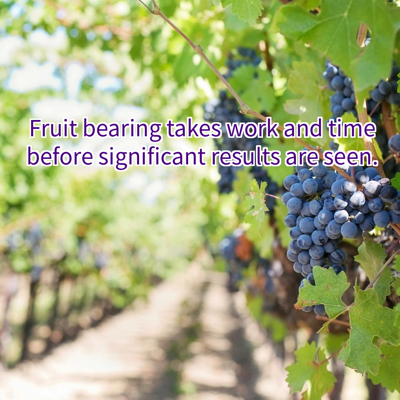
Fruit bearing takes work and time before significant results are seen.

Take care then how you hear; what you do with God's word reveals the condition of your heart.
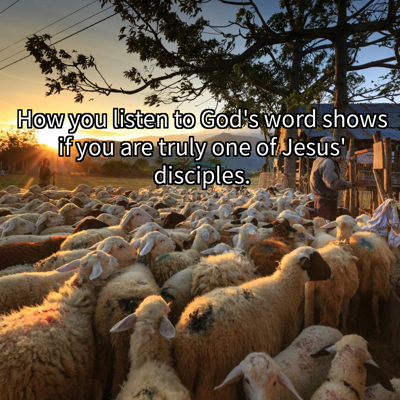
How you listen to God's word shows if you are truly one of Jesus' disciples.
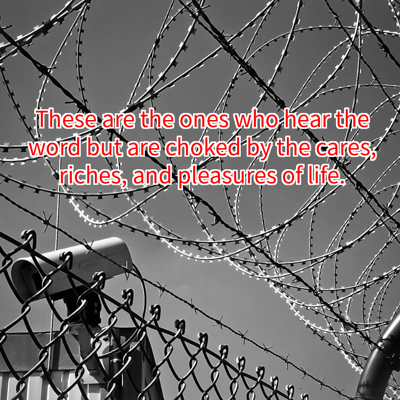
These are the ones who hear the word but are choked by the cares, riches, and pleasures of life.
Hi, I'm an AI assistant for the pastor that gave this sermon. What would you like to make from it?
Add this chatbot onto your site with the embed code below
<iframe frameborder="0" src="https://pastors.ai/sermonWidget/sermon/luke-8-hear-wisely" width="100%" height="100%" style="height:100vh;"></iframe>Copy