John 13 frames a radical claim: Jesus loved the disciples "to the very end" — that love came first and did not depend on performance. Many grew up with conditional affection, learning that approval must be earned, and that pattern too often carries into the life of faith where prayers, behavior, or achievements become mistaken currency for divine favor. John counters that pattern by showing Jesus' settled knowledge of his identity (oida): because Jesus knew where he came from, who sent him, and where he was going, his love did not need validation. That secure identity freed a king to become a servant: Jesus removed his robe, wrapped a towel, and washed feet, modeling a love that bends low and asks, "How can I help you?"
John’s narrative presses further into the scandal of loving the undeserving. Jesus kept Judas at the table, served him, gave him authority, and offered belonging even while knowing Judas would betray him. Proximity rather than distancing becomes the form of persistent love. The text insists that true Christian love looks different from the world’s transactional affections: it serves without pride, offers kindness without preconditions, and pursues restoration rather than quick exclusion.
Practical lessons flow from the scene. Some will misunderstand sacrificial service now and only grasp its meaning later; patience and faithful practice matter. Not everyone will love the same way, yet the washing of feet provides a pattern to imitate — a posture of humble servanthood that the church should embody. Failures will happen: Judas left the table, Peter failed but returned. The choice at failure is decisive — leave the table or stay close. Remaining at the table opens space for restoration and continued shaping.
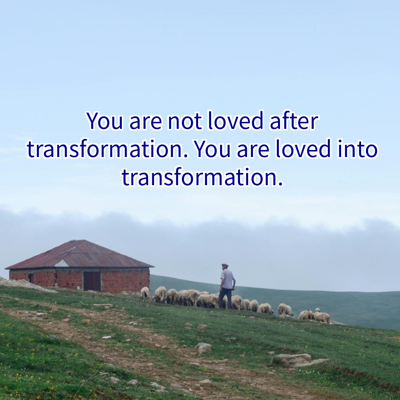
The conclusion issues an invitation: try love again. Love that has no reason, a constant and patient love, remains accessible and contagious. The Gospel presents love as the soil in which transformation grows — loved into transformation rather than loved for having been already transformed. The church and its people are called to mirror that love: give it without tallying merit, serve without seeking status, and remain present when others fall.
Key Takeaways
- 1. Love before earning any approval Love does not wait for perfect deeds to begin; it initiates relationship. When love comes first, it disarms performance-driven insecurity and creates a context where growth happens without fear. Practicing unconditional affection reshapes motives, inviting others to become rather than constantly perform. This reframes spiritual life as reception followed by response, not the other way around.
- 2. Identity frees love from insecurity A settled sense of origin and calling enables generous affection. Knowing who one is in Christ removes the need to demand validation and allows one to give without anxious accounting. Identity-centered love looks outward rather than inward, because it rests on covenant belonging, not fluctuating approval. Cultivating that self-knowledge produces steadier habits of service and mercy.
- 3. Service is the truest form Humility expressed in concrete acts of help reveals love more clearly than words. Kneeling to wash feet exposes the heart’s posture: authority surrendered for care, prestige traded for usefulness. Habitual, small services reshape communities into places of belonging where dignity is preserved. True service names needs and meets them without reputational gain.
- 4. Love stays near the undeserving Proximity, not punishment, can be the instrument of rescue. Loving those who plan harm or stray demonstrates hope in redemption and resists the urge to exile. Presence keeps open the possibility of repentance and restoration; absence often closes that door. Choosing to stay cultivates a ministry that believes people can be brought back.
- 5. Remain at the table after failure Failure need not end the story when one stays put in relationship with Christ. Abandoning the table mirrors Judas’ exit; staying mirrors Peter’s path to restoration. Continual presence invites correction, healing, and the Spirit’s slow work. Persistence in relationship proves the difference between shame-driven flight and grace-driven recovery.