
Living Worthy of God's Transformative Calling
Devotional
Sermon Summary
Bible Study Guide
Sermon Clips
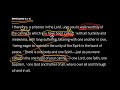
I therefore, Paul says, a prisoner in the Lord, urge you to walk worthily of the calling to which you have been called. And I put these in different colors because I want to spend one session on the yellow and one session on the orange that is, this is the act right, the act of calling God's act. [00:00:09]
Father teach us what the act of your calling is in our lives. This is one of those great doctrinal realities that most people do not know about, and therefore it's difficult for them to walk in a way worthily of it because they don't even think about it or have any idea what they're talking about when they say God called me. [00:02:21]
And you were dead in your trespasses and sins, in which you once walked, so there's dead dead people walking, spiritually dead people walk plenty. But God being rich in mercy because of the great love with which he loved us when we were dead, there's the dead and there's the dead, what did he do? He made us alive together with Christ. [00:03:21]
I'm suggesting here, just for your consideration, I can't prove it yet, I hope I will show it very likely at least, that between walking in deadness and walking as new creatures in Christ, as God's workmanship, this divine act happened. God made us alive and I'm going to suggest that is God's calling. [00:04:29]
When Jesus had said these things, he cried out with a loud voice, Lazarus, come out. That's a call to a dead man. Dead men can't hear, dead men can't obey, dead men can't do anything unless the call creates life. The man who had died came out. There it is, the call of Jesus creates obedience in dead people. [00:05:18]
Jews demand signs, Paul says, Greeks seek wisdom but we preach Christ crucified, and when we preach now this preaching here is a general word right to both Jew and Gentile. They both hear right, they both are listening to this preaching, one is listening skeptically and demanding signs and the others listening skeptically and seeking wisdom. [00:06:37]
To those who are called, both Jews and Greeks, Christ is the power of God and the wisdom of God. Something happens owing to that calling and it's what happened to Lazarus. These folks are dead in trespasses and sins, in their deadness they stumble and they regard Jesus as foolish. Inside the word of this preaching goes a spiritual almighty word from God. [00:08:04]
We know that for those who love God, all things work together for good for those who are called according to his purpose. It is those who are saved or those who are made alive, for those whom he foreknew, chose for himself, he predestined to be conformed to the image of his son in order that he might be the firstborn among many brothers. [00:09:24]
Those whom he predestined, he called, everyone who is predestined for glory is called and everyone who is called, those whom he called he justified, and everyone who is justified he glorified. Those whom he justified he glorified, there are no dropouts here, you go from the foreknown to the predestined to the called to the justified to the glorified. [00:09:57]
The act of calling is God's raising spiritually dead people to life and faith, then I'm going to add a phrase through the gospel, and the fact that the gospel is a preached gospel with words is why I think the word calling is used for this raising of the dead. [00:11:17]
You have been born again that is made alive, this is just another way of talking about Ephesians 2:5. He made us alive, we've been born again, not of perishable seed but of imperishable, through the living and abiding word of God and this word is the gospel, the good news that was preached to you. [00:12:03]
When in verse 1 it says I a prisoner in the Lord urge you to walk worthily of the calling to which you have been called, this is an act of God by which in verse 5 of chapter 2 we were raised from the dead and it happened through the word of God preached in the gospel, which is why it can be called a calling. [00:12:54]
Chatbot

-
I'm an AI bot trained specifically on the sermon from Jul 27, 2021. Do you have any questions about it?