
Living Missionally: Embracing Others with Intentional Love
Sep 23, 2024
Devotional
Sermon Summary
Bible Study Guide
Sermon Clips
1. "Missional living is not you going to Ecuador for three weeks and spending $2,800. That is a short-term missions trip, but we are missionaries where we are at. God calls us to be missional where we were at. If we would begin to see our cities, if we would begin to see our workplace, if we would begin to see life through that lens and through that scope, it would change the trajectory of people's lives in a way that you could have never thought and only imagined." [10:54] (26 seconds) (Download raw clip | Download cropped clip)

2. "Where is God calling you? Let's just be real. Let's start off with the collective. Planning a church in downtown is not cute. Cute is if we planted a church on the west side. Cute is if we planted one in the southwest. Cute is not saying, let me go to a city that looks like the apocalypse already happened. Plan a church downtown in hopes that they revitalize it by opening one more coffee shop. Let me open it in a place where families probably don't want to bring their teenagers to youth in the area. Let me open it in a place where restaurants aren't open on Sundays, but let me open a church in the central part of Bakersfield where people can come from the north, from the east, from the south, from the west." [20:11] (45 seconds) (Download raw clip | Download cropped clip)

3. "Far too long we've been waiting for people to come to the church instead of taking the church to the people. Let me tell you what the true nature of the church is. The true nature of the church is for the saints, not the ain'ts. The church was established for followers of Jesus. But we've validated the church to being the full evangelism pipeline of the world. That the church should be the place that's reaching all sorts of unchurched people. Yes and no. I think the church should be the place where you bring the unchurched person that you led to the Lord to come into this place and grow in a relationship with Jesus." [22:59] (41 seconds) (Download raw clip | Download cropped clip)

4. "Jesus never puts up any red tape to come to him. The only red thing that Jesus ever put up was his blood on the cross. And when he said, come to me, all who are weary, and burdened, and I shall give you rest. May we, the church, us, you, I, collectively, individually, may we be a movement that tears the religious walls down. May we be a movement that tears down the barriers that exist between us and the unchurched. May we breathe a bridge that gaps the spirit of God and a deathly life that he can relay his love and call back into life." [37:17] (43 seconds) (Download raw clip | Download cropped clip)

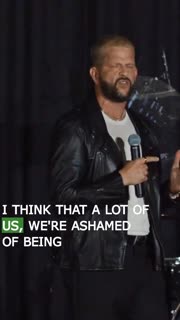
5. "I think that a lot of us, we're ashamed of being Christians. We're afraid. You're ashamed with your friends. So you dumb yourself down every time you get back with the old homies. You got, you feel now like you got to conform to stupidity in order to reach stupidity. Because you're ashamed. You're afraid. Oh, I'm a Christian. Are you? The Bible says that we are to be unashamed. Romans 1 16. I'm ashamed of the gospel message. Why are we ashamed of the very thing that saved our soul from hell?" [32:23] (27 seconds) (Download raw clip | Download cropped clip)
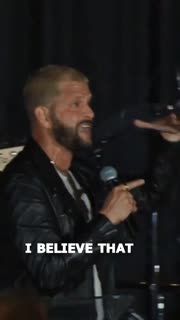
6. "I believe that Jesus wants to move like he's never moved before. But my problem is that we're praying for revival. Revival is when the church awakens and there's three services and you fly somebody from the Midwest and they speak with an accent. I don't know. I'm like, God, do you think that the very people that are praying for revival are actually the people that are the answer to revival? I believe he's saying yes. Because I think revival will happen when we stop praying for it and we start living in it and being it." [39:17] (44 seconds) (Download raw clip | Download cropped clip)

7. "I believe that if you're at the collective, this is your church. You are a believer of Jesus Christ. This is your church. Then you have a mandate and a responsibility. You have a mandate and a responsibility to live out the gospel. You have a mandate and a responsibility to live missionally. Because I believe not through my sermons, not through my altar call, but through your life and your words and your testimony, many will come to know Jesus." [43:12] (24 seconds) (Download raw clip | Download cropped clip)
8. "Missional living is one of our values, and I want you to completely understand what it really means theologically, because it's easy to say, go live missionally, but not practically understand what it means. Yesterday, I said, last week, I said that this text that I read should mean nothing to you if you don't love people. I said, I can't even talk about missional living until you learn about the love that you ought to have for your missional God and people." [17:38] (24 seconds) (Download raw clip | Download cropped clip)

9. "Jesus made the decision to enter into her story. He made the decision. I'm going to get my hands dirty. I'm going to dive into the depth of this woman's story. I'm going to connect my life in this moment to this woman's story. I'm going to connect with her and I'm going to go a little bit deeper. Not only did Jesus enter into her story, but Jesus entered into her pain." [25:45] (18 seconds) (Download raw clip | Download cropped clip)

10. "You have a story. You have a story of deliverance. You've had a test and now you have a testimony. How do I share Jesus with people? How do I read? It's your story. When you make the decision to enter into someone's story for the long haul, for the long game, when you choose to connect yourself to people and do life with them through the thick and through the thin in the hopes that they would come to know Jesus one day, you have a story. And God wants to use your story to introduce his story in order to make a whole story." [28:14] (33 seconds) (Download raw clip | Download cropped clip)

Ask a question about this sermon
2. "Where is God calling you? Let's just be real. Let's start off with the collective. Planning a church in downtown is not cute. Cute is if we planted a church on the west side. Cute is if we planted one in the southwest. Cute is not saying, let me go to a city that looks like the apocalypse already happened. Plan a church downtown in hopes that they revitalize it by opening one more coffee shop. Let me open it in a place where families probably don't want to bring their teenagers to youth in the area. Let me open it in a place where restaurants aren't open on Sundays, but let me open a church in the central part of Bakersfield where people can come from the north, from the east, from the south, from the west." [20:11] (45 seconds) (Download raw clip | Download cropped clip)
3. "Far too long we've been waiting for people to come to the church instead of taking the church to the people. Let me tell you what the true nature of the church is. The true nature of the church is for the saints, not the ain'ts. The church was established for followers of Jesus. But we've validated the church to being the full evangelism pipeline of the world. That the church should be the place that's reaching all sorts of unchurched people. Yes and no. I think the church should be the place where you bring the unchurched person that you led to the Lord to come into this place and grow in a relationship with Jesus." [22:59] (41 seconds) (Download raw clip | Download cropped clip)
4. "Jesus never puts up any red tape to come to him. The only red thing that Jesus ever put up was his blood on the cross. And when he said, come to me, all who are weary, and burdened, and I shall give you rest. May we, the church, us, you, I, collectively, individually, may we be a movement that tears the religious walls down. May we be a movement that tears down the barriers that exist between us and the unchurched. May we breathe a bridge that gaps the spirit of God and a deathly life that he can relay his love and call back into life." [37:17] (43 seconds) (Download raw clip | Download cropped clip)
5. "I think that a lot of us, we're ashamed of being Christians. We're afraid. You're ashamed with your friends. So you dumb yourself down every time you get back with the old homies. You got, you feel now like you got to conform to stupidity in order to reach stupidity. Because you're ashamed. You're afraid. Oh, I'm a Christian. Are you? The Bible says that we are to be unashamed. Romans 1 16. I'm ashamed of the gospel message. Why are we ashamed of the very thing that saved our soul from hell?" [32:23] (27 seconds) (Download raw clip | Download cropped clip)
6. "I believe that Jesus wants to move like he's never moved before. But my problem is that we're praying for revival. Revival is when the church awakens and there's three services and you fly somebody from the Midwest and they speak with an accent. I don't know. I'm like, God, do you think that the very people that are praying for revival are actually the people that are the answer to revival? I believe he's saying yes. Because I think revival will happen when we stop praying for it and we start living in it and being it." [39:17] (44 seconds) (Download raw clip | Download cropped clip)
7. "I believe that if you're at the collective, this is your church. You are a believer of Jesus Christ. This is your church. Then you have a mandate and a responsibility. You have a mandate and a responsibility to live out the gospel. You have a mandate and a responsibility to live missionally. Because I believe not through my sermons, not through my altar call, but through your life and your words and your testimony, many will come to know Jesus." [43:12] (24 seconds) (Download raw clip | Download cropped clip)
8. "Missional living is one of our values, and I want you to completely understand what it really means theologically, because it's easy to say, go live missionally, but not practically understand what it means. Yesterday, I said, last week, I said that this text that I read should mean nothing to you if you don't love people. I said, I can't even talk about missional living until you learn about the love that you ought to have for your missional God and people." [17:38] (24 seconds) (Download raw clip | Download cropped clip)
9. "Jesus made the decision to enter into her story. He made the decision. I'm going to get my hands dirty. I'm going to dive into the depth of this woman's story. I'm going to connect my life in this moment to this woman's story. I'm going to connect with her and I'm going to go a little bit deeper. Not only did Jesus enter into her story, but Jesus entered into her pain." [25:45] (18 seconds) (Download raw clip | Download cropped clip)
10. "You have a story. You have a story of deliverance. You've had a test and now you have a testimony. How do I share Jesus with people? How do I read? It's your story. When you make the decision to enter into someone's story for the long haul, for the long game, when you choose to connect yourself to people and do life with them through the thick and through the thin in the hopes that they would come to know Jesus one day, you have a story. And God wants to use your story to introduce his story in order to make a whole story." [28:14] (33 seconds) (Download raw clip | Download cropped clip)
The Collective Church
This sermon · AI assistant


-
I'm an AI bot trained specifically on the sermon from Sep 23, 2024. Do you have any questions about it?